

 Ronan O'Brien
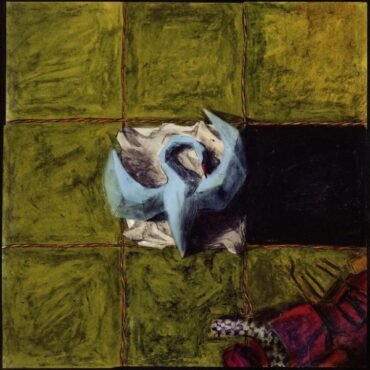
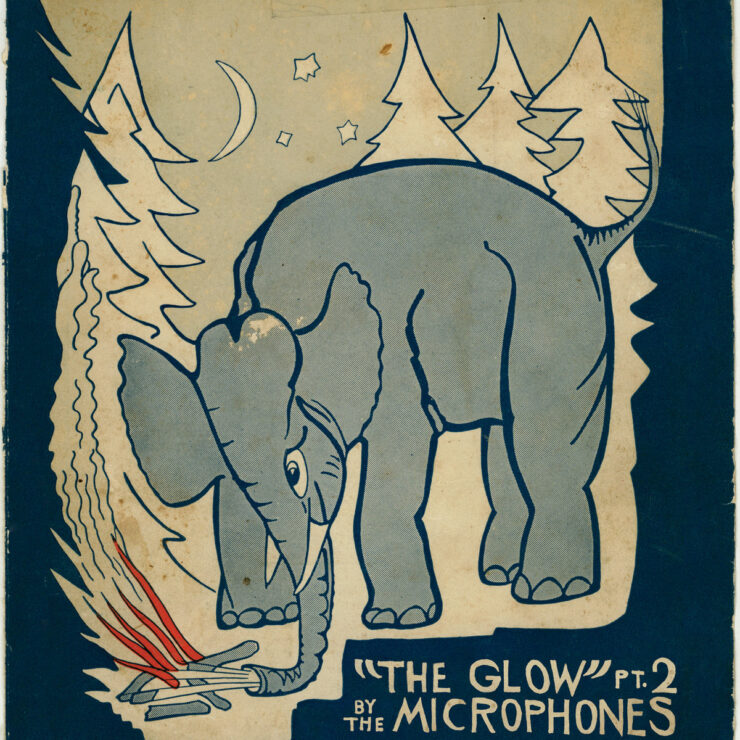
On September 11th, 2001, one of the most tragic events came out of America. That is, of course, the release of the gut-wrenching classic, The Glow Pt. 2 by The Microphones.
Eerie Elverum
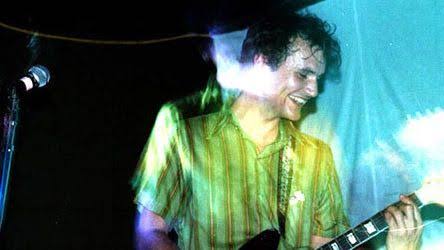
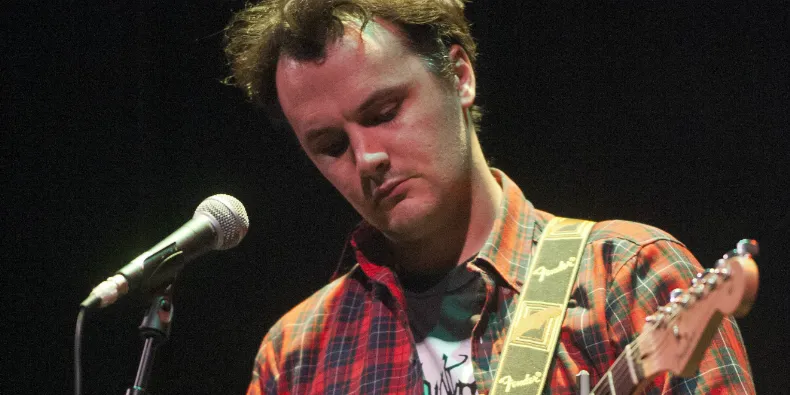
Washington native Phil Elverum started music at a very young age. The multi-instrumentalist lives a life revolved around music, with early experiences of playing in bands and recording music in the storage room of his former workplace after hours. Following a move to Olympia for college, Elverum met K Records owner Calvin Johnson, who facilitated Elverum’s skills for production and engineering in the studio. With Johnson’s support, Elverum released his debut studio album as The Microphones, Don’t Wake Me Up in 1999.
The following year, Elverum released the follow-up It Was Hot, We Stayed in the Water. Lauded by critics, Elverum is credited for creating layers of sound alongside blissful harmonies despite using outdated, analogue equipment. The climax piece on the album features an 11-minute track titled, “The Glow“. This song would serve as the inspiration to build upon in the subsequent album, The Glow Pt. 2.
Continuing to record on analogue equipment, The Glow Pt. 2 features further experimental production as well as influences from countless music genres. From soft indie folk and ambient sounds, to brash noise and metal-inspired instrumentals, the album is truly a journey of the senses. Considered to be The Microphones’ magnum opus, The Glow Pt. 2 is nothing short of definitive and ties together themes of nature, love and loss.
There’s No Ship on My Sea
A lone acoustic guitar breaks through the ambience on the opening track, “I Want Wind To Blow“. Probably the most famous song by The Microphones, Elverum’s soft vocals narrate the weather turning grey. Much like the emotions in his voice, Elverum is feeling pain following a break-up and wanted a storm to come to invoke change. The experimental sounds on the snare drum alongside the introduction of an accordion tone is fantastic. Following this comes the most blissful guitar ever heard, which disappears before exploding throughout the remainder of the track. It’s the work of a divine god, honestly.
Revisiting the classic centrepiece of the last album, the title track rips through the soundscape with abrasive drums and guitar. Elverum enters with his acoustic guitar once again, detailing the heartbreak of a relationship’s demise. Lyrically, he details the pain of continuing to life with these emotions, detailing “I’m not dead / There’s no end / My face is red / My blood flows harshly“. With vocals strained, the emotion is evident to the listener and it’s gut-wrenching. Luckily, the instrumental outro is another fantastic display of skill that the tears stop before they flow.
“The Moon“ opens with another acoustic guitar intro, which is as celestial as the rest. Another erratic change comes when the instrumentals blast in abruptly. Elverum’s vocals are discreet, almost laying behind the music. The drums are loud, the guitars are ceaseless and the horns are truly the pièce de résistance. The lyrics evoke more suffering, as Elverum details the anguish in attempting to move past the demise of his relationship. Seeking clarity from nature, and revisiting the same places he shared fantastic memories in, he looks at the moon of some sort of salvation only to find it staring back at him.
No Crack of Dawn, No Morning
“Headless Horseman“ shows Elverum further sinking into the depression of this relationship ending. With a lone acoustic guitar, his sweet vocals detail the anguish and anger directed at his ex-partner for the way he feels. The iteration of “Oh, what a loss“ is especially noteworthy, as he not only grieves the person he has lost, but the parts of himself he has lost alongside that. Ending with the foghorn sound of a ship, this sound becomes a recurring element of the album.
Another instrumentally bare opening ensues in “My Roots Are Strong and Deep“. Accompanying Elverum’s vocals is his acoustic guitar, soon to be joined by beautiful synth keys, piano and drums. Becoming more introspective with his emotions, Elverum imagines himself as a tree, reaching out for salvation. The yearning for his ex-partner still remains, painfully narrating “My limbs stretch out to meet you / You’ve got me on my knees“. The song features the first thematic metaphors of nature, which is where Elverum’s deliverance will be discovered.
A short instrumental follows in the aptly-titled “Instrumental“. A plucking acoustic guitar gently sways with a delightful melody for much of the track, before the drums and piano are introduced. The piano keys flicker while the drums maintain a deep, sparse beat. It’s an integral display of Phil Elverum’s raw talents.
The ship’s foghorn echoes through the ambient soundscape to introduce “The Mansion“. Elverum rolls through arpeggios on his trusty acoustic guitar, before delivering harrowing metaphors on depression. Opening with the lines “There’s no end, there’s no glory / There’s a slow resounding story“, Elverum depicts his hopelessness as the snare of depression takes hold. There is no glory in these feelings, and no way to escape. Probably best to cut onions if you want to listen to this one.
I Saw Your Future in My Sleep
The quiet and moody instrumental, titled “(Something)“ echoes the melody and chords of a later track on the album, acting almost as an early tribute. The cello-like sounds give it a space-oriented sound, before the foghorn of the distant ship takes over.
The ambient noises and distant foghorn lead into the next instrumental, “(Something) – 1“. The mood turns even darker here, with industrial noises that only seek to build anxiety and tension. It’s cold and it’s metallic and the only respite comes with the reintroduction of that familiar foghorn.
Elverum’s vocals and acoustic guitar picking returns with “I’ll Not Contain You“. Following the instrumental passages, the growth is evident in Elverum, whose lyrics detail the acceptance of his relationship ending. While describing the agony in waking up without that person next to him, or revisiting places they used to frequent, he is tired of being depressed over it. His remedy is reiterated to himself like a mantra; “To get there, to get there / To get there I’ll not contain you“, hoping these feelings will dissipate on their own accord.
The stomping percussion and chords of “The Gleam, Pt. 2“ bounce into form, with interesting layers of steelpans. Accompanying the marching instrumental, Elverum sounds tortured by his thoughts. Despite its brevity, the lyrics appear to indicate his search for meaning. Whether that is true, it’s a haunting track nonetheless.
The foghorn returns before the instrumentally diverse and abrasive, “Map“. The bagpipes in the intro are loud and distorted, almost acting as an overture. Elverum’s vocals are as unsettling, and are harmonised by a further vocal layer. A piano melody provides some respite from the loud noises before the screaming vocals and multiple instrumental layers return. The song is like a journey; an insight into Elverum’s head as he battles his demons.
The Cold River Basin
Deviating from the harsh sounds of the predecessor, Elverum’s sweet vocals return in “You’ll Be in the Air“. The string melodies and duelling guitars provide such a strong backdrop over which Elverum sings about watching his lover disappear from him. Perhaps leaving from his mind, or physically travelling away, Elverum’s beautiful vocals describe the fleeting memories leaving. The belligerent emotions break through in parts, with descriptors linking these feelings to a volcanic eruption (“You’d feel the hot blowing rock filled winds / And the clouds of ash would fill your skies“).
The extreme and loud instrumentals of “I Want to be Cold“ shift the emotions back to pain again. Opening the song are the lyrics “It’s raining on me, I don’t want it to stop“, which point to Elverum being consigned to depression once more. The instrumentals blast through the soundscape, creating an impeccable wall of sound. Again, it ends somewhat abruptly, transitioning back to a light, ambient atmosphere.
“I Am Bored“ opens with unrelenting drums which are soon accompanied by a beautiful repetitive piano melody. The sound naturally turns abrasive again, almost mimicking the volatility in Elverum’s emotions. Lyrically, it simply details the boredom experienced without having a partner to fill that empty gap. There’s a return of the lines “Oh, what a loss“, which again point back to the pieces missing that his partner once fulfilled.
Turning back to a softer approach, “I Felt My Size“ sees Elverum coming to terms with how insignificant he is. While the instrumentals break through the sonic barrier once more, the song maintains a level of softness in the vocals. Lyrically it points to a level of growth and acceptance, as Elverum realises that he is truly unimportant in the grand scheme of things. In his closing words, “But I’m small, I’m not a planet at all / I’m small, I’m small, we’re all“. With that, the familiar foghorn echoes once more.
I Could Have Sworn I Wasn’t Alone
Another break comes in the form of “Instrumental – 2“ which has so many more layers than its counterpart. The ceaseless clicking of the drums are the only constant, and work so fantastically well with the piano and conversational guitars. The outro features some vocals in the form of Elverum humming, creating the perfect atmosphere for the next track.
The bright guitar that opens “I Felt Your Shape“ is another blissful display by Elverum. His soft vocals simply detail the physical and emotional sensations that come with hugging someone. Seems like a fairly boring topic to write about, right? With lines like “I felt the rise and fall of your chest / I felt your fall, your winter snows / Your gusty blow, your lava flow / I felt it all“, it’s much, much deeper than you first realise.
“Samurai Sword“ is probably the heaviest track on the album, pummelling through the mostly soft and gloomy atmosphere throughout. Elverum’s low and raspy vocals, almost in Billy Corgan fashion, create such an unsettling ambience. While the lyrics have been pointing towards recovery in the latter half of the album, Elverum is full of anger and seeks to destroy what he has created. Elverum has built up such a mellow approach so far, that in this penultimate track,“Samurai Phil“ tears that all away.
In the chilling finale, “My Warm Blood“ leads on from the last track. A driving rhythm opens the song, almost serving as the remnants of rage expressed in “Samurai Sword“. Elverum enters softly yet abruptly, abandoning the intensity of the drums and stripping back the instrumental to just the acoustic guitar once again. Our narrative hero, now laying bleeding on the forest floor, can only be comforted by the warmth of his blood. Alone, he lays surrounded by the world he has created, before the heartbeat fades. The long outro features that foghorn once more, with clippings of melodies like the opening track, fading in and out.
Final Thoughts
This album may be slightly odd and off-putting to the casual first listener. But the depth in which Elverum explores loss, depression and the multitude of emotions expressed when lost in one’s own mind is breathtaking. The vocals are plain yet sweet. The lyrics are layered with metaphors. The instrumentals are mind-boggling to put it lightly. All recorded on a 16 track analogue tape. It’s a phenomenal feat.
While the album credits a host of people, the album in its entirety was recorded, performed and produced by Elverum himself. The Glow Pt. 2 was conceived and realised by Elverum, and it can be heard throughout. Alongside that, the recording techniques and sound engineering on this thing is ridiculous. From creating guitar distortion using a cassette deck, to blasting the drums with loud microphone settings and multi-tracking afterwards, it’s incredible.
The Glow Pt. 2 has resurfaced in some fashion in later years, becoming a firm cult classic. The experimental elements, largely influenced by extreme metal as well as Twin Peaks, were beyond its time in a sense. What it has resulted in is an album that is more like an experience. The atmospheric qualities and a strange mix of dark, eerie, haunting elements living alongside ones that are warm, serene and accepting, it’s nothing short of a masterpiece.