

 Ronan O'Brien
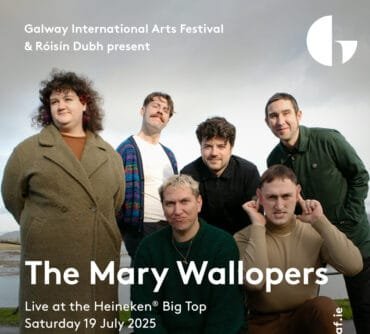
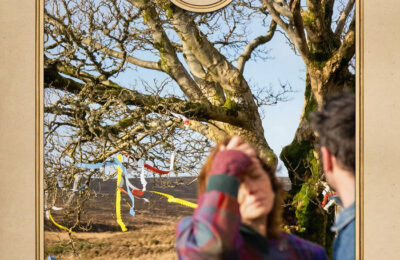
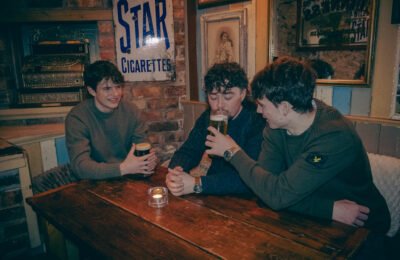
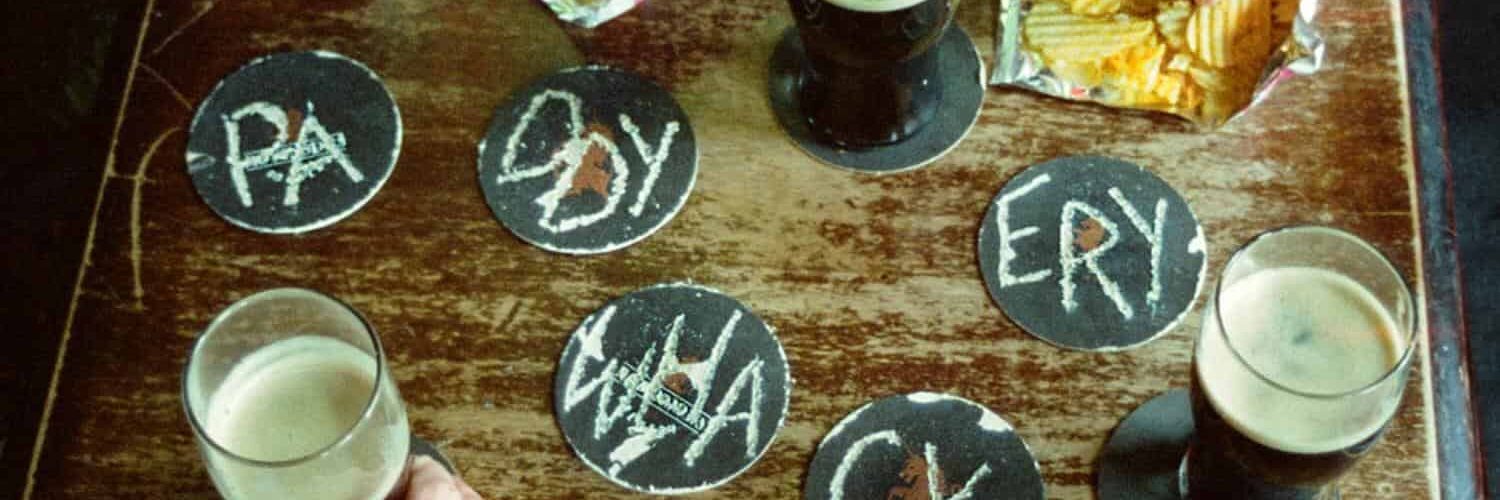
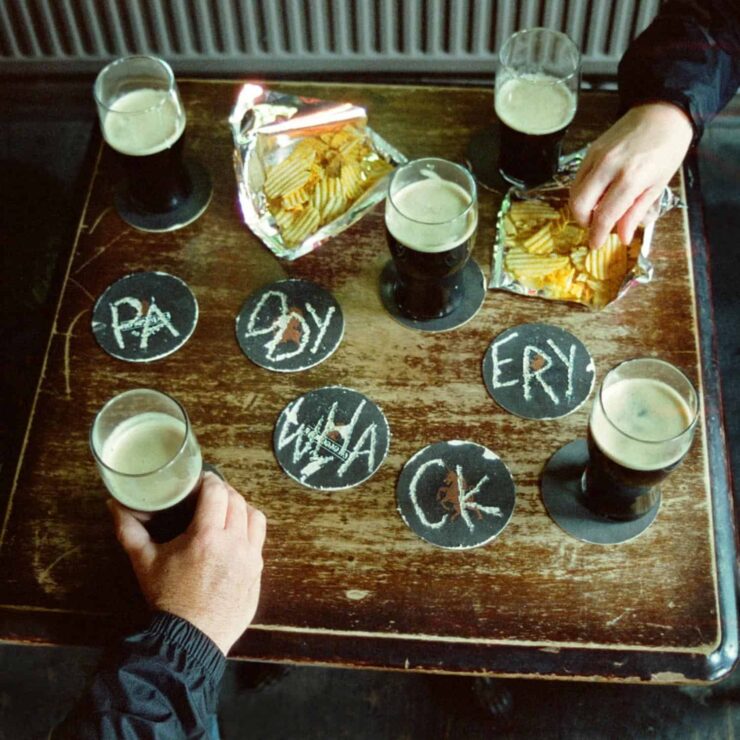
Ireland’s favourite rowdy musicians, The Mary Wallopers, return with more raucous, anti-establishment energy on their third album, Paddywhackery.
The Wallopers
In recent years, it appears The Mary Wallopers are absolutely everywhere, and for good reason. The Hendy brothers and co. first rose to prominence as a comedy rap duo called TPM. Shorthand for “Tax Payers’ Money”, the duo gained viral fame with their debut single “All the Boys on the Dole“ as well as later hits like “Fuck RTÉ“. Had it not been for a burning desire to play Irish traditional music, TPM may have continued on the same trajectory as Kneecap. Lucky for them, The Mary Wallopers have become as big as their Belfast friends on a completely different path.
Beginning as a humble trio, Charles and Andrew Hendy joined forces with fellow Dundalk man Seán McKenna to form the group. Citing the likes of Jinx Lennon and The Pogues as core influences, the lads became known for their live performances which have often been described as Dead Kennedys meets The Clancy Brothers. Added to the ranks came Róisín Barrett, Brendan McInerney, Seamas Hyland and Finnian O’Connor. With this lineup, the band released their self-titled debut album in 2022 to much acclaim.
The band’s follow-up album, Irish Rock N Roll, was released in 2023 to further critical praise. Much like its predecessor, the bawdy and captivating energy of the group shines through. Teeming with traditional covers stamped with their signature style, the album features a rare original in the form of “Gates of Heaven“. A song about the crimes and hypocrisy of the Catholic institution in Ireland, it’s a fantastic and poignant fan favourite.
Following McKenna’s departure in 2025 as well as a new lineup featuring Ken Mooney on drums and Catriona Gribben on accordion, the band have entered a new chapter while still maintaining the unapologetic, unpretentious and unrelenting energy that have become synonymous to them.
The Butcher’s Apron
The drone of uilleann pipes open “Crowns of England“ followed by a relatively upbeat melody. A deeply introspective song about the feelings of alienation many Irish people feel in Britain, the lyrics are absolutely fantastic. “The lads over here don’t sing or dance, they just watch football“ refers to the cultural differences in English pubs. As well as that, Hendy refers to pictures of warmongers like Winston Churchill in these establishments, contrasting Ireland’s favouritism of lauding folk legends like Pecker Dunne. The song is a fantastic showcase of the cultural differences between countries that are so geographically close.
A re-recording of the 2025 single “The Juice“ follows suit, which I have covered previously as a fantastic song. While I personally prefer the previous version, the album variant is much more polished. The uilleann pipes drone incessantly throughout, creating such a cool atmosphere. Full of lyrics about revelling and debauchery, it’s a tribute to those willing to squeeze every bit of joy out of a life full of hardship. Barrett’s bass is bouncing alongside Mooney’s peppy drums, and the uilleann pipe solo is the cherry on top.
A galloping whistle melody accompanies the equally bouncy drums on “Seán na Sagart“ inject more infectious giddiness into the album. A traditional folklore song about an infamous priest hunter during the Penal Laws era, the band stamp their style on this tune in a way they have done so many times before. The dark tale is given a joyous feel by the band and stylistically echoes The Pogues in a delightful way.
Leave Paddy With The Shovel
Another drone of uilleann pipes introduces a further traditional cover in the form of “Smuggling the Tin“. A song popularised by the fantastic Liam Weldon, the song is performed with such poignant delicacy by Andrew Hendy. In terms of instrumentals, the pulse of the bodhrán works brilliantly with the harmonising banjo and uilleann pipes, it’s utterly brilliant. It proves John Sheahan was talking out of his arse calling them “mediocre musicians and singers”. Whisht up John.
An instrumental track follows in the form of “Castlecoe Hill“. This reel which is named after the hill overlooking the Hendys’ home patch acts as a brilliant, noisy break from the ups and downs of the album’s lyricism. The banjo and uilleann pipes once again work in brilliant harmony, engaging in conversation. The accordion and drums operate expertly in the background, allowing the banjo to truly shine with the melody.
“The Big Mixer“ is another song which explores the Irish working on sites in England, as well as the rest of the world. While thematically similar to “Building Up And Tearing England Down“, the lyrics explore the working class struggles that are all too familiar to many. Again, the instrumental is upbeat and peppy, but lines like “Breakin’ your back for the bosses / To put enough food on your plate” echo the power and wealth disparity that has never disappeared.
What Do The Paddys Want?
A common fixture of the band’s setlist is a version of Dick Gaughan’s “Workers Song“. The jangly guitar and passionate vocals of Charles Hendy are brilliant, as is the accordion that drifts in and out of the track. While the themes of working class unity and anti-war sentiments are shared between Gaughan and Hendy, the inclusion of the song on the album appears to be in solidarity with the original artist, who no longer holds the rights to the song.
A rendition of the traditional “Banks of the Roses“, made famous by The Dubliners, injects more raucous energy back into the album. A song whose roots can be traced back to 18th century Limerick, the Mary Wallopers once again stamp their raw, celtic punk style on the track. Much like listening to The Pogues in parts, the drums and tin whistle combination turns this tune into a rowdy, boisterous rendition.
A further original track in “Landlord’s Demise“, which is another fantastic commentary piece on working class struggle, points the middle finger at landowners in Ireland. A lone bodhrán accompanied by intermittent whistle is all Andrew Hendy needs to get his point across. With much of the lyrics influenced by Tom Barry’s autobiography, it applies a modern commentary for the universal disdain for landlords. It cleverly observes that the landlord ruling class remains unchanged, noting “This song it is an ancient one, I wish that I could say / But greedy little landlords never really went away“.
No Room Left In Heaven
“Kit Kat Club“ opens with an electric guitar melody incredibly similar to that of “The Juice“. Another song stacked with traditional instruments fused with modern rock examples, its lyrics explore a riotous night in Berlin’s underworld. The song acts as a serious detour from the profound themes expressed throughout a large part of the album. With references to taking drugs and pissing off Americans, it’s a great little tune that’s completely unserious.
The album finishes with a rendition of the traditional Glaswegian-Irish tune, “The Mickey Dam“. A song about the rowdy Irish working men in Glasgow along the reservoir, it’s a rollicking humorous piece that pays homage to the harsh conditions these men had to endure. The drums, guitar and drone of uilleann pipes fill the song with such character, while Andrew Hendy’s vocals remain solemn. It’s an interesting choice of song to finish the album on, but judging from previous releases, the band always go a bit unorthodox with their closers.
Final Thoughts
I don’t think there was any surprises when I listened to this album first, but let me preface that by saying it’s not a bad thing in the slightest. In a way, you know what you’re getting with The Mary Wallopers. That is traditional covers, some original pieces and an energy of pure divilment. What makes Paddywhackery a little different from the rest is the focus on more original songs than traditional covers.
Thematically, it’s more of the same. Pints, rebellion and a profound sense of Irishness, but this time more sprinklings of working-class unity and strife. While there are plenty of instances about drinking and fighting, tracks like “Landlord’s Demise“ and “Crowns of England“ are songs which resonate a lot more to the modern Irish. It feels as though the band have made more of an effort to engage in political commentary in their original songs and given what they stand for, I’m absolutely a fan.
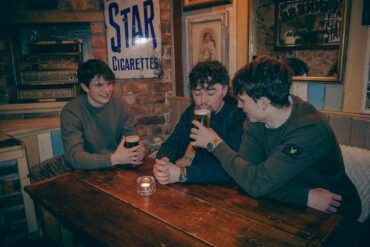
The run-up to this album was absolutely brilliant, I may add. A series of intimate gigs in locations that the band reveal the same day? Genius. The Mary Wallopers are a group that seek to engage Irish people with traditional music once again and make it cool. No lilting, no diddly-eye-doh bullshit that you hear from the likes of Kingfishr. Just pure Irish pride, and I can’t get enough of it.