

 Richard Bodin
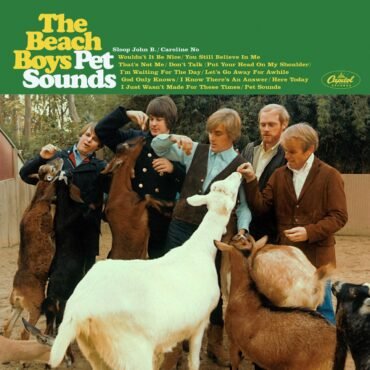
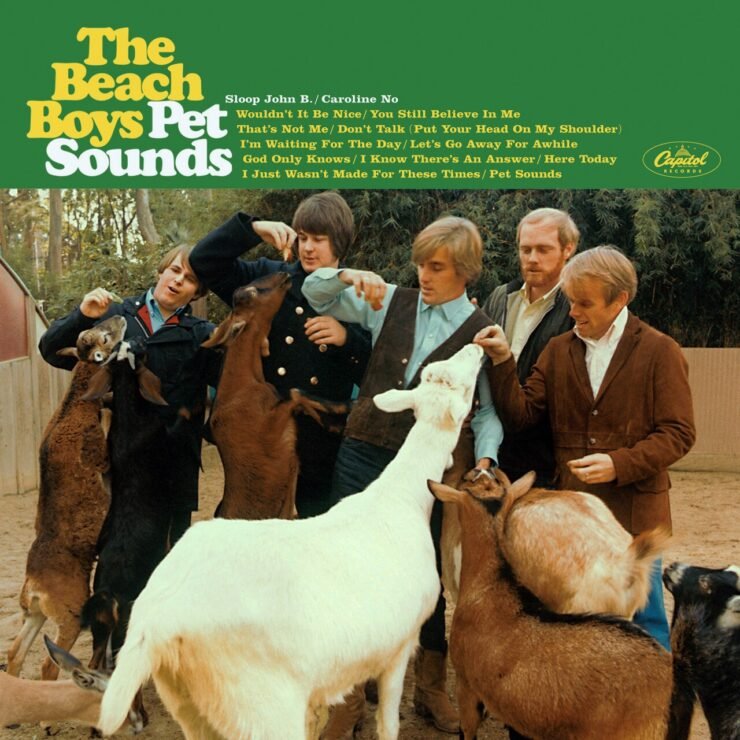
When Rolling Stone Magazine does a Top 500 of something, it always causes a lot of debates. I mean, in what world are David Gilmour only ranked #28, Clapton #35 and Rory Gallagher #175 ad the greatest guitarists of all time? And how can John Lennon be a better singer than Marvin Gaye? Even in the Greatest Albums of all time, there is surely room for some debate, but when it comes to Pet Sounds by The Beach Boys being the second greatest album of all time —only topped by Marvin Gaye’s What’s Going On— they are damn right!
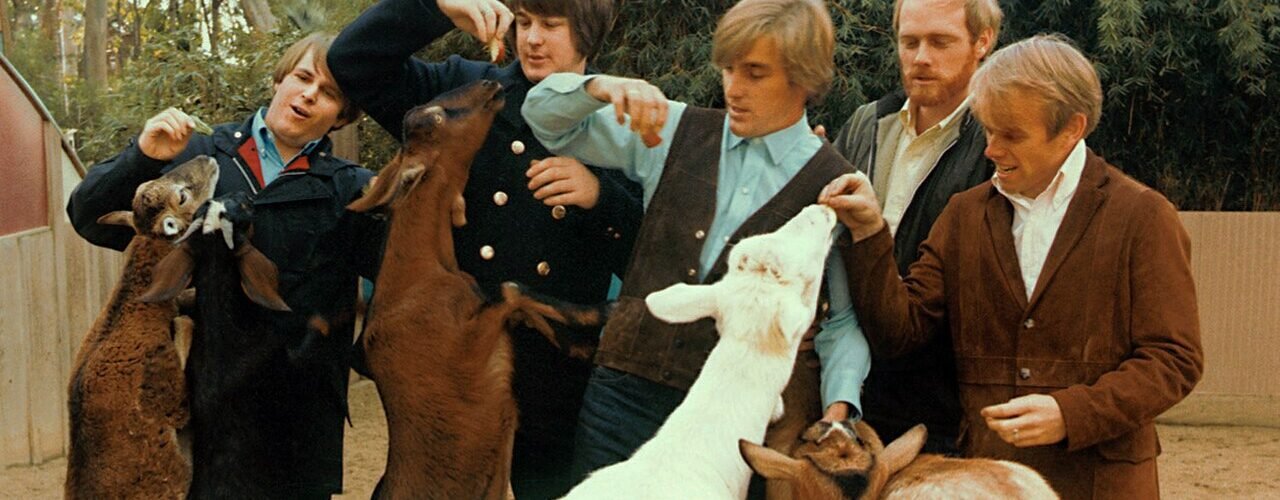
There is literally nothing wrong with this album. It breathes perfection from the first arpeggios of “Wouldn’t It Be Nice” to the last bark of Brian Wilson’s dog on “Caroline, No”. Personally, I don’t think even The Beatles ever surpassed it. Nor The Beach Boys for that matter. A true fucking masterpiece. One that took everybody by surprise when it came out in 1966.
The end of Girls, Surf and Cars
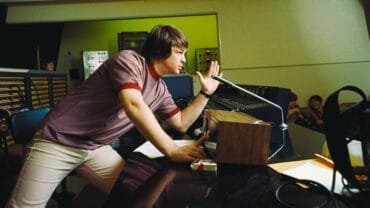
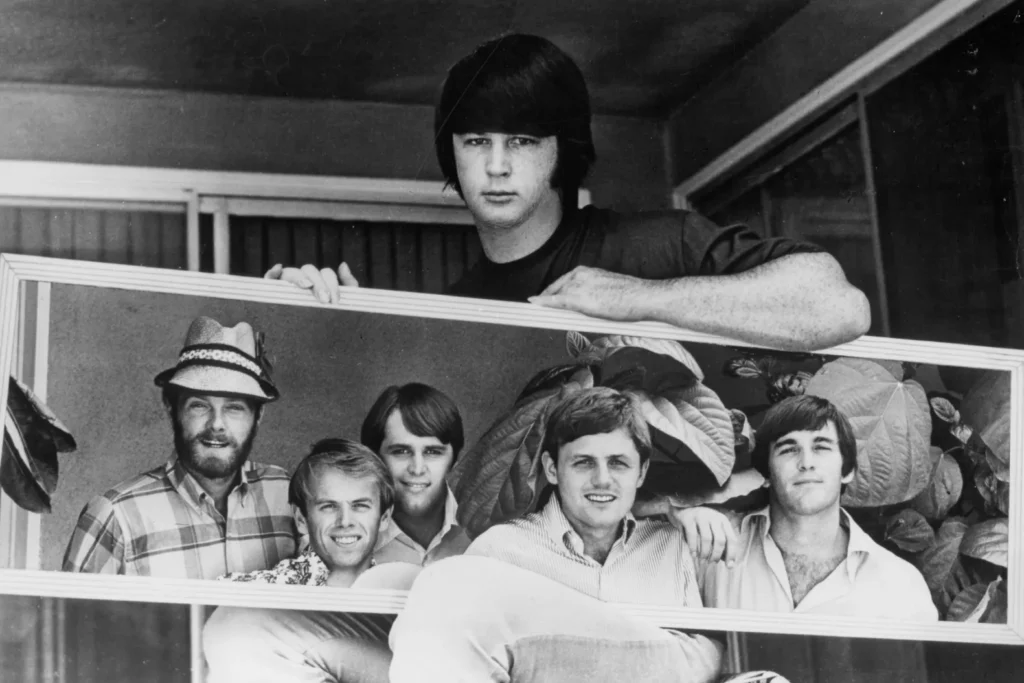
Up until 1965, The Beach Boys had released seven albums. Some of them were merely gathering some of their best singles on an LP. Some other were simply exploiting the commercial spirit of Christmas. They had also been constantly touring, leaving little time to focus on creating something new or taking a bit of rest. It was so intense that in late 1964 Brian Wilson suffered a nervous breakdown. He never really liked the life on tour, and hated flying on planes. In January 1965, The Beach Boys’ creative leader announced that he was done touring. He was going to focus solely on studio work, and creating new material.
One of the reasons that motivated this change was a “fucked-up jealousy of Phil Spector and The Beatles“, Wilson later admitted. The British Invasion had genuinely shocked him. British bands flooding the charts were bubbling with creativity, experimenting with new recording techniques and tackling topics grounded in everyday life. The American musician became increasingly self-conscious about The Beach Boys sticking to girls, surf and cars. Something had to change.
On the other hand, there was Phil Spector and his “wall of sound”. The Beach Boys had just released The Beach Boys’ Christmas Album, using a forty-one-piece orchestra, as an answer to A Christmas Gift To You from Phil Spector released in 1963. But this was only the beginning. The Beach Boys Today! came out in March 1965, and its second side hinted at a radically new direction for the band. Moving away from traditional rock instrumentation, Wilson embraced richer, more orchestral arrangements. The songwriting also evolved toward a more personal touch. Less girls, surf or cars, and more introspective subjects, more emotions.
Rubber Soul and the Birth of an Ambition
Unfortunately, it didn’t sell as well as Capitol was expecting. So the record company pressured the band to release a new album, closer to their original sound. This was a success, but the band wasn’t too happy about it. They felt trapped with certain topics and style. To top things up, the record company asked them to record something special once again to capitalise on the Christmas market. The band then released the entertaining —yet irrelevant— Beach Boys’ Party, a collection of covers recorded live in the studio by the band. The label decide to promote the single “Barbara Ann” quite aggressively. This annoyed Brian Wilson as this was definitely not representing the new direction the band was trying to take.
And then, as Beach Boys’ Party! was selling well, The Beatles released Rubber Soul. Wilson was especially struck by the American version of the LP, whose consistency and emotional cohesion convinced him that an album could function as a complete artistic statement rather than simply a vehicle for singles. He was gobsmacked. The Brits had once again reached unexpected levels of sophistication. But instead of wallowing in jealousy, he became more inspired than ever. More determined than ever, he set out to produce the greatest rock album ever made.
Building Pet Sounds
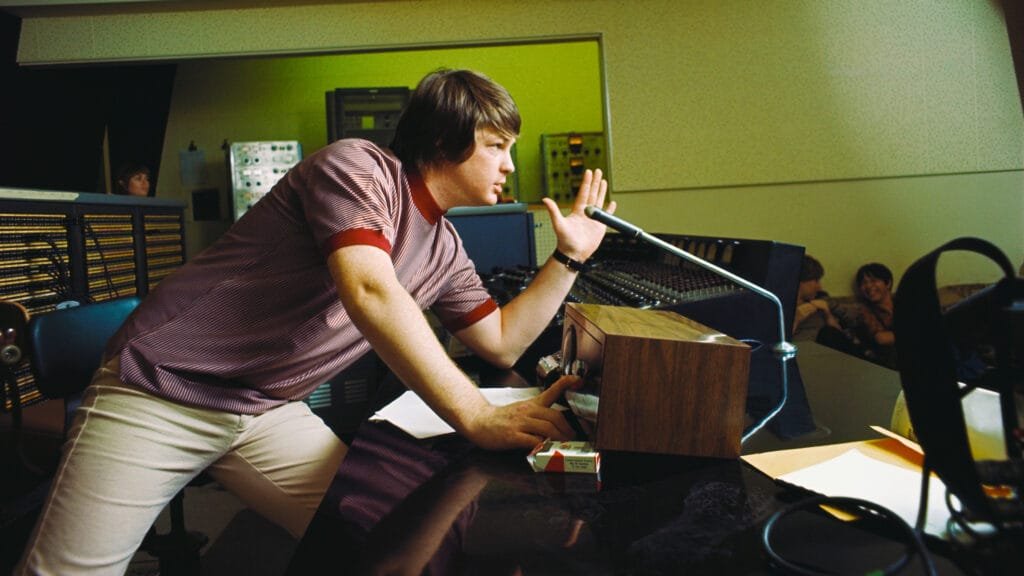
With the help of advertising copywriter Tony Asher, Brian Wilson had written enough material to head back into the studio. Inspired by the use of the Sitar by The Beatles, Wilson had a clearer idea of the direction he wanted to take for the instrumentation. This time he hired the services of The Wrecking Crew, the very same group of session musicians that collaborated with Phil Spector. Even though Wilson never really had any musical training, he knew exactly how to convey what he wanted from the musicians. Bassist Carol Kaye explained that Wilson was “aware of the variety of tones and timbres that are possible from just one instrument.”
When the band eventually came back from touring, they joined Wilson in the studio to lay down their parts. The signature harmonies of the Beach Boys became the golden layer coating the wonderful wall of sound Brian Wilson had built for himself. Carl Wilson sang lead vocals for the absolute gem that is “God Only Knows”, while Al Jardine fronted “I Know There’s an Answer”. Mike Love shared lead vocals with Brian on “Wouldn’t It Be Nice” and “That’s Not Me”, and fronted “Here Today”. He also contributed lyrically to “Wouldn’t It Be Nice”, “I’m Waiting for the Day” and “I Know There’s an Answer”.
An early concept album
Many, today, see in Pet Sounds an early concept album. The lyrics, for instance, seem to focus on a central theme exploring human emotions. From the hopeful “Wouldn’t It Be Nice” to the more intense reflection about love on “God Only Knows”. “I Know There’s An Answer” and “I Just Wasn’t Made for These Times” reflect on solitude and alienation. While “That’s Not Me” explores uncertainty and self-discovery, and “Here Today” is all about pain in the wake of a fleeting romance.
“Sloop John B.” may initially feel like an outlier as it covers an old folk song from Nassau. Recorded in the year before, it was added to Pet Sounds and adapted so it fits with the rest of the album. The instrumental “Pet Sounds” of course doesn’t support the lyrically themed concept either. In the end if there was a concept, it was more the production side. The Beach Boys were stepping away from their usual uplifting tone for something much more profound, and richer. As Brian Wilson once stated:
If you take the Pet Sounds album as a collection of art pieces, each designed to stand alone, yet which belong together, you’ll see what I was aiming at. (…) It wasn’t really a song concept album, or lyrically a concept album; it was really a production concept album.
The Album That Changed Everything
When Pet Sounds was finally ready, The Beach Boys knew they had something special in their hands. Something new, something that would help reshape popular music. Few rock albums had ever leaned so heavily into orchestral textures and unconventional instrumentation. It felt entirely unique.
Bruce Johnston, who had taken Brian’s place on tour, knew it too, and brought an acetate of Pet Sounds with him to London. He was planning to speed up the release of the album in Britain initially planned for November. There, he spread the gospel, introducing members of Britain’s rock elite to The Beach Boys’ new creation. John Lennon, Paul McCartney, Keith Moon, Mick Jagger and Marianne Faithfull were among those reportedly left stunned by the experience. It was finally their turn to have their minds blown. McCartney still recognises that “God Only Knows” brings him to tears every time he hears it.
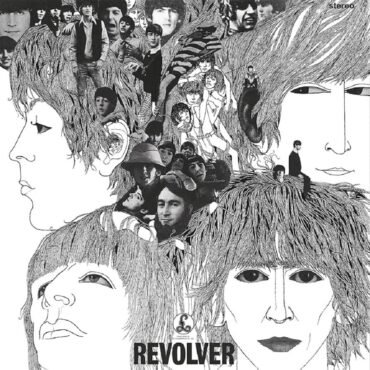
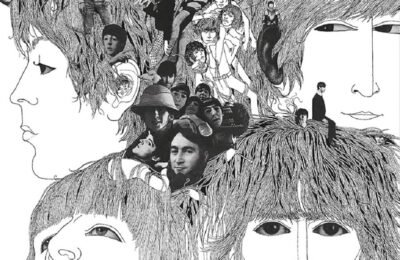
A few months later, after years of performing in front of crowds screaming louder than the music itself, The Beatles also decided to stop touring and focus entirely on studio experimentation. Saying Brian Wilson motivated that decision would be a stretch. But as The Beatles were beginning to explore more experimental territory on Revolver, Wilson’s decision to abandon touring — and the dramatic shift it triggered in The Beach Boys’ sound — likely reinforced the growing belief that the studio itself could become an artistic destination.
It is widely recognised that Pet Sounds played a huge part in the motivation that drew the Fab Four to produce Sgt. Pepper’s Lonely Hearts Club Band the very next year. And yet, did this extraordinary album manage to best Pet Sounds ? Personally, I wouldn’t think so, for Pet Sounds is purely flawless from start to finish. Brian Wilson had simply managed to produce the greatest rock album ever made.
Misunderstood at Home, Celebrated Abroad
Yet when the album came out on May 16,1966, the reception on home soil proved surprisingly mixed. American critics recognised its ambition, though praise was more restrained than ecstatic. Meanwhile some listeners were confused by the new direction of the band. Some even discouraged others to purchase the new “weird” album. Bruce Johnston and Carl Wilson claimed that Capitol mishandled the promotion, arguing that the label never really believed in Pet Sounds. It didn’t help when two months after the release, the record company issued the Best Of The Beach Boys compilation which sold much better, but also seriously diverted the attention from Wilson’s masterpiece.
On the other side of the pond, though, the reception was radically different. Pet Sounds was highly praised all around as revolutionary, and Wilson as a genius. In the weeks following its release, in June, the album reached number 2 in the charts. It turned out to be one of the five bestselling albums of the year. Many critics and fans argued that the Beach Boys had surpassed The Beatles. At the end of the year, Melody Maker declared both The Beatles’ Revolver and The Beach Boys’ Pet Sounds as Pop Album of the Year. It’s like the Beach Boys were on the wrong continent.
Good Vibrations and the Shadow of Smile
Astonishingly, the album didn’t include the now legendary “Good Vibrations”. Wilson had begun working on it early in 1966 with Tony Asher, but left it aside in favour to “Sloop John B.” appearing on the record, as he wasn’t yet satisfied with it. It took Mike Love’s contribution, rewriting some of the lyrics, further arrangement and recording sessions throughout the year before the song was ready for release as a single in October 1966. This time, the single received critical acclaim and overwhelming commercial success on both sides of the pond.
But Brian Wilson was only getting started. He already had other plans for a new project called “Smile”. The ambitious sessions that followed would prove far more troubled, collapsing beneath immense pressure, internal disagreements and Wilson’s deteriorating mental health. Unfortunately, the project never saw the light of day. But that story belongs elsewhere. What matters here is that, for one brief and extraordinary moment in 1966, Brian Wilson reached a creative peak few artists ever touch.
Pet Sounds remains breathtaking because it still feels human. Beneath the orchestration, the innovation and the endless praise lies something deeply vulnerable. It is an album about growing up, trying to understand oneself, and desperately wanting to connect with others. More than half a century later, it still sounds impossibly fresh. It is simply perfect, and breathtaking from start to finish. Brian Wilson had set out to make the greatest rock album ever recorded. And he just succeeded.
“I think it’s a very everlasting album. I’m very proud of the love that went into it. A lot of love went into that album. And people pick up on that too, and they really like it ’cause they feel the love.”
Brian Wilson on Pet Sounds