 Nicky Woulffe
Like all great questions this one is certainly open to interpretation.
I can still remember reading the quote by Billy Vera, a songwriter with a massive reputation for writing a number of songs across a multitude of genres. He was writing the introduction to the now out of print 1982 book “What Was the first Rock ‘n’ Roll record” by Jim Dawson and Steve Propes. The book itself was a large volume that went right back to 1916. It examined how the first mentions of Rock’n’Roll were put together, and how it changed music forever. That famous quote by Billy Vera sums up how most people felt at the time and it went as follows:
Rock ‘n’ roll was an evolutionary process. We just look around and it was here…To name any one record as the first would make any of us look a fool.
Billy Vera
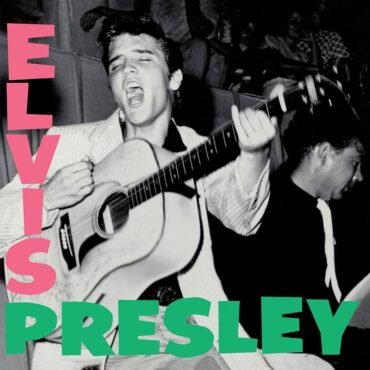
As you can imagine since the publication of the book much debate has followed. And indeed still does to this very day. Many consider Elvis Presley as the first artist to introduce the words Rock ‘n’ Roll to us. But he was not. The legendary Ike Turner and his recording of “Rocket 88” for Sam Philips’ Sun label were considered as the track that could be considered the first rock and roll record.
A never-ending debate
In truth the beginning of rock ‘n roll’ has sparked much debate and still does. I revisited the book “What Was the First Rock and Roll Record” to look back at some of the tunes they mentioned.
As they travelled back in time they narrowed down a list of the records including a 1916 debut which was a Little Wonder five-inch record featuring unknown singers at a camp meeting. A religious get together, where unaccompanied singers harmonising and sang the words: “We’ve been rocking ‘an ‘rolling in your arms/ Rocking’ and rolling in your arms/In the arms of Moses.” It’s hardly rock ‘n’roll in the way Elvis delivered that famous hip–swivelling performance on the Ed Sullivan back in the mid 50s.
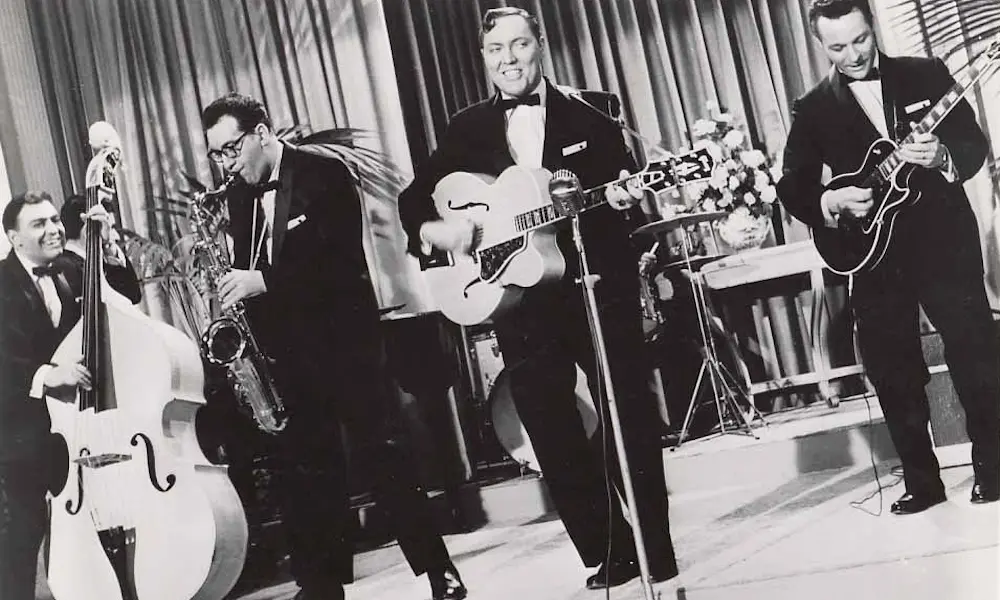
The Early blues tracks were a form of rock ‘n’ roll I suppose. Jim Jackson’s “Kansas City Blues” from 1927, was one such big seller. It provided the musical template for many other blues artist to follow up along the same lines with what would be considered a sort of early rock ‘n’ roll, such as Charlie Patton’s “Going To Move To Alabama” or Hank Williams’ “Move It On Over”. These songs would in turn influence some of the great songwriters. Like Leiber and Stoller who wrote the quiet brilliant “Kansas City” which was acclaimed as the first rock’n’roll record. One could claim that it was Bill Haley and The Comet’s version of “Rock Around The Clock” was the one to be chosen.
Open to Interpretation
However, as I said: it is all open to interpretation. And the sounds that moulded rock ‘n’ roll came from the most unexpected places. For example you could consider that it was the multi-harmonies of the Andrew Sister whose 1940 hits “Boogie Woogie Bugle Boy” and “Beat Me Daddy” presented some of the vocal arrangements that would become key, as rock’n’ roll became more popularised.
When you go back in time and research the root’s of rock’n’ roll as many writers have, some songs stand out. One of those was Arthur ‘Big Boy’ Crudup’s “That’s All Right”. It would certainly come into this discussion released back in 1946. It would be 1958 before Elvis would record this gem and certainly make his own and would be another contender for the outright ‘first rock ‘n’roll record”.
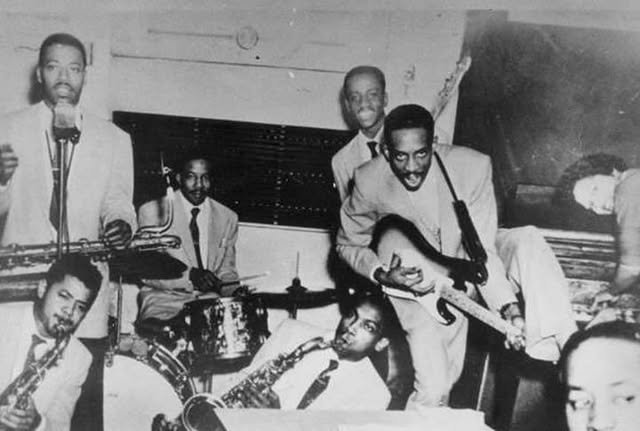
The 45rpm revolution and the birth of Rock ‘n Roll
The 45rpm record revolution was certainly upon the world when the DJ Alan Freed coined the phrase “rock’n’ roll” in the early 1950s. A teenage revolution was imminent, at this point. A collision of styles was bound to produce something new. And it did. The record that was often cited as the first rock n roll record: Jackie Brenston’s “Rocket 88” was released. “Rocket 88” embraced RnB and a new rootsy rock ‘n roll sounds, as did many other songs released in the early to mid 50s. Songs such as “Hound Dog” by Big Mamma Thornton, and “Crazy Man Crazy” by Bill Haley.
Everyone has their own view of what was the first “rock ‘n’ roll” record. I will stick with Jackie Brenston and his version of “Rocket 88” but this will always be open to debate and will continue until the end of time.
I will leave the final words to the late John Lennon:
When I first heard “Heartbreak Hotel”, I could hardly make out what was being said. It was just the experience of hearing it and having my hair stand on end
John Lennon