 Richard Bodin
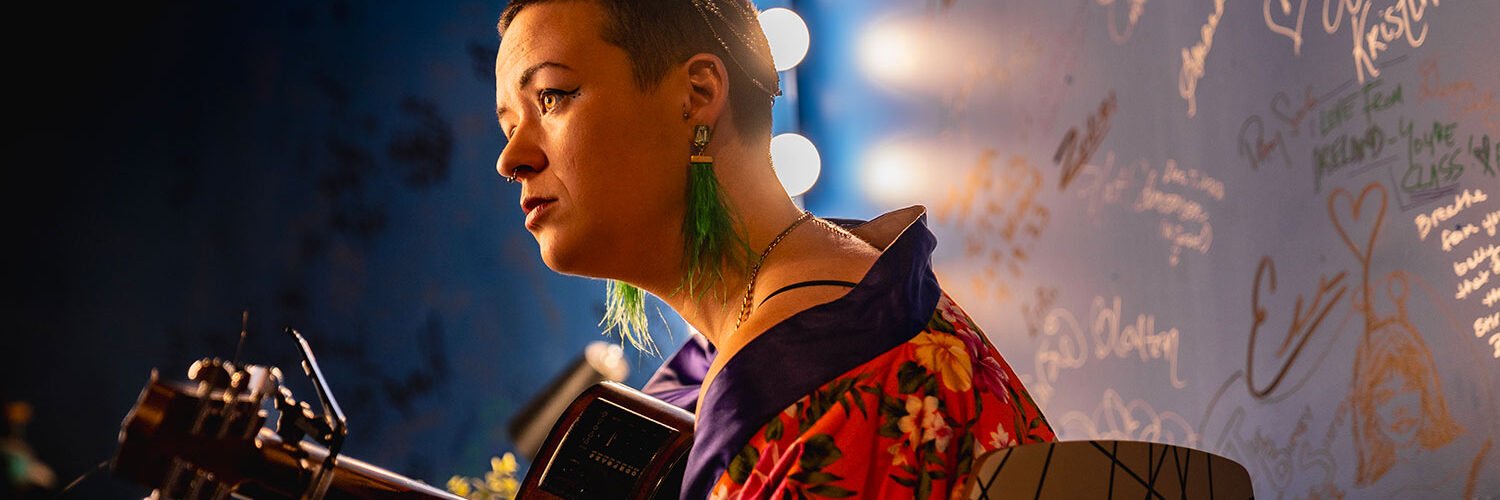
Since June, Emma Langford has been back on the road, celebrating ten years of making music with a tour whose title is almost as long as the career it celebrates: Ten Years On and She’s Still at the Feckin’ Music (Isn’t She Very Brave in This Economy).
Behind this whimsical title, Emma Langford celebrates her career. Ten Years with some highs, but also some lows, juggling with gigs, releases, grants, merch and everything else required to keep the whole thing moving. Ten Years in which she discovered a lot about herself, and by her own admission was very close to give up.
But here she is. Still at the feckin’ music and enjoying it. We caught up with her to reflect up on all of it.
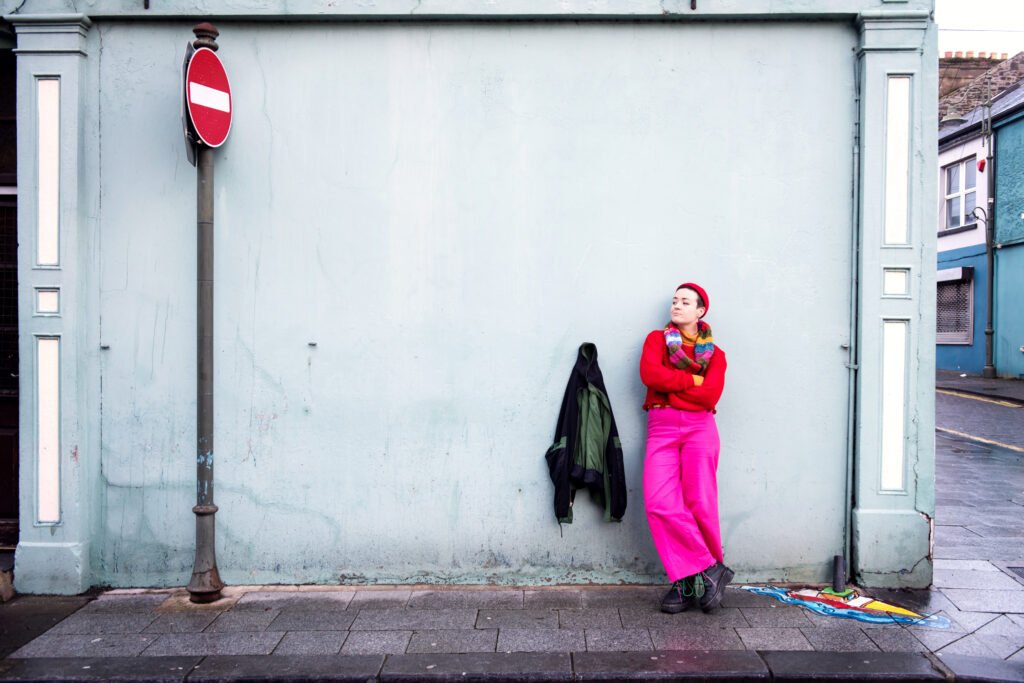
“10 years and till at the fecking music…”
How does it feel, after a few months back to touring and getting a four star review from the Sunday Business Post ?
It’s been good! The review was a nice cherry on top of all of it.
The shows have all been really lovely, and people have responded really well to the whole tour schtick. People seem to be engaging with that, which is nice because a lot of people on social media are very earnest and take things very seriously. It made it very hard to be myself on social media sometimes because I don’t take things seriously.
Like the little shark routine…
Laughs… Yeah, life’s too short not to dress up in a shark costume and dance around to your own song in a bedroom trying to promote your shows.
So it’s been a really positive experience. It has reinvigorated me. I’m enjoying it again in a way that I didn’t for a long time. Because, even if I wasn’t taking myself seriously, I was taking it all very seriously and I was quite burnt out.
Getting that four-star review for the show where they talked about the storytelling aspect of things, the fun we had on stage and the relationship with the audience… That’s so important to me. That’s why I do it. Having that reflected in national media was just really lovely.
The Autism Experience
A few years back you have been diagnosed with autism. You have been very open lately about the challenges you met as touring musician relating to your autism experience. How have you managed so far with your current tour?
Coming out as autistic has made a big difference to my touring experience. Firstly, because saying it out loud makes you acknowledge it yourself. And then the people around you are being given permission to also be themselves. So it means that, if my band mates have a problem or need extra clarity on something, they feel okay to come to me and say that, which is great. Communication has been clear.
When I’m going into venues, I know what to ask for. And I know what to ask for from my own perspective as well. For a long time, I didn’t know why I was getting anxious. I don’t experience it so much now, because I understand where it comes from.
It can be a lot of little things building up: background noise, a weird tag from my top tickling my neck, someone running late and not telling me why… And suddenly, I’m not just anxious about playing my show or in a bad mood. All these little things have contributed to it. Now I can recognise them, compensate for them and find a coping mechanism that doesn’t end with me breaking down in tears.
How has your diagnosis impacted your life in general, and your songwriting in particular?
Giving myself permission be myself meant that my personal relationships are much better now. My relationships with my family, with my friends, and with my partner are all much more honest. And I’m honest with myself. I know what I need out of relationships, and I’ve also learned to temper my expectations. So life is a lot better since knowing what’s going on in my brain and why.
As for my lyrics and songwriting, I guess I’ve always written as an autistic person, but I am allowing myself to write songs more freely now than I did before. I allow myself to have a bit more fun with it, be more creative with it, and explore new techniques.
Have you also discovered advantages to the way your brain works? Has being your own boss allowed you to structure your working life in ways that suit you?
Being my own boss means I can decide my work environment or my schedule to a certain extent, and that’s great. But because I am AuDHD, part of my brain needs structure to get me through the day, while the other part of my brain craves whimsy and spontaneity. They talk to each other.
My autism brain gentle parents my ADHD brain sometimes. Then my ADHD brain sometimes talks to my autism brain like the fun friend who recognises that you haven’t gotten up and run around much today, you should do that. So they help each other, but it’s, it’s a battle a lot of the time.
This is why I have bandmates, or why I set myself to make an album, or apply for grants or funding… Suddenly I am accountable to other people. Somebody gives me a deadline, or I need to make sure this other person gets paid. If I don’t book any gig, then they don’t earn anything. I think it is a really good approach to being a self-employed autistic person. Make yourself accountable to other people.
The other advantages, I suppose are just the capacity for hyperfocus and the capacity to think about things critically and laterally.
You’ve never exactly been shy about politics or social issues in your music. Has the current political climate changed what you feel you need to write about?
It’s actually interesting you say that, because I was shy about politics and social issues in my first album. Then I remember distinctly when I was putting out my second album and I felt I really wanted to say more. I was saying stuff on stage or in my social media, but my songs are what survives when everything else has gone away. So I wanted the songs to say things more clearly. So I’ve made a conscious choice to say more in the past couple years…
I’ve got so many things that my music now is saying. I wanna be nuanced when I write my songs ’cause I don’t think about things in a black-and-white way. But there are certain issues that I’m pretty clear on: around colonialism, animal rights, gender-based violence, human rights or environmental justice. There’s certain things that I stand for and my songs to sort of speak to that as much as possible.
There’s just so much terrible behaviour going on by humans that we need to be talking or recording about as musicians. We need to be recording what’s happening in this moment so that people can learn from it — not that we historically have ever learned from our mistakes.
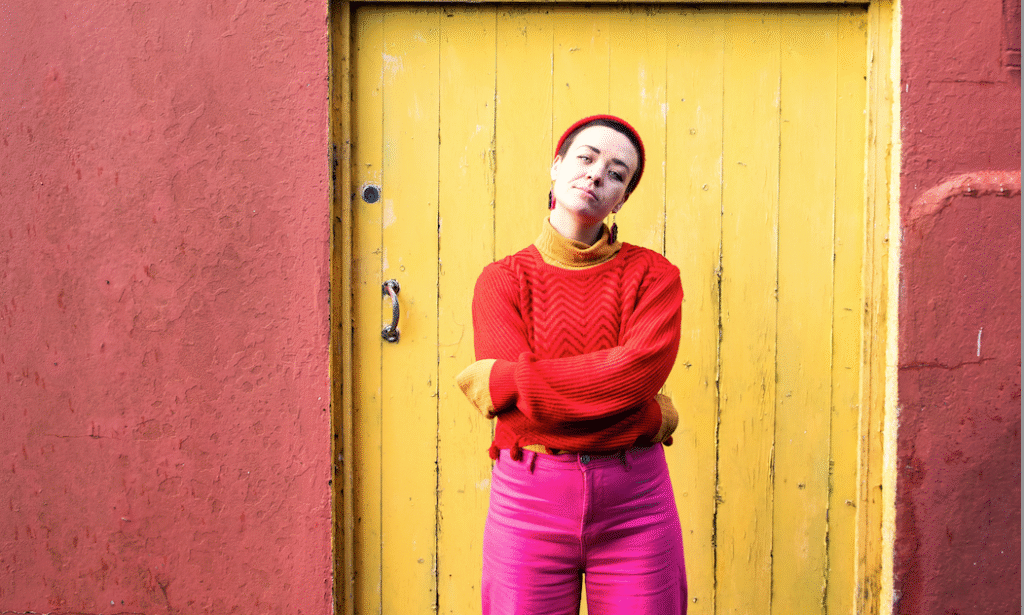
Making a Living From Music in 2026
In a recent interview, you said that every show is essentially a gamble. How difficult is it to make a living as a musician these days, when streaming services aren’t paying much (if any)…?
It’s very difficult. Touring is one of the main ways that we make a living. But even at that, you go out on the road and you pay everyone around you: your musicians, the venue, your sound engineer, hospitality… You pay for merch. You come home from your tour having paid everyone, and you yourself have just broken even.
So that’s challenging. If I wasn’t making and selling merch, I probably wouldn’t break even. So it’s about balancing the books and figuring out what you need to push and do differently to sort of bring in that extra bit of income so that you can make your business a sustainable model. Which is a horrible way to describe a music career.
It feels like streaming has really hurt the music industry
Massively! It’s commodified music in a way that’s just unsustainable for actual artists. It’s very sustainable for labels and for streaming platforms or for app designers, but for the people actually making the work that they’re selling, it’s absurd.
Do you make any revenue from physical albums?
Yeah. Though again, I consider them merch at this stage. A lot of people buy them as a keepsake.They will buy one just to have it signed and to bring home to add to their collection.
Revenue from actual album sales, for me, is quite good because I’m in a genre where albums actually sell. I’ve sold out of one of my albums on CD now, and I don’t think I’ll get it printed again. I’ll probably print it on vinyl next, but I don’t want another massive box of CDs lying around the house.
But to be honest, my biggest source of revenue is passive income, like radio royalties.
Ireland has this enormous reputation as a country of musicians, but do you think we actually do enough to support musicians trying to build sustainable careers here?
I think as a country, yes, we do. There’s such a drive in Ireland to support music. Everyone here loves music. Everyone comes out to the shows. There’s a huge independent scene here, and I think Irish people do so much to actually get out and support artists and musicians.
We also have amazing Arts Council grants, Culture Ireland and Creative Ireland initiatives, and local grants that allow musicians to thrive. So it would be disingenuous for me to say that Ireland isn’t doing enough to support its musicians.
But in terms of the musicians who are getting the big opportunities — the massive venues, the big festival slots — I think there’s still a bottleneck in the industry. The same big names tend to get those opportunities, while there’s this huge independent scene underneath that doesn’t always get the same exposure.
I think radio in Ireland needs to do more for independent Irish music. There are very few remaining radio stations where the DJs have autonomy, like on RTE Radio 1 or Lyric FM. They’re not just being told to play the latest chart hits; they can make their own choices and give independent artists a chance. Radio is still an important way for people to discover music.
More radio like those would be a big step towards helping independent artists survive and thrive, because royalties are massive. And I think we’d also benefit from seeing more of a push for local radio stations to play local music.
Do you think there’s a point where turning something you love into your livelihood actually takes some of the joy out of it? Or are you as excited in doing this as you first were when you started 10 years ago ?
It feels like a marriage that has gone through marriage counselling.
I was mad about it and it was great. We were just trying things out, experimenting, it was romantic and fun. It was an adventure. And then I stagnated and it just became work. Every gig felt like a chore, I got through it, and it was fine. I put on the mask, and I did the job, and I went out there.
But there, it hit a point where the joy did get taken out of it. And now I have remembered how to have fun with it again, and I think that’s something that’s really vital in this industry. That it’s fun. Remembering that side of how unlikely it all is and how much fun it can be has really just brought the joy back into it for me.
I feel like I’m at a point now where it feels lasting and enduring. Whereas last year I felt like I might quit.
Now I’m like, “Okay, If I can continue to have fun with this, and accept that I will change with it, and how this job looks will change for me, then that kind of keeps me interested.”
We’re growing together. We’re not getting divorced.
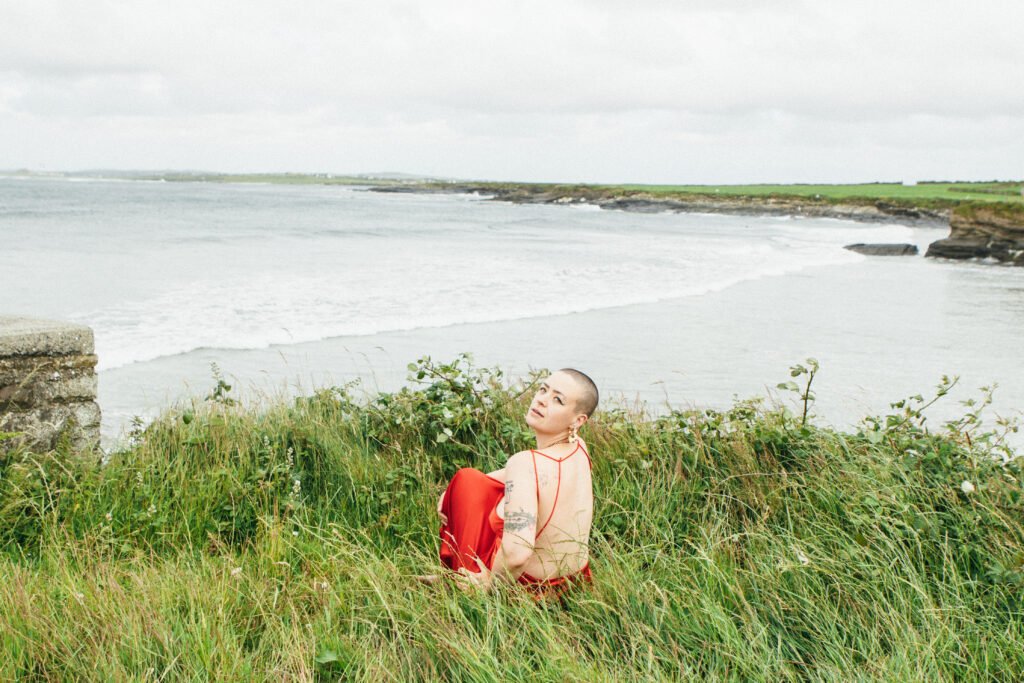
What’s next for Emma Langford
You said recently that you were going into studio to record… Are you working a new album ? Or just a single for now?
I have a new album ready to go. It’s written. It’s pretty much ready to go into studio but finding the time to do that is challenging. So right now I’m going into studio to record a single, that I will put out this year. Then that’ll be hopefully the start of the process of recording the full album early next year to release next year.
The plan was to put out a new album this year and it just didn’t happen. I also kind of trust my instincts with these things. I can only make so much happen myself. If things aren’t falling into place then I have to trust that there is a moment that is right for these things to happen.
But I’m really pushing the single to get out this year because it’s a about the mother and baby homes and the Magdalene laundries. This year is 200 years since the Limerick Magdalene Laundry was opened and it was 1996 when the last laundry closed. It’s a big year of anniversaries for that so I want the single to be out this year.
It has been a while since you released an album. You released many singles however… What can we expect from the new material?
I’m really open to how this next album turns out. I have all the songs written, but I could go into studio and decide: “this needs to be a doo-wop song”. I don’t know what genres re gonna take over the next album. It feels like it’s gonna be a lot of folk and trad. But I have some weird ideas for instrumentation for that.
I heard you were preparing some new shows ?
I’ll be doing five shows with an ornithologist and a poet. We’re all really into wildlife, nature, art, folklore, and mythology. So we’re doing a show together where we just have conversations and take turns doing our thing.
I know you are involved in other artistic adventures, like an adaptation of “Me Myself And Them” by Dan Mooney to theatre… You’ll be doing the music, I believe. How is that going ?
Music is a generous term for what I’m doing. laughs…
It’s interesting and very unlike anything I’ve done before. It is mostly soundscaping., finding ways to underscore parts of the show with sounds. For example, I’ve got stones that I’m dragging on a piece of slate, or I am recording myself laughing… Then I create weird effects on the laughter and then layering that up. It’s fun. And the whole thing is coming together really interestingly. It’s been a really interesting collaborative process.
Ten Years In
Looking back on 10 years… What was your favourite moment ?
Interesting question… Considering I’m celebrating 10 years this year, you’d think I’d be reflecting a lot on my past 10 years. But I’m not! Laughs… So what was my favorite moment? There were so many.
Recording my first album —Quiet Giant— in a studio surrounded by cows and fields in Co. Laois, with my bandmates and producers. The studio upstairs was like a yoga studio, really chill, everything smelt like patchouli. It was just really lovely, having everyone in the room together. Holding that album for the first time, and working with Jacob Stack to make the artwork was so cool.
There was this moment in Germany, in this wooden-type saloon bar the middle of the Black Forest. I sang one of my songs, and this woman was just bawling. And I was like, “Oh my God, she, like, she must be so touched by the lyrics.” She spoke to me afterwards, and she had her friend translate for her to basically say, “I’m so sorry. I have no idea what that song was about, but it was just so beautiful. It was so sad. I just cried the whole way through.”
I think those moments of meeting a new community, connecting with people like that have been really special.
And what do you want the next ten years to look like?
I don’t think I’d want to know. I want it to be just a massive surprise. I’d hate to have a picture in my head of how I want the next 10 years to look and then it just be that. It is so boring for me. So I hope it’s just constant adventures, weird opportunities, and chances to collaborate… And maybe totally reinvent myself and turn into the next Kylie Minogue! Who knows? Laughs…
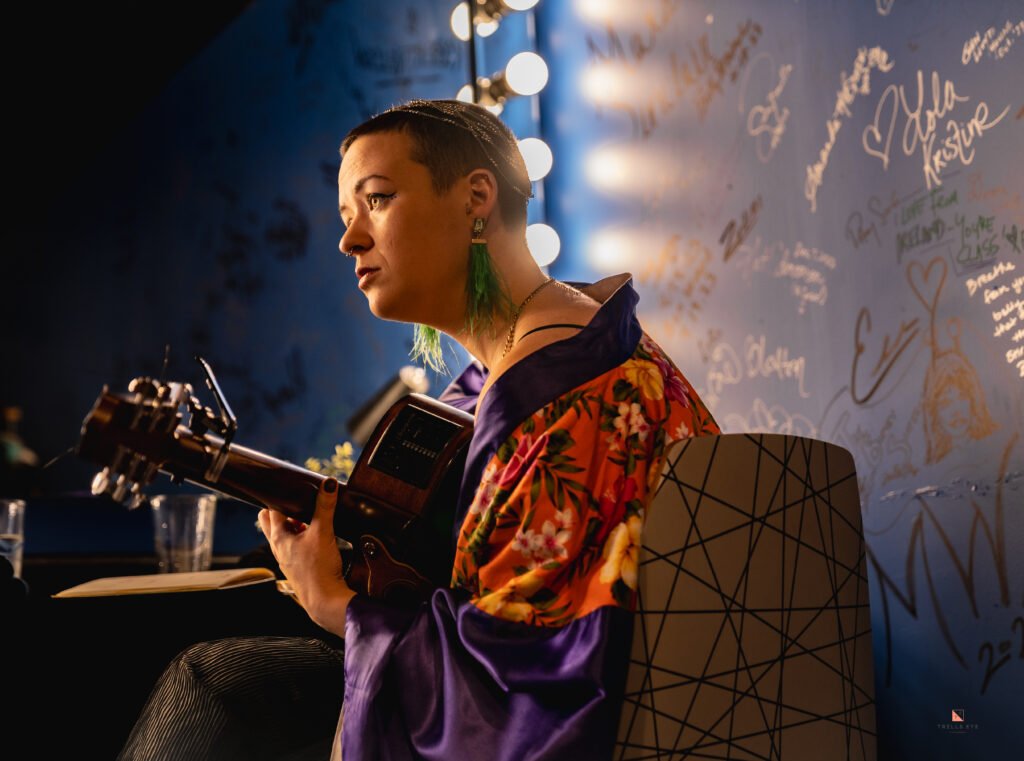
The Playlist of Emma’s Life
What was the first song you remember on the radio?
I think it was a Spice Girls song. I was sitting at the back of the car, and my sister and her friends were going to a sleepover or something, and everyone was singing along to the song.
What was your first album?
I know there were three albums that were on constant circulation for me. There was Avril Lavigne, Evanescence, and The White Stripes. Avril Lavigne‘s was probably my first album. I have a very visceral feeling of holding her first album, buying it in HMV, and being excited about owning an album I’d bought for myself.
What was the first album you decided to go to ?
I can’t remember a specific concert I bought a ticket for except for going to Oxegen. Which was like Electric Picnic before Electric Picnic. It was way worse: it was just one giant mud bath. It was so bad. It was the end of secondary school, and myself and my friends got tickets to go to Oxegen. I think it was my first time ever drinking. And yeah, it was chaos. It was utter chaos. I had a lot of fun. I’m pretty sure I got to see Avril Lavigne playing at that, and a Portuguese band called CSS, and maybe Scissors Sisters…
What is your most influential album?
There were albums I listened to teach me how to sing and other to teach me how to write or to perform. I loved Declan O’Rourke‘s Since Kyabram for the lyricism and Norah Jones‘ Come Away With Me to teach me how to sing.
What would be the most underrated album?
I think it is One Day International‘s Blackbird. Actually, that was a really huge moment for me in my musical life. I was living in Galway in 2009, and I went to the Róisín Dubh, and I saw this band playing on the stage in the main venue.
They were just this mesmerising, charismatic… It was a total stillness. The room was hypnotised by them. There was dry ice everywhere, it was a magical feeling. Oh, I was probably hammered drunk, and I just thought this was the best thing I’d ever seen in my life.
There was this lead singer —Tasmanian singer-songwriter Matt Lunson— who had the most beautiful voice. He was so cool. His timbre was just so unusual. I’d never heard anything like him before. And he had a cellist behind him, it was really cool.
But they did this one album, and that was it. Never to be seen again.
An album you heard just one song before deciding you needed it?
That happened to me once. There was a shop selling incense, magic stones, crystals and stuff. And they were playing an album by Graham Coxon. I went to the till and asked “What is this?” I’d never heard anything like it. And she was like, “Oh, it’s Graham Coxon, Happiness in Magazines.” I went straight to HMV and bought it. I was obsessed with it for ages.