 Richard Bodin
As the festival season is coming to an end, it is important to honour the work and effort put in such endeavours by the people behind the scenes. From booking a line-up, securing a location, stage management, ensuring the security for festival-goers… Running a festival is no small feat. Add unpredictable weather, artists dropping out at the last minute and rising production costs, and the challenge becomes even greater. Ultimately, it requires a lot of money, and even selling most of your tickets does not guarantee that a festival will stay afloat.
A precarious business model
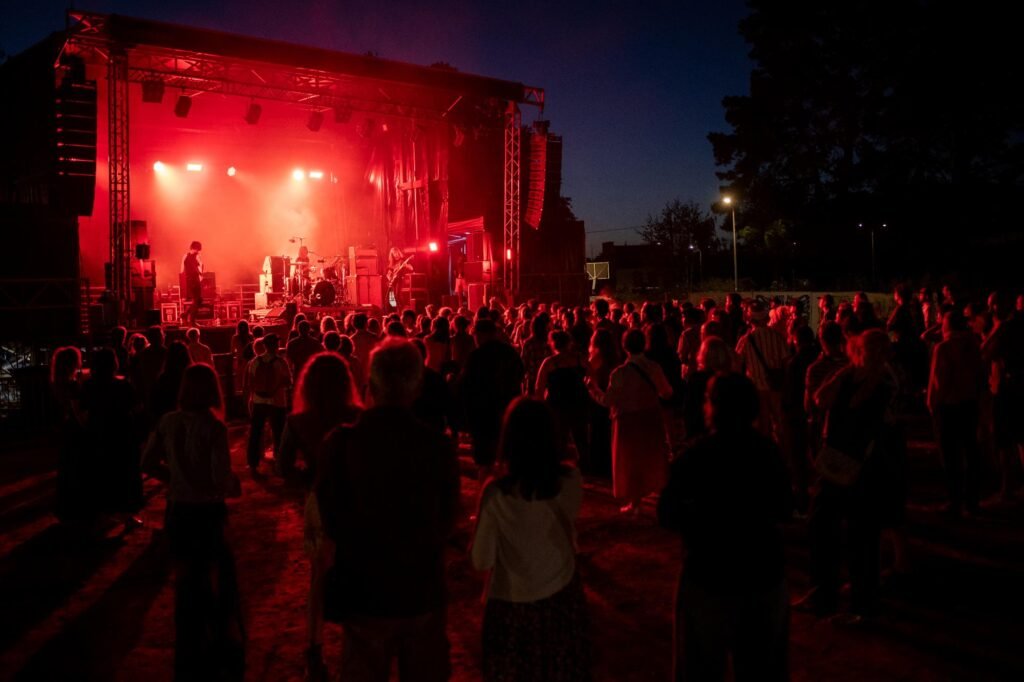
According to The Irish Times, nine Irish music festivals were cancelled in 2024, prompting calls in the Dáil for government intervention to support an increasingly fragile festival ecosystem. In the UK, the Association of Independent Festivals reported that 60 festivals were cancelled, postponed or closed down in 2024, while 192 independent festivals had disappeared since 2019. In France, a 2025 report from the Centre National de la Musique highlighted an equally striking reality: around two out of three music festivals were in deficit in 2024. Even among festivals that achieved more than 90% attendance, 68% still lost money.
While the biggest festivals can rely on major sponsors, funding and huge turnouts to absorb some of these risks, it is a very different story for smaller festivals. They often depend heavily on volunteers, local funding and the support of private patrons. Larger festival can also rely on strong headliners to guarantee a good turnout. But smaller festivals cannot necessarily afford such names. The festival itself, then, has to become the attraction. Through a carefully curated identity or a particular niche. They have to offer a unique experience, that will build a loyal fanbase of festival-goers.
Paimpol in Rock
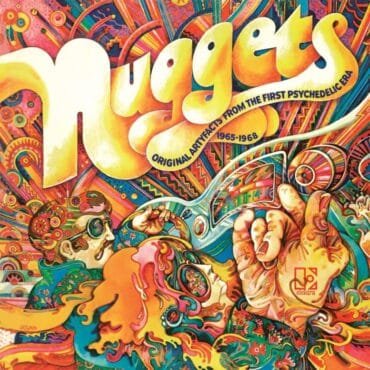
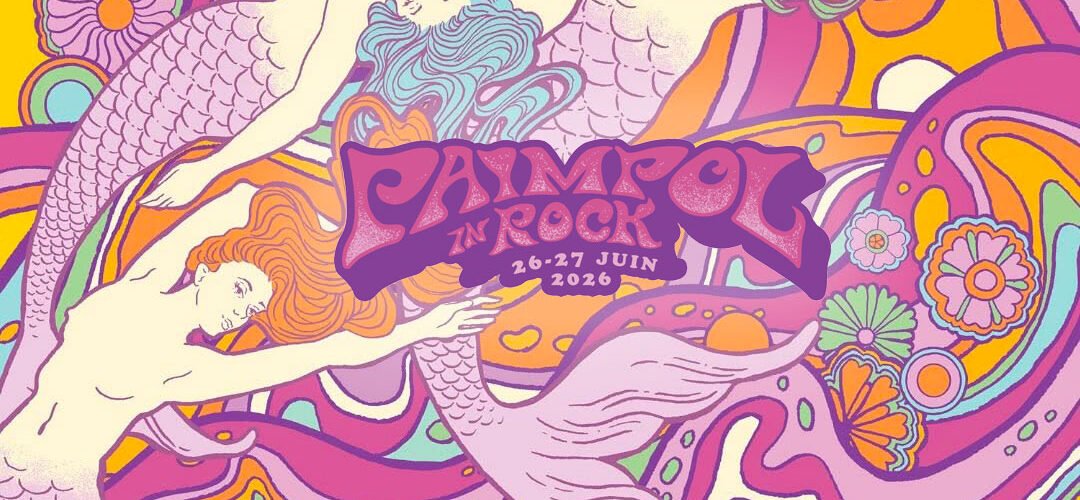
I stumbled upon such a unique festival recently, as I was travelling through Paimpol, a little port city in Britanny. I met their team in the market, selling merch from their last edition to secure more funding for next year. What caught my eye instantly was their visual identity reminiscent of a 70s psychedelic poster. The name, “Paimpol In Rock”, was a direct reference to Deep Purple‘s famous Mount Rushmore album in 1970. On the poster, I also spotted The Howlin’ Jaws, a familiar name as they featured in one of our Don’t Miss Them playlist.
A curated identity
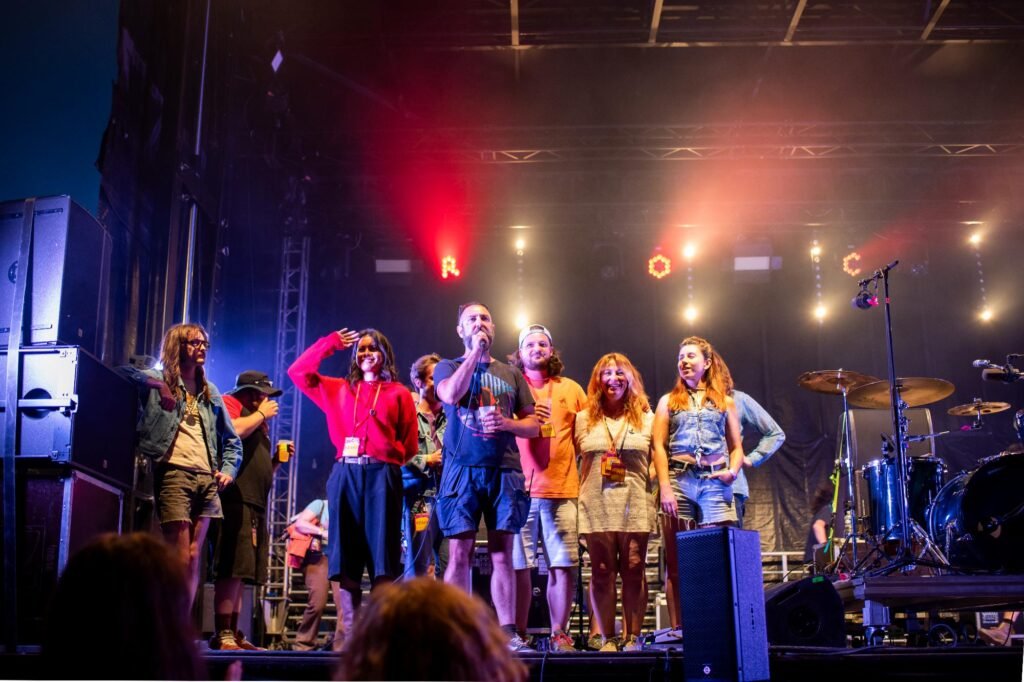
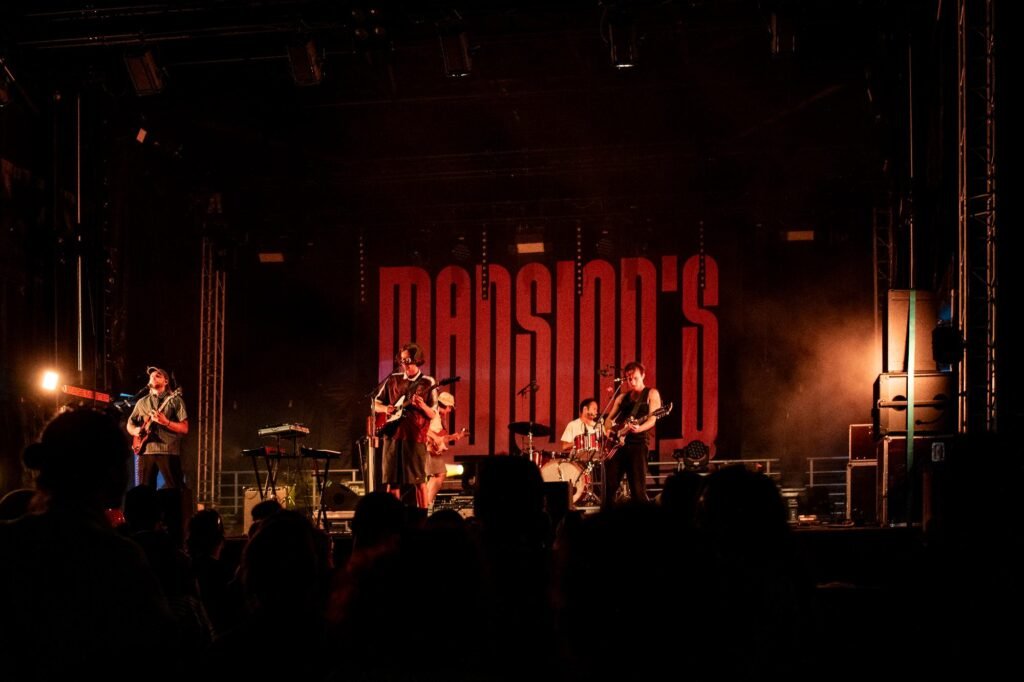
Started in 2021, Paimpol In Rock held its sixth edition last June. The festival is dedicated to honouring Rock n Roll with a 70s spin to it. From Psychedelic rock, to Hard or Progressive Rock, the inspiration is clear. They are not stuck in the past however, and curate bands blending this legacy with more modern influences. Since the festival is located in Britanny, it also shines a particular light on local bands, allowing them to share the stage with bigger French and international acts.
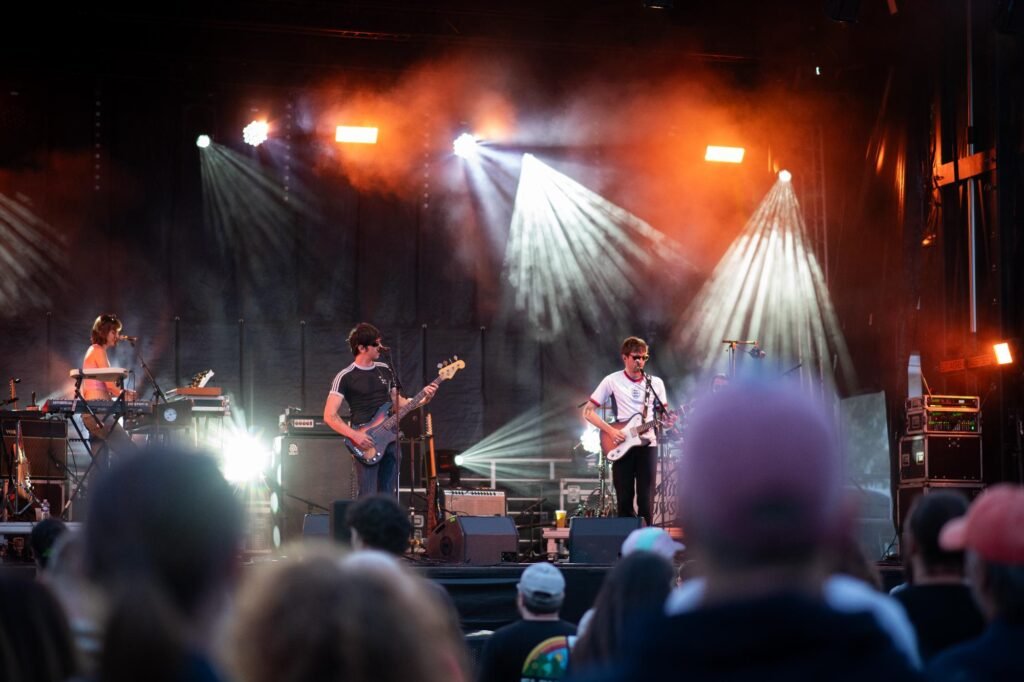
This year for example, the festival offered a line-up ranging from Britanny, to Texas going through the Netherlands or Portugal. While local band Moundrag brought a great 70s hard rock vibe, The Howling Jaws leaned more in the psychedelic garage blend. And while Maquina brought musical experimentation to the table, acts like L.A. Sagne or the Flying Bones injected a punkier energy. The line-up sounds rather eclectic on paper, but it feels very cohesive and makes for a guaranteed good time.
Anchored in the local community
The other particularity of the festival is its location. Situated on the northern coast of Britanny, in the Côtes-d’Armor, Paimpol is a popular tourist destination, known for both its port and beaches. The festival brings something new and fresh while fully embracing its roots by involving the local businesses. The local brewery “La Bonne Humeur” (Good Mood) provided a special bottle branded to the colours of the festival, while the local Dalmard Marine brand provided the clothing for its merchandise.
Local artisan and businesses also provide the catering on site, as well as other activities and entertainment. Between different stalls advocating for diverse human right movements, were second-hand records or clothes shops, and even a woodturner. The graphic designers who created the Festival visual identity were also given the opportunity display their work. This strong connection with the local community is reflected in the festival’s institutional partnerships with local authorities and councils.
As Louis Keromest —president of the non-profit organisation behind Paimpol In Rock— highlighted, the Festival’s motto is clear: “A Festival provided by friends, with friends, for friends”. Very much in line with the 60s and 70s “Peace & Love” counter culture they aim to celebrate. This philosophy is also reflected in the price of the tickets. Even though the festival expanded to two days of musical celebration this year, for the first time, they kept prices remarkably affordable with a €20 ticket granting access to both days.
A festival worth keeping
But as we observed earlier, small-scale independent festivals like this are vulnerable. Despite funding from local authorities and partnerships with local businesses, Paimpol In Rock cannot guarantee that it will return the following year, regardless of its success. This is how I found them in that market, gathering funds for next year’s edition. On top of that, they are also turning to crowdfunding to maximise their chances of securing the festival’s future.
One thing is for sure: the world is a much better place with such affordable cultural endeavours around. And if you are coming from Ireland, Paimpol is only a ferry journey away. I strongly recommend you check them out and start planning your next holiday to Brittany in June.