

 Matt Lucey
The 1960s were a magical time for music. We had The Beatles, Hendrix, The Rolling Stones, The Yardbirds and so so much more. At the time, John Mayall and the Bluesbreakers were titans. Their music was influential in bridging the gap between Blues and Rock in the early days. Officially named in 1965, this group would eventually become known as one of the biggest influences in the genre.
Mayall himself was the driving force in the band. Born in Cheshire in 1933, Mayall had exposure to music from a young age, being influenced by his father, a local guitarist. After some time in the military, Mayall would return and attend college as an art designer, though this wouldn’t last long. In 1963, he would decide to make a go of it in the music industry, which was just beginning a renaissance.
The initial makeup of the band consisted of saxophonist Jack Massarik, Ray Cummings on Guitar, Hughie Flint on Drums and John Mayall himself. Moving to London in 1963. Mayall and the band would go on to play support and opening acts for huge names at the time, not least of which was John Lee Hooker. After the relatively unsuccessful release of their debut album in 1965, Eric Clapton, fresh off the success of the Yardbirds, would join the band. This signalled a new era for them, as just a year later, almost exactly 60 years ago, they would release their Magnum Opus.
Eric “slow hand” Clapton
Eric Clapton hardly needs an introduction. He owned the 60s, especially in England. Seeing “Clapton is God” spray painted on walls across London was in response to his omnipresence in the music scene at the time. Born in 1945 in Surrey, Clapton had always been destined for greatness. Like many kids, Clapton received a gift of a Hoyer guitar. Unlike most kids, Clapton saw this and decided to master it. In 1963, a young Clapton would join a band called The Yardbirds. Taking influences from the Blues greats of the time, The Yardbirds were another pillar in the genesis of Rock.
While the timeline of The Yardbirds can be confusing, given the number of great musicians who have been members, the most revered members include Clapton himself, Jeff Beck and Jimmy Page. Clapton, after two years with the band, decided to split from the group. It was lucky that The Yardbirds were looking for a guitarist at the time, as this led to one of the most appreciated albums of all time. Naturally though, this wouldn’t last forever. Clapton would go on to form and drive such bands as Cream and Derek and the Dominoes, as well as having a storied solo career which is still active today.
Their crossover and peers
Mayall, being over 10 years Clapton’s senior, acted in a mentor role for the young prodigy. Mayall had followed Clapton’s career closely in the years leading up to their collaboration. Clapton, saddened by The Yardbirds seeming disregard for the blues, left the band in March of ‘65, only to be recruited by Mayall in April. During the following months, Clapton, Mayall and the band would record many sessions before taking a short break. Upon his return, the band would play gigs all over the country. It was during this time that Clapton would meet Jack Bruce, whom he would go on to for his next band, Cream, with.
Their shared influences
As mentioned, Clapton feared that his previous band, The Yardbirds, had strayed from the path of the Blues. Clapton heroes included the likes Robert Johnson, Muddy Waters, BB King and Chuck Berry. These blues heroes informed Clapton’s taste and musical style for years. Naturally, leading a band called The Bluesbreakers, Mayall shared this respect. It was this shared love of the genre that drew the pairing together, and informed the songs they would go on to create and cover.
Production, label, players
The album itself, simply titled “Blues Breakers”, was released in 1966 under the Label “Universal Music Operations Limited”. The Music was a combination of tracks written by the pair, as well as a litany of blues standards, such as “Hideaway” and “Ramblin on my Mind”.
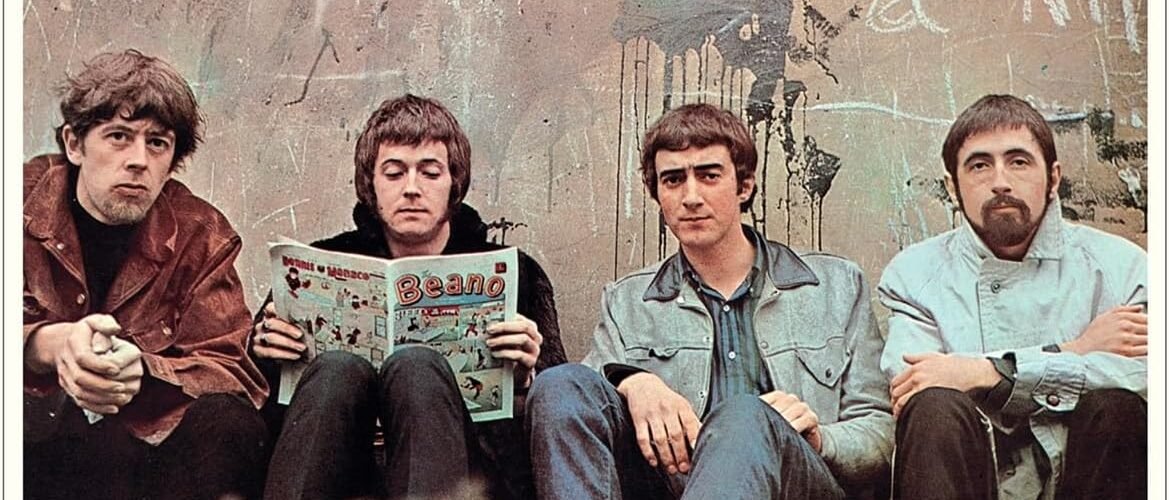
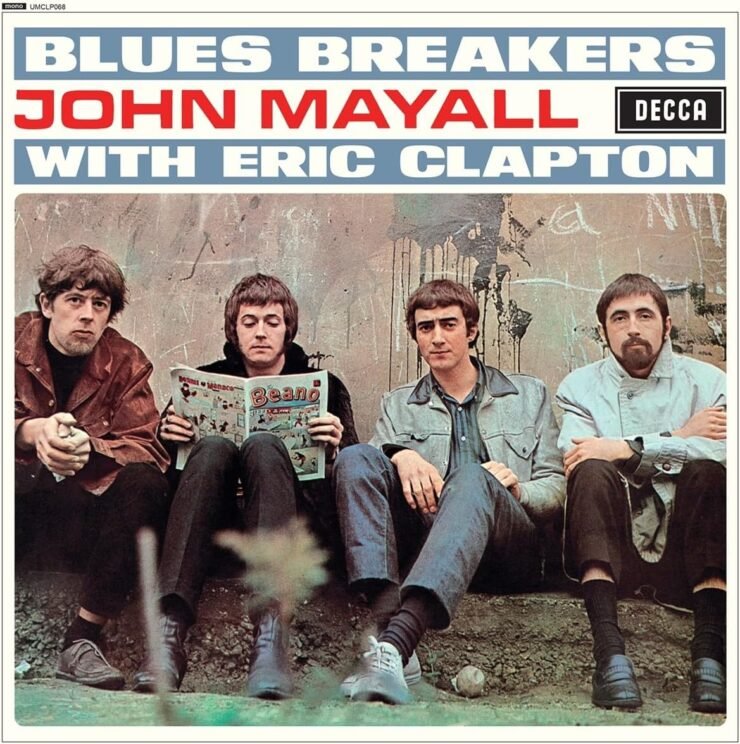
The band at the time was made up of Mayall himself, Clapton, John McVie, who would later be a member of a small band called Fleetwood Mac, and Hughie Flint on guitar. The majority of the Production and Engineering on the album was done by Mike Vernon and Gus Dudgeon. The album cover, while not especially notable, did give the album the colloquial name “The Beano Album”. It depicts the band sitting, looking into the camera, while a disinterested Clapton reads the English comic, The Beano.
The Sound Itself
This albums sound was powerful. Clapton guitar work features heavily and cuts through with its sharpness. The group were indeed paying tribute to the blues that came before, but infusing it with an energy and power that would become fundamental to both Blues and Rock ever since. Mayall’s vocals were crisp and clear, not overpowering Clapton, but shining alongside. Overall, this album became a blueprint for many others to follow.
“All My Love”
“All My Love” opens with an instantly compelling guitar riff, setting the tone before the band joins in. The guitar sound is immediately striking, with Clapton’s signature sharp, cutting, and unmistakably expressive tone. When the vocals arrive, they’re soft and restrained, blending beautifully with the guitar rather than competing with it. Throughout the song, the guitar almost mirrors the vocals, answering phrases with licks.
As the track develops, the guitar work becomes even more impressive. Controlled feedback, and a sharp overdriven tone mark this as a Clapton solo. The sound would go on to influence Hendrix, SRV and just about every other rock and roll group. Clapton’s treble heavy sound was intentional, and achieved with a guitar modification. The “Mid Boost” modification allowed him to achieve his unique and energetic tone.
Yet beneath it all you can still hear the foundations of a classic blues shuffle. Eventually it settles back into a slower groove, allowing the central guitar riff to take centre stage once again before closing on a perfect final note. It’s a fantastic opening track that immediately demonstrates the musical chemistry and expressive playing that was yet to come.
“Hideaway”
“Hideaway” is a blues classic, and this rendition shows exactly why Eric Clapton built such an extraordinary reputation as a guitarist. The same sharp, cutting guitar tone returns, with the instrument taking the lead role from the very beginning. While guitar was becoming a focus in Rock and Blues, very few had yet used it so effectively as Clapton. His technique was also entirely unique. The way he would bend notes was notably different from the original by Freddie King. While King would hit short bursts of notes and quick bends, Clapton held them and seemed to have even more control over the instrument. Behind him, the bass lays down memorable riffs while the drums provide the perfect complement.
The first guitar solo arrives early and is the kind of playing that makes you grin. Just when the song feels settled, the arrangement switches direction and changes again, constantly keeping the listener engaged. There are moments where the bass takes centre stage before another blistering solo arrives in the second half. By this point the guitar almost feels alive, delivering some powerhouse improvisation full of energy and personality. As the performance winds down, the band gradually fades away beneath Clapton’s continued improvisation, creating an ending that highlights not only his playing but also the exceptional musicianship of the entire group. It’s a definitive interpretation of the song.
“Ramblin’ on My Mind”
“Ramblin on My Mind” is one of the great blues standards, originally written by Robert Johnson. This version treats the song with genuine respect. Rather than reinventing the material, it serves as an affectionate homage, staying largely faithful to the original while allowing the musicians’ personalities to shine through. While this is an amazing way to show respect, Clapton would go on to cover “Crossroads” later in his career. In the cover of “Crossroads”, Clapton takes the other approach and really makes it his own. Both of these approaches are great, when they’re done well. Which, in this case, they certainly are.
The piano is especially beautiful throughout, reminding the listener just how powerful blues piano can be. Piano in jazz wouldn’t always be in the forefront, so it’s nice to see it get its turn. When the guitar enters, it doesn’t dominate the song, but instead adds texture and atmosphere, supporting the song rather than overshadowing it. We end up with a beautiful song that really respects its roots.
Final Thoughts
No one can deny this band their flowers. An absolute and unequivocal pinnacle of the genre which would go on to influence millions. This album was amongst the first I ever bought and it is still heavily in rotation, 60 years later.