

 Richard Bodin
I have always been fascinated by the year 1967. So many legendary albums came out that year. But none of it would have happened without all different choices and changes that occurred in 1966. There were societal changes of course, new psychedelic drugs, and new technological evolutions opening so many exciting perspectives… Just as importantly, artists were making bold decisions that would reshape the musical landscape for decades to come.
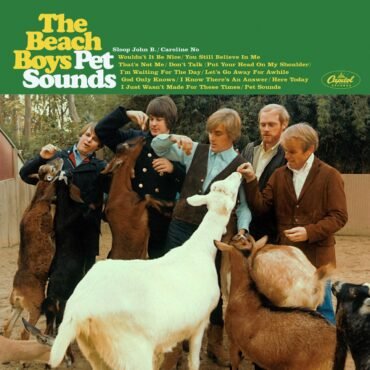
It is in such context that Pet Sounds, and Revolver were created. And without these two groundbreaking albums full of promises and new possibilities, I can hardly imagine this creative peak that saw Sgt Pepper’s Lonely Hearts Club Band, and many other defining masterpieces change popular music forever. As Revolver is celebrating its 60th anniversary, let’s dig in.
A Band in Transition
In the early days of 1966, The Beatles enjoyed a well deserved break for a few weeks, after years of non-stop touring and recording. Their last record to date, Rubber Soul, already marked a clear evolution. While the album was still tackling the usual subjects of romance, it was approached with much more maturity and complexity. On top of that, the album was much more cohesive, conceived with a clear artistic arc rather than a mere collection of songs. It sure did a strong impression on Brian Wilson who was decided, after listening to it, to make the greatest album ever recorded.
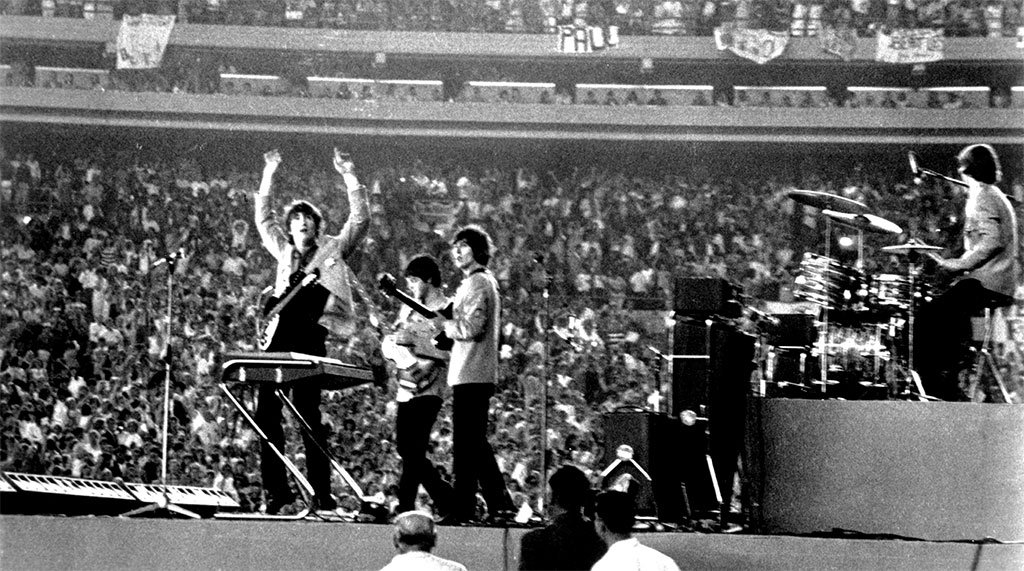
Just like Brian Wilson, The Beatles were growing more and more disillusioned by fame. Sure it was good to be loved and all… But playing every night in front of crowds screaming louder than the music was exhausting. It was to the point that the band could have been — and actually were— playing anything on stage that the audience wouldn’t be able to tell the difference.
Time for a change
At this point, the Fab Four knew that any artistic purpose was only to happen in the studios. Each individual Beatle was yearning for change, and experimenting with new ideas. Paul McCartney was fascinated by the emergence and possibilities of electronic music. George Harrison was deepening his spiritual journey, while exploring Indian music.
Meanwhile John Lennon had discovered LSD during a party with George Harrison and their respective wives at dentist John Riley. As they were about to leave, Riley insisted on them finishing their coffee, only to tell them after the fact that he had it dosed them with LSD. At first outraged at the idea, Lennon’s perspective would change by the end of the acid trip. He would later devour “The Psychedelic Experience: A Manual Based on the Tibetan Book of the Dead” by Timothy Leary, Ralph Metzner and Richard Alpert.
The Right Man at the Right Time
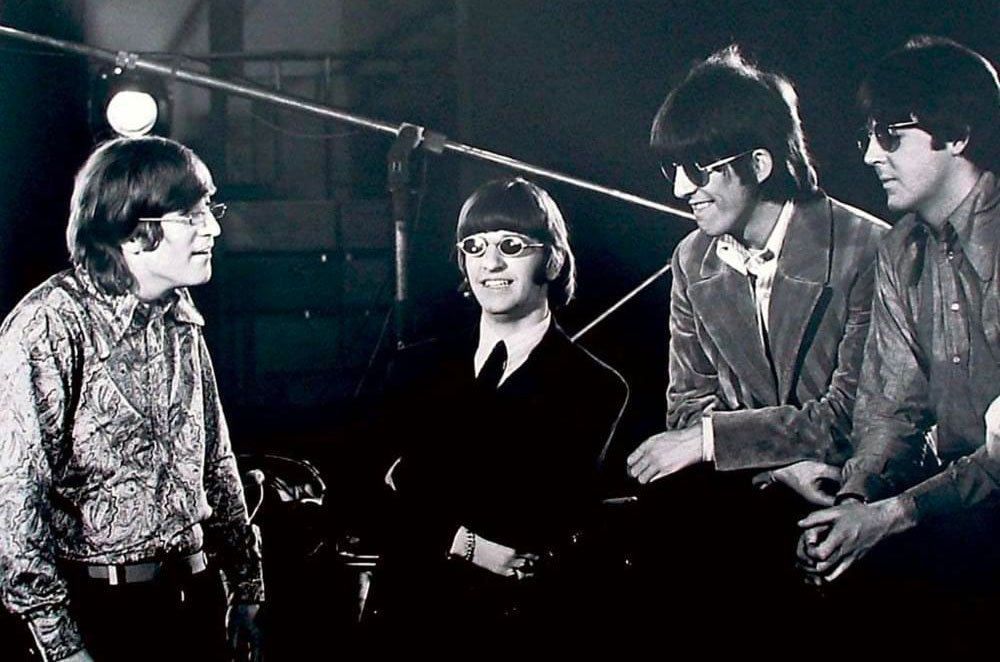
When the Beatles made it to Abbey Road on 6th April 1966, they had not yet really worked on any new material in some pre-rehearsal session… Each of them came in with ideas ready to develop directly in the studio. There had been some change in Abbey Road however. Norman Smith, who had been their dedicated sound engineer up until now, had recently made the move to producer —notably with a young band called Pink Floyd. He was actually eager to do so as he was growing less comfortable with the increasing demand for innovation by The Beatles.
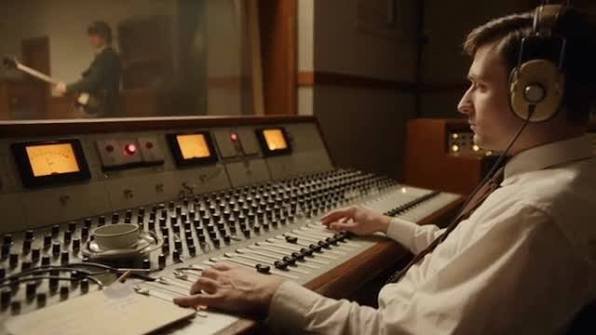
Enters Geoff Emerick, twenty-years old, chosen by George Martin to take over after Smith. Emerick wasn’t a new face for the band though. Since he was sixteen, he had been working in the studio as one of Smith’s recording assistants. The young engineer was terrified at the idea of engineering the new album by the biggest band on the planet. Yet his relative inexperience —or perhaps more importantly: his willingness to ignore convention and embrace new ideas— was exactly what the Beatles needed.
Tomorrow Never Knows
The first track of these sessions was one of John’s: “Mark I”. It would later be known as “Tomorrow Never Knows” as Lennon chose to use one of Ringo Starr’s odd remark during an interview. It may not be the album’s best-known song, but it remains one of the most remarkable recordings The Beatles ever made. Lyrically the song is heavily influenced by Lennon’s experience with LSD guided by Timothy Leary’s book. Musically, it is every bit as much psychedelic as the acid trip itself.
But the most important, here, is the production. Beyond the hypnotic rhythmic and droning sitar, there is some much happening. The Beatles all had their own Brenell tape recorders to experiment at home. They used them to record anything and everything. Probably inspired by the experimentation in Musique Concrète, they would bring the tapes to the studio to tinker with and develop the song. With Emerick’s help, these loops were transferred onto multitrack tapes, where the engineer would be, in his words, “playing the faders like a modern-day synthesiser.”
Breaking the Rulebook
During these early sessions, Geoff Emerick would display new techniques to the Beatles. For instance he would introduce them to Automatic Double Tracking, a tape delay effect that would simulate the sound of double-tracked vocals, without Lennon having to sing the same part twice. For John Lennon —who hated recording his vocals more than necessary— that was gold. He also experimented by playing Lennon’s vocals in a rotating Leslie speaker, creating a very psychedelic swirling effect. The Beatles were impressed by these new techniques and the can-do attitude of the young engineer.
Later, as the recording sessions progressed, John Lennon accidentally played a tape backwards. He had brought home a spool of tape from the studio, but didn’t realise the tape was tails out. When he eventually played, it came out backward. Although it wasn’t a new technique, he was impressed by how his piece sounded and wanted to use it. He came back to the studio the next day to share his discovery with the rest of the band. The Beatles quickly embraced the effect, using it as another creative tool. George Harrison spent hours playing his guitar so that it would come out in a very specific way when played backwards for “I’m Only Sleeping”.
Everything is fair game
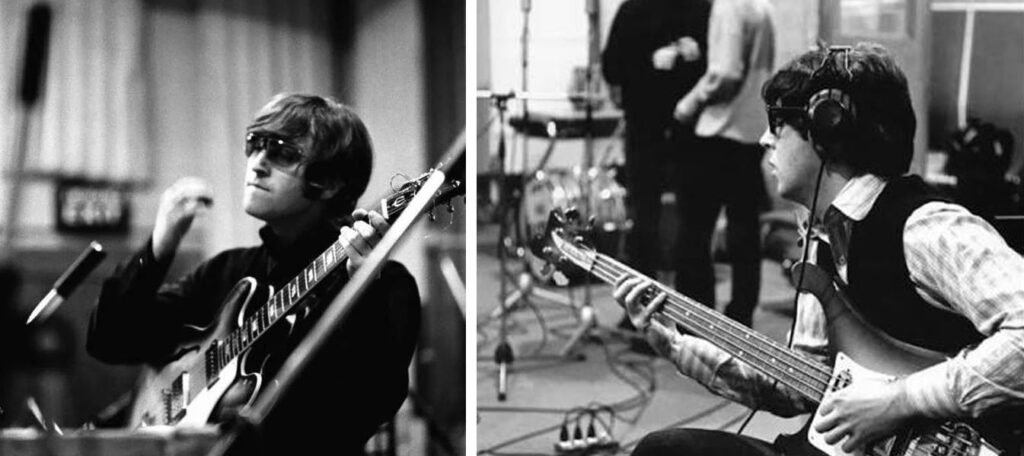
By the end of the recording sessions, The Beatles were experimenting everything they did through the Leslie, played backward, slowed down or sped up. Everything was fair game. They were not even a bit worried that it would not be remotely possible to reproduce it on stage. They were caught in an exciting artistic process, ’til the very late hours of night. Looking back decades later, Geoff Emerick remembered just how exhausting those sessions had become.
We were having a good time, but because we were constantly trying new things, it was also a lot of hard work. In fact, my strongest memory of those sessions is how utterly draining they were. Most EMI sessions weren’t allowed to run past 11 pm, but The Beatles were big enough by then that all the rules went by the wayside. They could work as late or as long as they wanted to – and we had to be there with them the whole time.
Geoff Emerick
What The Beatles were doing was a gamble. They stopped worrying about what audiences expected of them and focused solely on what could be achieved in the studio. Tape loops, Leslie speakers, backwards recordings, and manipulated tape speed were all commonplace in the avant-garde, but almost unheard of in mainstream pop. Revolver changed that. Of course, none of this would have been possible without George Martin‘s openness to ideas that many producers would simply have dismissed. These techniques would soon become part of the vocabulary of popular music, adopted by countless artists over the following decades.
Expanding the Lyrical Horizon
Musical innovation is not the only major change for The Beatles with Revolver though. We can’t leave out the lyrics, and the thematics on the album. When it comes to The Beatles so far, most song on every of their album are about some form of romantic relationship. The eternal pop song format about love, courting, or heartbreak… But on Revolver, the Beatles observe a major shift.
Political satire
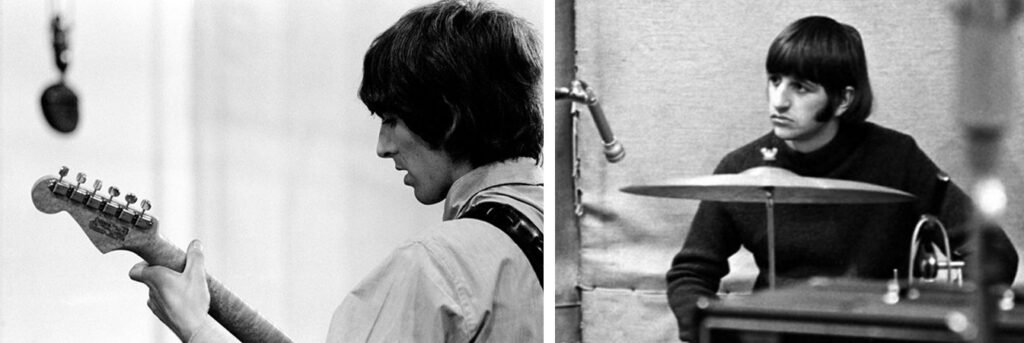
We all knew that The Beatles had a good sense of humour, very tongue-in-cheek. They would even sometimes aim it towards the establishment. Like this time John Lennon quipped at the wealthy patrons at the Royal Variety Show in 1963 —including the Queen Mother and Princess Margaret— to “rattle their jewellery” while the lower class would simply clap their hands. But they had never had been political like this in a song. Until George Harrison‘s fantastic “Taxman”.
Of course, now The Beatles are the rich guys expected to pay heavy taxes. It kinda comes as a shock when on their income, past the US tax and customs, goes through the British taxation system, losing a large part to the revenue. Harrison’s song is written with a lot of satire impersonating the taxman. “Should five percent appear too small / Be thankful I don’t take it all” he starts, before embracing the ridicule of the situation with “If you get too cold / I’ll tax the heat / If you take a walk / I’ll tax your feet”.
Loneliness, Imagination and Escape
Opening the album with this song is a major statement. The Beatles are changing. The rest of the album goes on to confirm it. Any subject is available and with their talent, a world of possibilities. Take the next song on the album for example: “Eleanor Rigby”, one of Paul McCartney’s best efforts complemented by wonderful strings arrangements. Beyond the exceptional storytelling involving two ordinary people with ordinary dreams, this song is a poignant tale about loneliness.
If “Eleanor Rigby” dealt with one of life’s darkest emotions, “Yellow Submarine” offered its complete opposite. With its childlike lyrics, playful melody and imaginative sound effects, Ringo Starr’s singalong became one of the album’s most enduring songs. Yet, according to Donovan—who spent time with the Beatles during this period and even contributed to the song—the yellow submarine symbolised the band’s own experience of fame. Forced to live increasingly secluded lives, they found themselves existing in a world apart, almost cut off from everyone else. In that sense, the submarine became a refuge from Beatlemania.
Psychedelic influences
One of the main topic of inspiration seems to be related to happy substances… Most of Lennon’s songs on the album are related to his psychedelics experience. “Tomorrow Never Knows”, as we already established is a journey of transcendence based on “The Psychedelic Experience”, while “I’m Only Sleeping” describes an acid trip. And “She Said She Said” is based on a conversation Lennon and Harrison shared with Peter Fonda, all under the influence of LSD, where the actor shared his experience with death during an operation as a child.
For the first time, George Harrison contributes more than one or two songs to the album. Beyond “Taxman”, all his contributions were also inspired by the use of psychedelics. Through them, he continues to explore the themes that increasingly fascinated him. While “Love You To” embraced Indian textures and philosophy, “I Want to Tell You” dealt with the difficulty of expressing thoughts and emotions—an idea that resonated strongly with the expanded consciousness brought about by psychedelics.
Paul McCartney wasn’t into LSD —yet…— but he too contributed a song. Although “Got To Get You Into My Life” often comes out as a song about love, the Beatle later revealed that it was in fact about pot. The band had been introduced to it by Bob Dylan during the summer 1964, and had already heavily influenced the creation of Rubber Soul.
The Art of Revolver
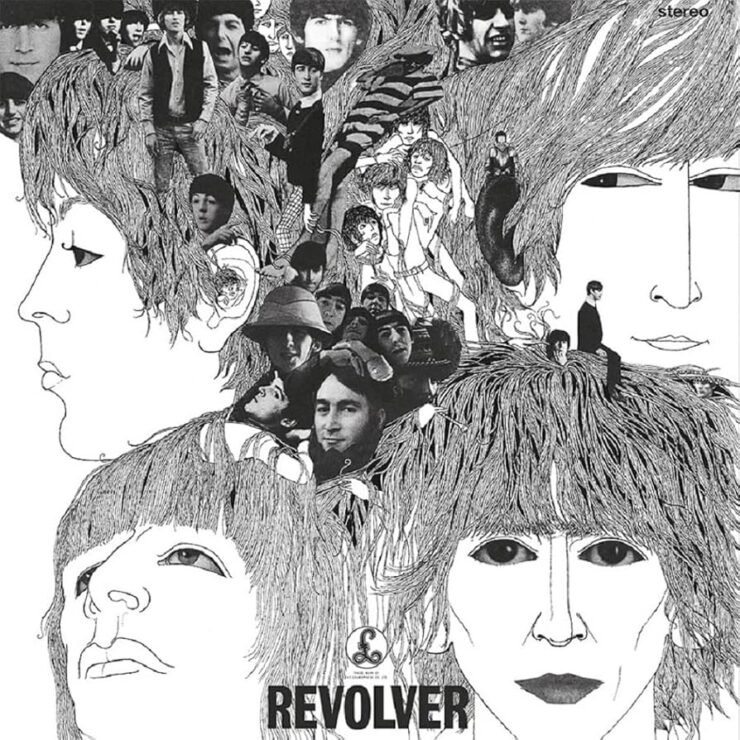
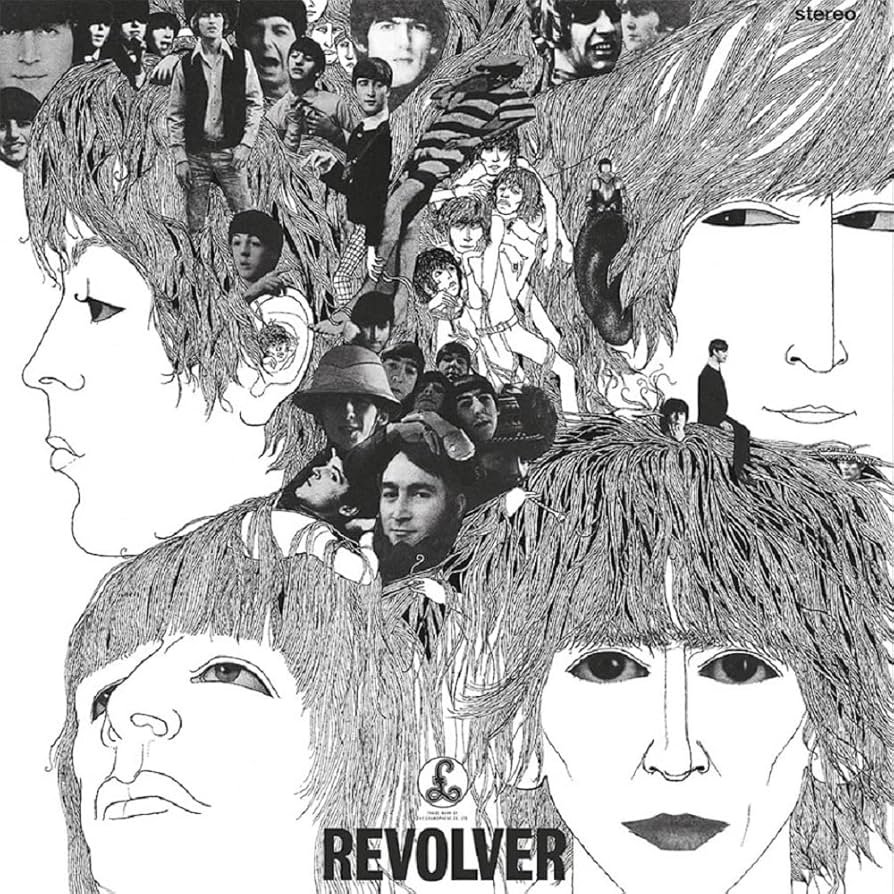
Curiously, with such a psychedelic leaning, the album was wrapped in black and white. Which brings us to another revolution from the band. Up until then all their album covers features a simple picture of the band, all smiling, in bright colours. For Revolver, however, the group turned to Klaus Voormann, a friend from their Hamburg days.
After listening to the tracks in the studio, he was impressed —especially with “Tomorrow Never Knows”. This band was venturing into completely new territory, into the future even. So he had to come up with a cover that would reflect such a change. He ended up drawing their portraits, with a lot of hairs, and completed it with a collage of photographs showing the band’s evolution. For the first time, the cover did not feature the name of the band. In a period where bright colours were the norm, the monochrome cover and its title stood out on the record stores shelves.
The album’s title reflected its spirit perfectly. After considering dozens of alternatives—including Abracadabra, Pendulums and Beatles on Safari—the band eventually settled on Revolver. On the surface it referred to a record revolving on a turntable. But it also hinted at something else: a revolution. Looking back, it is hard to imagine a more fitting title.
The Last Tour
Ironically, despite creating music that could scarcely be reproduced live, the Beatles still had one last tour to complete. Imagine the difficulty of going back to screaming crowds to play fans favourite like “Twist And Shout” or “Love Me Do”, after recording material not “Love You To” or “Tomorrow Never Knows”. And to top things up, the tour didn’t go too well for the Fab Four.
In the Philippines, a refusal to attend a garden party thrown by First Lady Imelda Marcos in their honour sparked public outrage. After leaving Manila under threats, the band headed to America where more trouble was waiting for them. A few comments about segregation by Paul, but mostly John’s comment about the band being “more popular than Jesus” a few months back, had resurfaced and were causing uproar. Some radio stations banned them, extremists proceeded to burn their records, and death threats were a genuine concern. When the band finally came back home, they were shook beyond belief.
Back in England, George Harrison went on to regret: “I am not a Beatle anymore”. His feeling was shared by the rest of the band. Not that they wanted to end The Beatles, but they had come to the conclusion that they were done touring. They had grown tired of that Beatlemania, and wanted to embrace the feeling of artistic freedom they felt back in Abbey Road while recording Revolver.
A triple revolution
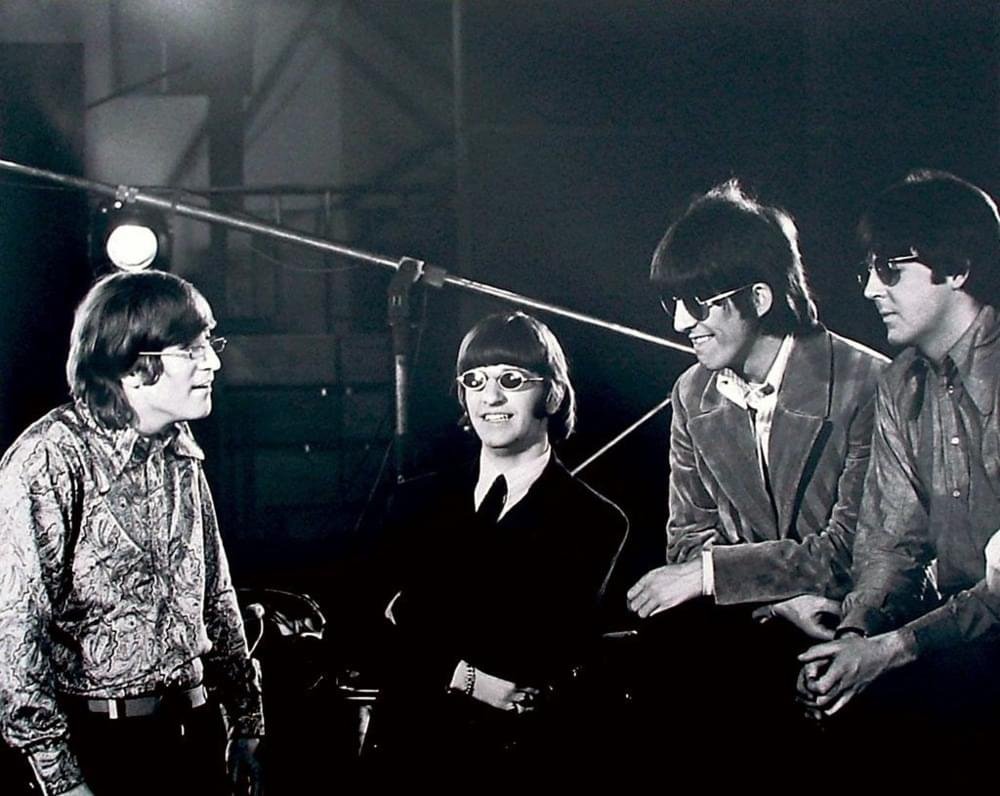
In the end, Revolver was a success. Even in America. It was indeed a triple revolution. They had dramatically changed their approach to recording music, and had expanded their horizons when it came to lyrics. But most importantly The Beatles were no longer the mop-topped quartet for starry-eyed girls.
For some fans, this was the moment when “the Beatles started being weird”. But if being weird is being true to oneself, ignore the public’s expectations, and embrace experimentation… It is a revolution worth a shot. And by doing so, along with Brian Wilson‘s own revolution, The Beatles shook the foundation of pop music, getting ready for an overwhelmingly creative peak in 1967. The Beatles and The Beach Boys sparked inspiration to countless other bands and artists.
They had just opened the door. This was only the beginning.