 Richard Bodin
To celebrate Bastille Day, we decided to come up with a little special playlist… One that reflects the spirit of the day. It celebrates not only this historical day that kickstarted the French Revolution and so many more changes. French people are notorious for being hard to govern with protest and strikes almost becoming part of the national identity. They have a long tradition of political debate. Naturally, music has always been one of the places where that rebellious spirit finds a voice.
But le 14 Juillet is not just about revolution. It is above all a celebration of French culture, bringing people together through parades, fireworks, dancing, and music. So, alongside songs infused with that rebellious spirit, we’ve also included a few festive tunes that capture the many faces of France. So let’s share the spirit of the day in music.
“Ca Ira”, by Edith Piaf
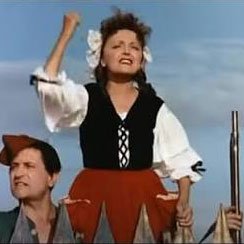
Let’s start with “Ça Ira” with Edith Piaf, probably the most famous famous French voice in the world. We are far from “La Vie En Rose” here, as she is singing her own version of a famous revolutionary song from 1789.
The people of Paris were marching to the chant of “Ah ça ira, ça ira / Les artistocrates a la Lanterne / Ah ça ira, ça ira / Les aristocrats on les pendra”. (Ah it’ll be fine / The artistocrats to the lantern / Ah It’ll be fine / The Artistocrats, we’ll hang them dead”). Charming eh ? Edith Piaf recorded this song originally for Sacha Guitry’s movie “Si Versailles m’était conté…” where she is doing a cameo as the lady leading the crowd, hanging to the gates of Versailles Palace, singing the song. A delight.
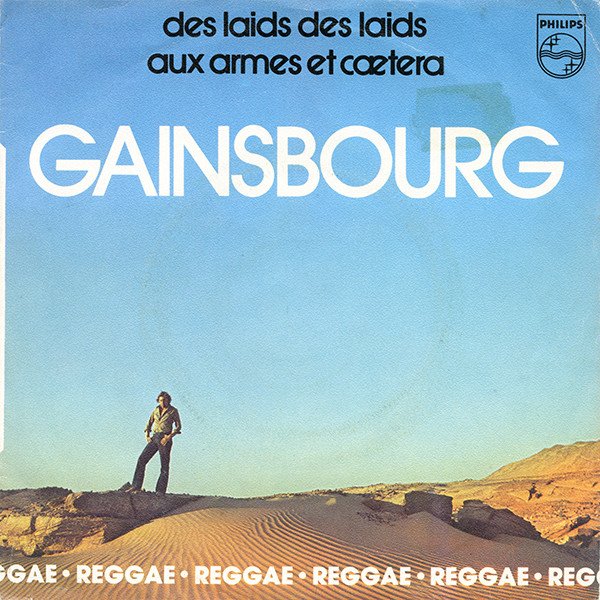
“Aux Armes, et cætera”, by Serge Gainsbourg
In 1979, Serge Gainsbourg travelled to Kingston, Jamaica, to record Aux Armes et Cætera with reggae legends Sly & Robbie and the I Threes, Bob Marley‘s backing vocal trio. At the heart of the album was a daring reggae reinterpretation of “La Marseillaise”, France’s national anthem.
The reaction in France was explosive. Many accused Gainsbourg of desecrating a national symbol, leading to protests, threats, and cancelled concerts. Yet Gainsbourg insisted he had done the opposite, famously declaring: “I am a dissenter who gave La Marseillaise back its original meaning.”
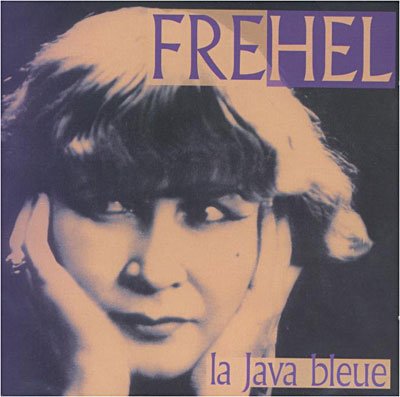
“La Java Bleue”, by Fréhel
If Edith Piaf is the most famous french voice on the world stage, Fréhel is one of the most famous of the capital. Fréhel represents another France, one of smoky cafés, popular neighbourhoods, and the golden age of Parisian chanson. Fréhel was singing dramatic stories with the authenticity of a strong women who lived through similar stories herself.
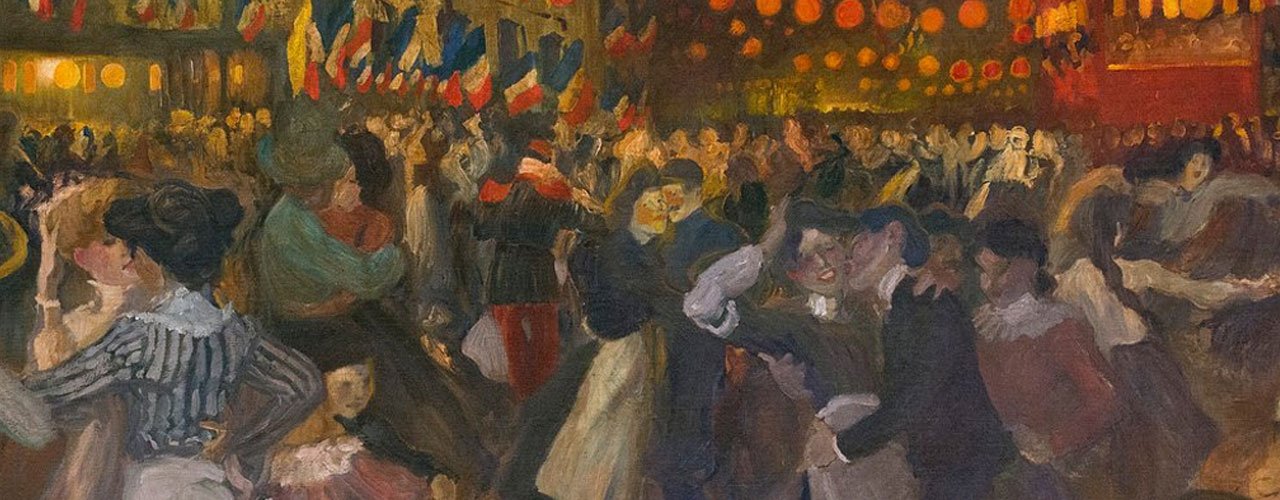
Released in 1939, “La Java Bleue” celebrates the java, a dance born in the working-class districts of Paris. Behind its romantic melody lies a portrait of a disappearing world. One of guinguettes, popular dance-halls and late night cafés enjoyed by the popular class of Paris crowded dance halls. A France where music was a central part of everyday life. A beautiful glimpse of the popular culture that shaped French identity.
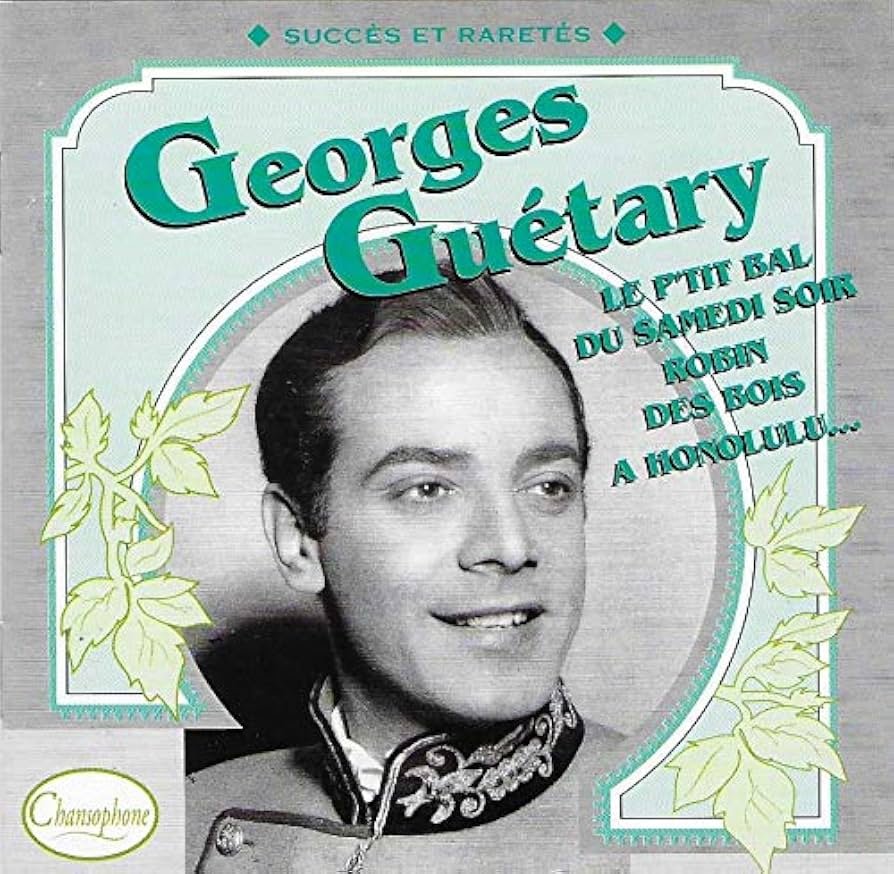
“Le Petit Bal du Samedi Soir” , by Georges Guétary
After revolution and rebellion, let’s celebrate another essential part of French culture: the simple joy of coming together. With “Le Petit Bal du Samedi Soir”, Georges Guétary captures the atmosphere of the guinguettes, where people gathered every weekend to dance, flirt, and forget their worries. The song is simple, light and fresh. Like a nice like wander through the streets of Montmartre on a summer saturday night. The air is filled with music and love, eyes are glistening, bodies embracing…
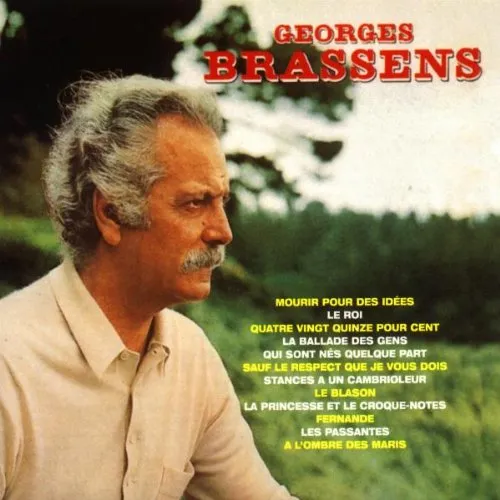
“Mourir pour des idées”, by Georges Brassens
After the revolutionaries and the provocateurs, let’s move to one of France’s greatest poets: Georges Brassens. Often associated with anarchism, Brassens was less interested in political slogans than in defending individual freedom. He took pleasure questioning authority, and mocking those who claimed to have all the answers.
Released in 1972, “Mourir pour des idées” (Dying for Ideas) is a perfect example of his ironic approach. Over a deceptively gentle melody, Brassens questions the obsession people have with sacrificing themselves for causes and ideologies, reminding us that ideas are made by humans. And the leaders of such ideologies rarely are the one dying for them, always convincing others to do so to further their plans.
A timeless piece of anti-dogmatism from a free spirit who preferred freedom of thought over any kind of imposed truth.
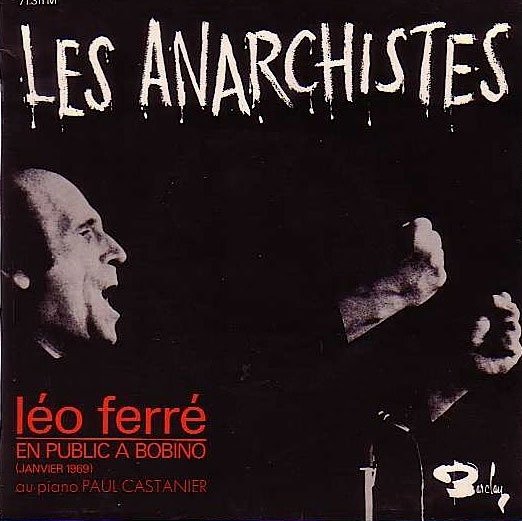
“Les Anarchistes”, Leo Ferré
If Brassens was the gentle anarchist, Léo Ferré was the firebrand. A poet, composer, and lifelong rebel, Ferré never hid his admiration for anarchism. He spent his career challenging social conventions, institutions, and authority.
Released in 1966, “Les Anarchistes” is both a tribute and a portrait of a misunderstood movement. Rather than presenting anarchists as violent outsiders, Ferré describes them as dreamers and idealists, people fighting for a different vision of society. Despite the fact that history often reduced them to a caricature.
With his dramatic voice and orchestral arrangements, Ferré turns the song into something closer to a manifesto: passionate, poetic, and unmistakably rebellious.
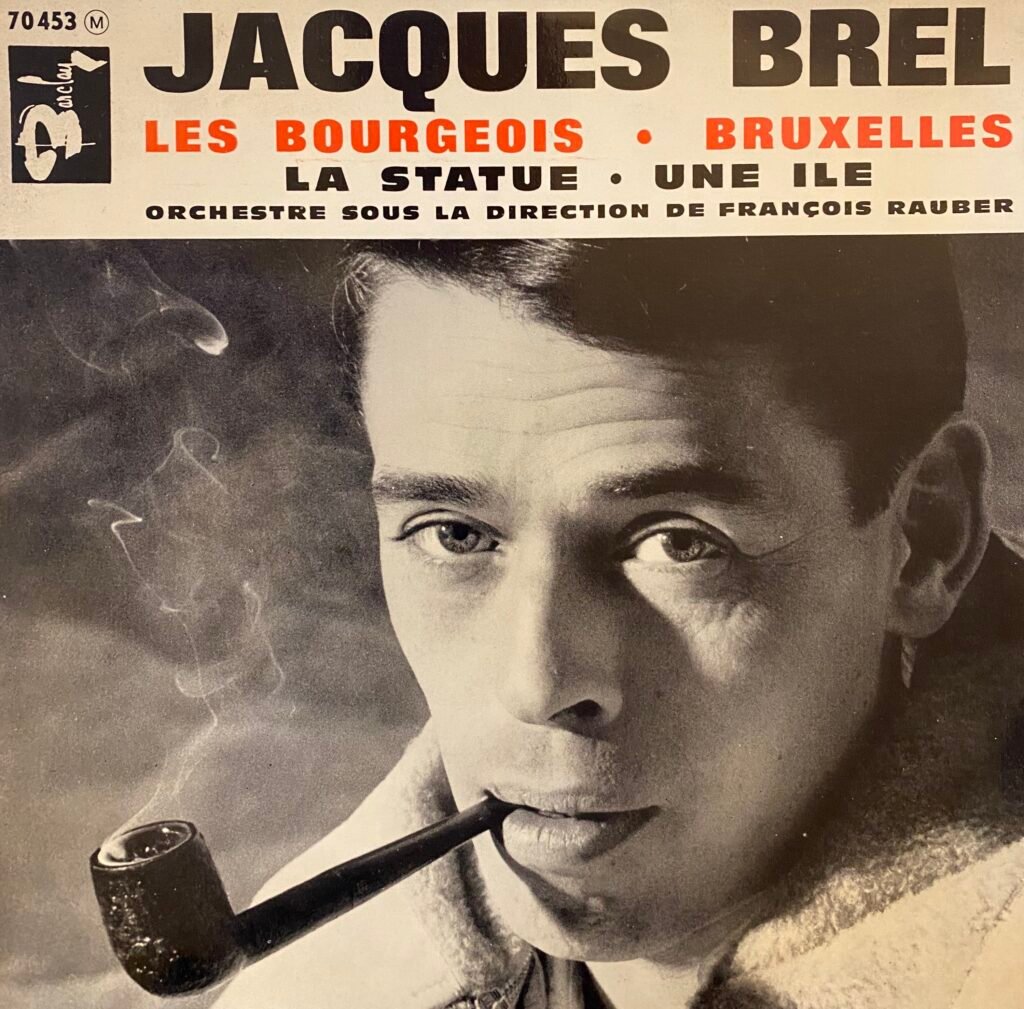
“Les Bourgeois,” by Jacques Brel
Let’s finish the famous Francophone modern poets triad with Belgian Jacques Brel. Along with his contemporary Brassens and Ferré, Brel shared the same love for music, poetry and politics. He was an excellent songwriter and poet, doubled with an impressive performer. He would famously finish his shows exhausted, barely able to stand as he was injecting everything he had into living and enacting his songs on stage.
“Les Bourgeois” is a fantastic piece of storytelling, and satire. The song follows three friends looking at the bourgeoisie with disdain and making fun of the rich people, only to grow into being part of it as they grow older and climb the social ladder.
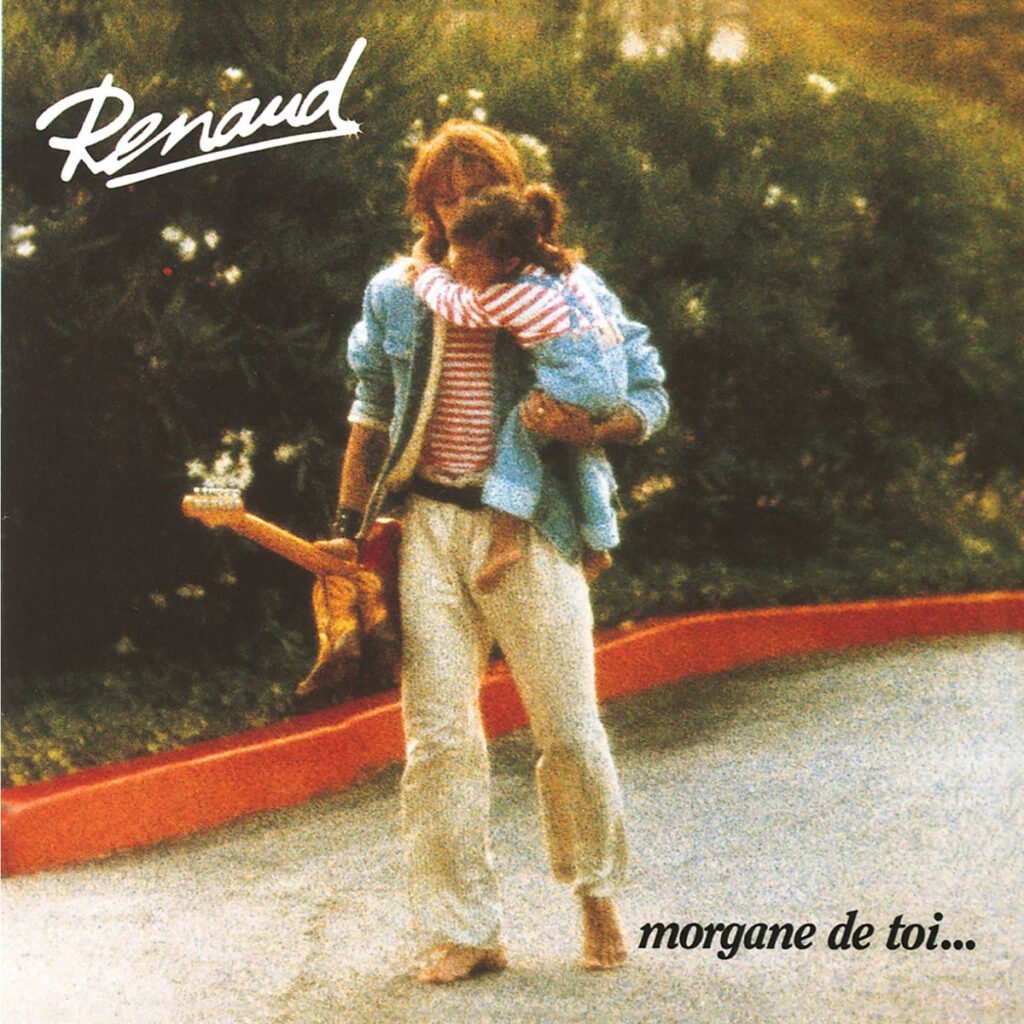
“Dès Que Le Vent Soufflera”, by Renaud
After Brassens, Ferré and Brel, let’s continue with one of their greatest heirs: Renaud. Brassens one paid him tribute by saying he was doing “Verlaine’s job with words from the public house”. A poet of everyday France, he became one of the country’s most beloved songwriters by mixing humour, social commentary and a deep love for ordinary people.
Released in 1983, “Dès que le vent soufflera” celebrates the dream of escaping, leaving everything behind, and following the call of the sea. Behind its joyful melody is a timeless desire for freedom.
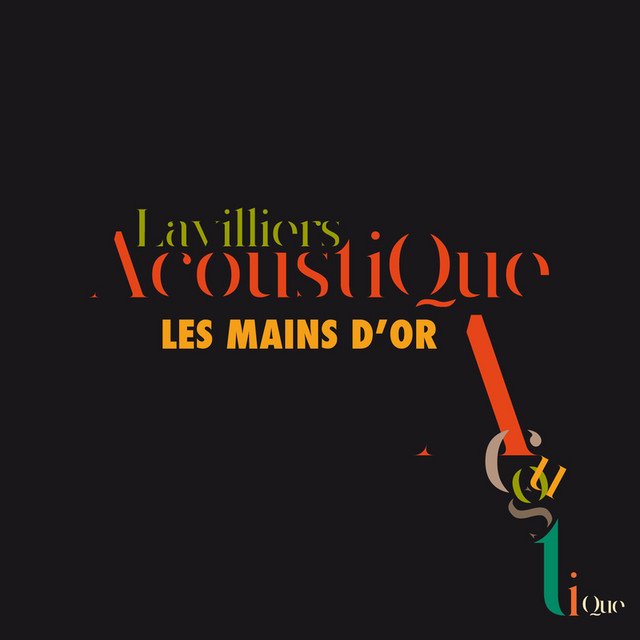
“Les Mains d’Or”, by Bernard Lavilliers
If Brassens and Ferré questioned society through poetry, Bernard Lavilliers brought that rebellious spirit into the world of work and global struggles. A traveller, writer and songwriter fascinated by social movements around the world, Lavilliers has always given a voice to those often left behind.
Released in 2001, “Les Mains d’Or” tells the poignant and universal story of a worker made redundant. Lavilliers pictures these hands that have spent a lifetime building things, only to see their factory disappear and skills becoming worthless in a changing economy. A powerful tribute to the dignity of labour and the people who built the modern world.
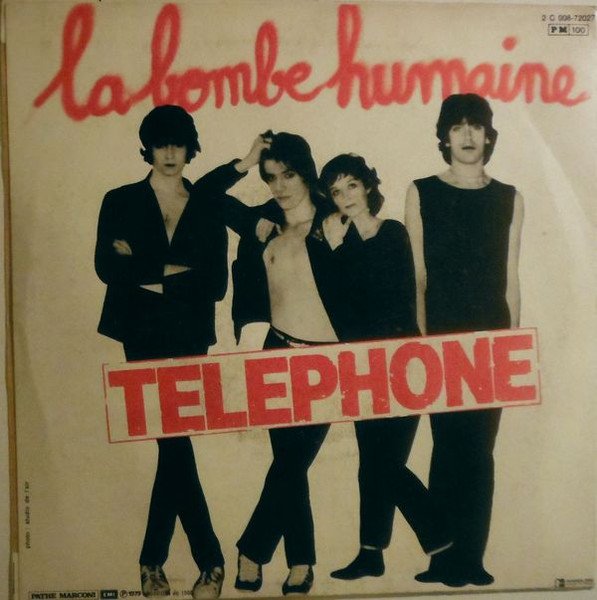
“La Bombe Humaine” , by Téléphone
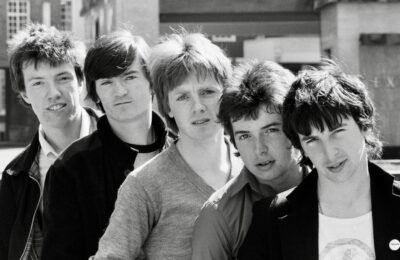
In 1977 Téléphone brought a new energy to the country’s music scene. Mixing punk attitude with classic rock influences, the band captured the frustrations and anxieties of a generation facing a rapidly changing world. Released in 1979, “La Bombe Humaine” is about being in control of one’s own life. “La bombe humaine, c’est toi, elle t’appartient / Si tu laisses quelqu’un prendre en main ton destin / C’est la fin” (The Human Bomb is you, it belongs to you / If you let anyone in charge of your destiny / this is the end”. Beyong the political angle of the election, the song is about people needing chemical support to be able to be productive members of society grinding them. A message that doesnt get old.
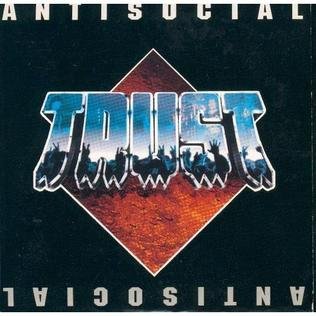
“Antisocial”, by Trust
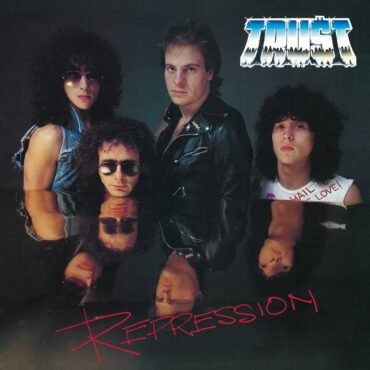
With much more punk energy than Téléphone, Trust brought the anger of punk and hard rock into the mainstream. Released in 1980, “Antisocial” became an anthem for a generation frustrated by hypocrisy, authority and a society that seemed increasingly disconnected from its people. With its unforgettable riff and furious chorus, the song remains one of the biggest rebellion anthems in French rock history. A good public party is never truely complete without playing “Antisocial” and everybody joing in a singalong.

“Un Jour En France”, by Noir Desir
Through the 1990s, Noir Désir was the leading alterntve rock act in France. The band could balance poetry, and political message in a clear line with the tradtion of the like of Ferré or Renaud.
Released in 1996, “Un Jour En France” is a sharp portrait of a country struggling with social tensions, political disappointment. At the times, the Front National was reaching scores in national election never reached before —sadly well shattered by now… It captures the frustration of a generation looking at France and questioning its direction. Another song that never gets old.
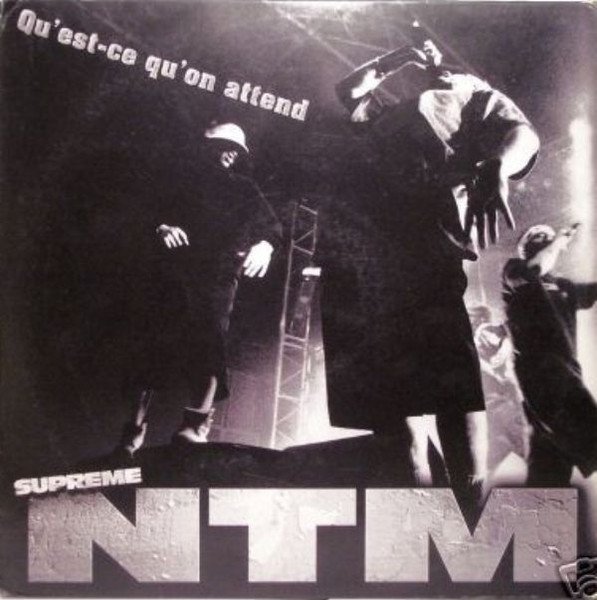
“Qu’est ce qu’on attends”, by NTM
In the 1990s, French protest music found a fresh voice through hip-hop. The issues NTM addressed were not abstract political debates, they were the reality of everyday life in the suburbs.
“Qu’est-ce qu’on attend pour foutre le feu ?” reflects the frustration of a generation feeling ignored by political institutions and left behind by social changes. The song captures tensions around inequality, identity and the relationship between France and its younger generations. The song federated young people beyond social class boundaries and became one of the most emblematic anthem of a generation.
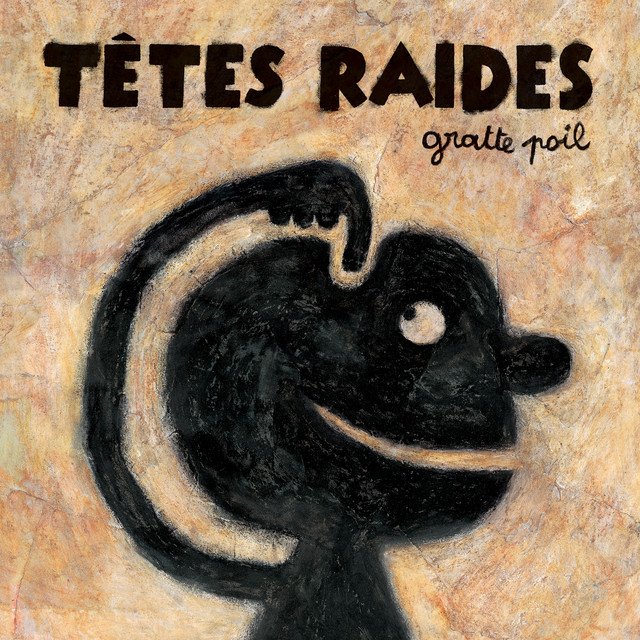
“L’Ididenté”, Les Têtes raides
Les Têtes Raides created one of the most distinctive sounds in French music, blending punk rock with java, the traditional Parisian dance style. The result is both festive and rebellious. Like Noir Désir, with whom they collaborated on this song, they inherited the great tradition of French chanson by combining poetry with political commentary.
“L’Ididentité“ is impossible to translate because its title is a neologism, a playful reinvention of the French word identité (“identity”). Released at a time when debates about “national identity” and the deportation of undocumented migrants dominated the headlines, the song challenges narrow definitions of what it means to be French.
Its most memorable line sums it up perfectly: “Que Paris est beau quand volent les oiseaux / Que Paris est laid quand il se croit français” (“How beautiful Paris is when birds are flying / How ugly Paris is when it thinks it is French”). A poetic reminder that identity is strongest when it remains open rather than exclusive.
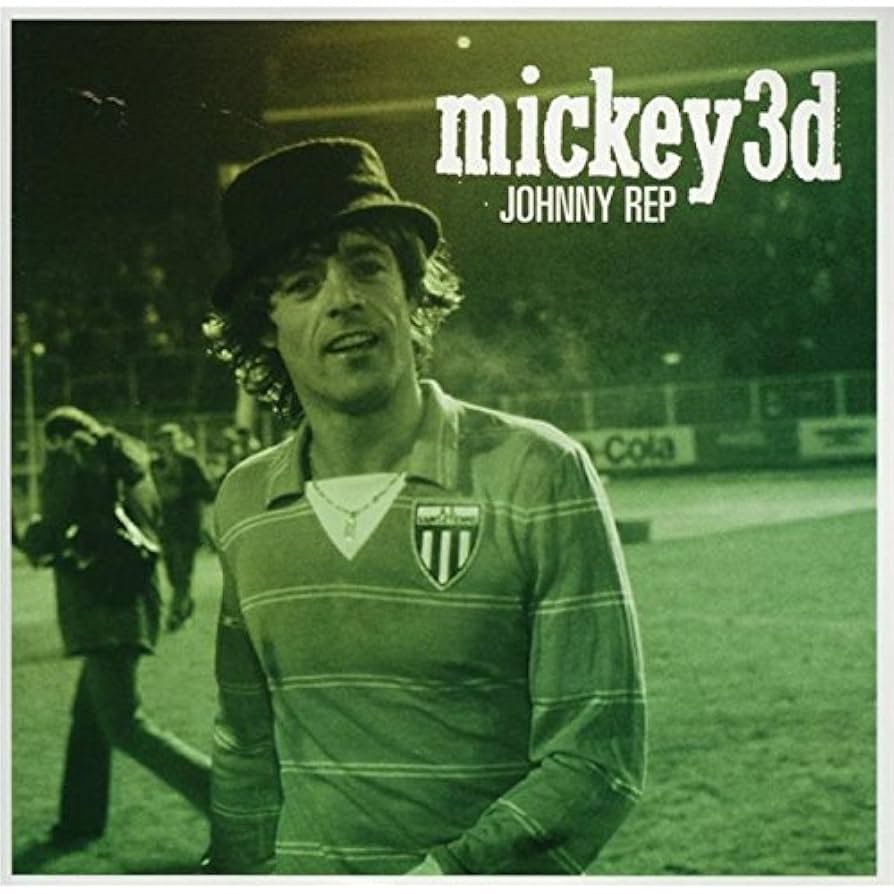
“Johnny Rep”, by Mickey 3d
And because France is playing in tonight’s World Cup semi-final, let’s celebrate football—and not soccer.
Mickey 3D hails from Saint-Étienne, a city fiercely proud of its football club, AS Saint-Étienne, better known as Les Verts. The song pays tribute to one of the club’s greatest European nights. Dutch striker Johnny Rep scored a hat-trick against Widzew Łódź at the legendary Stade Geoffroy-Guichard, nicknamed Le Chaudron (“The Cauldron”).
To make the song even more authentic, the band couldn’t obtain the original match commentary. Instead, they invited the journalist who had covered the game to recreate his famous closing words for the recording. A perfect tribute to one of the greatest moments in French football history.
“L’Hymne De Nos Campagnes”, by Tryo
Not every revolution is about social justice or struggle of the classes. Sometimes it is about protecting the planet we live in. With “L’Hymne de nos campagnes“, Tryo brought environmental concerns into the heart of French popular music, with delicious and refreshing reggae vibes. Released in the late 1990s, the song celebrates a simpler relationship with nature while questioning modern lifestyles and unchecked development. A reminder that every generation has its own battles, and today one of the biggest is the future of our planet.
“Moustache Gracias” by Deluxe
To finish on a lighter note, Deluxe represents another side of modern French culture: creativity, humour and the freedom to mix everything together. Combining funk, hip-hop, jazz and electro influences, the band embodies a younger generation less interested in musical boundaries.
With its infectious energy and playful spirit, “Moustache Gracias“ is a celebration rather than a protest. A fantastic way to close this playlist and Thanking you very much for your attention…