 Ronan O'Brien
The Artificial Intelligence Era is well and truly here. While AI-powered models and tools are incredibly useful resources for countless industries, the general consensus is that AI should have a place in the artistic world. Unfortunately, this seems to be a growing trend of late, especially for album covers.
Judging a Book by its Cover
Back in the days of yore, physical media was the only way to play music on demand. A much simpler time, there was no streaming, no multimedia conglomerates massively underpaying artists and most importantly, music was a pure art form. While I was born a couple of generations later, I still remember the days of heading to a music shop for that new CD, or even for tickets to a gig. While physical media is thankfully making a comeback, many music retailers are turning into merchandisers rather than traditional record stores. But anyways, that’s a rant for another day.
The picture I’m trying to paint is that music stores are like book stores. A walk through the aisles will greet you with art pieces expressing themselves to anyone willing to look. They help us form impressions of the artist and perhaps even serve as a visual reminder for their music. As well as this, album covers were created to distinguish one album from another, replacing the plain cardboard or paper sleeves that were the norm.
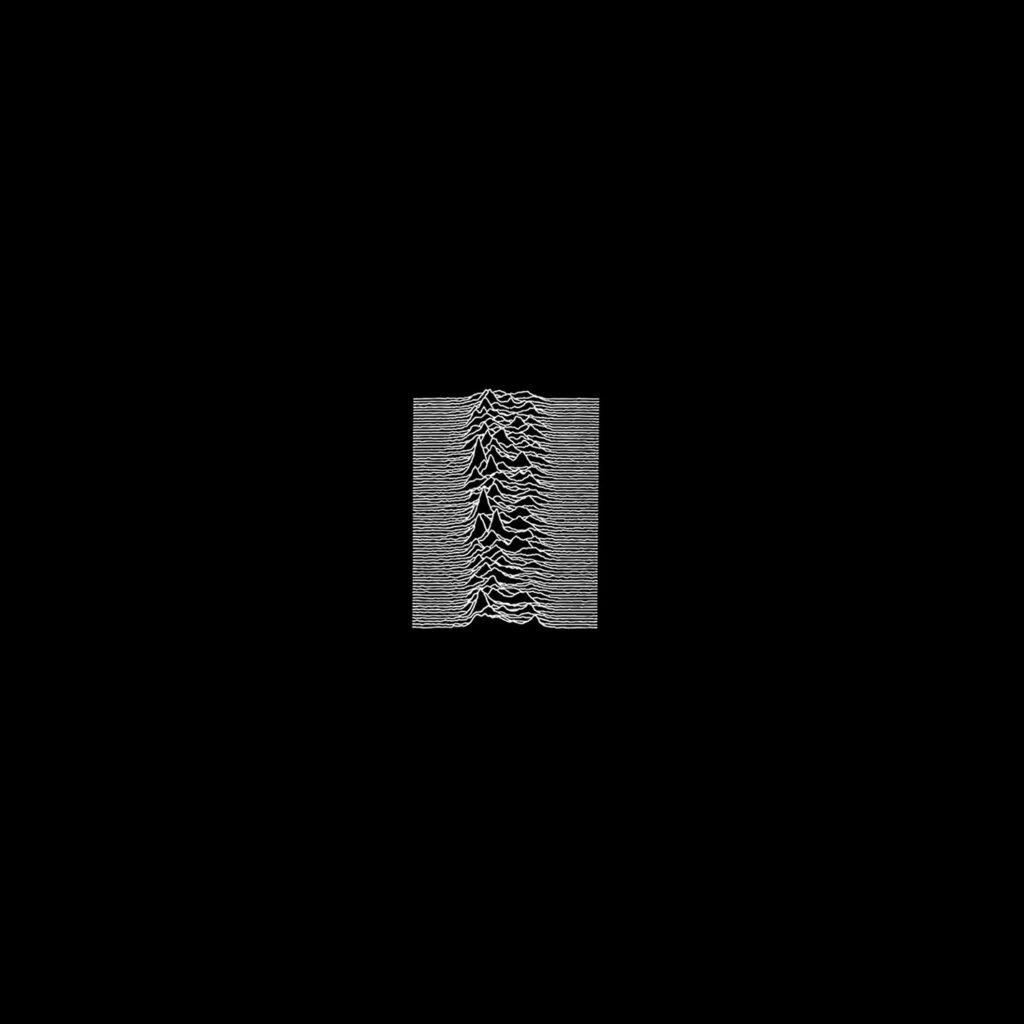
Album covers have a legacy of their own. Take Pink Floyd‘s Dark Side of The Moon or Joy Division‘s Unknown Pleasures, both of which are legendary in their own respects. These album covers in particular are distinct, and are instantly recognisable to a large portion of the population. Many album covers are infamous too. Take The Beatles’ Yesterday and Today, which was banned globally, and the remaining copies reach eye-watering sale prices today. While many covers play on that shock factor or serve as some sort of parody, the vast majority are timeless art pieces in their own right.
Let’s Start Here.
Naturally, album covers have evolved with the emergence of new technologies. Much like digital mastering overtaking its analog counterpart, or CDs and cassettes replacing vinyl records, album art grew with the times. While digitally-created album covers may have created competition with music photographers, it did not destroy that industry in the slightest. For instance, the photographic cover of Beyoncé’s Lemonade sits side-by-side on shelves next to the digitally generated Currents of Tame Impala.
The biggest threat today to artists is undoubtedly the sophisticated, advanced AI models that have emerged of late. With this technology, it was inevitable that we would begin to see the first completely AI-generated album cover. While there is some uncertainty over which album took this infamous crown, one of the most popular culprits is the hip-hop artist Lil Yachty.
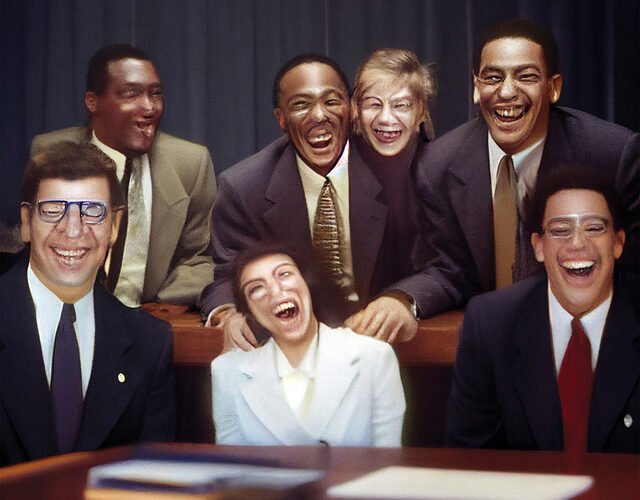
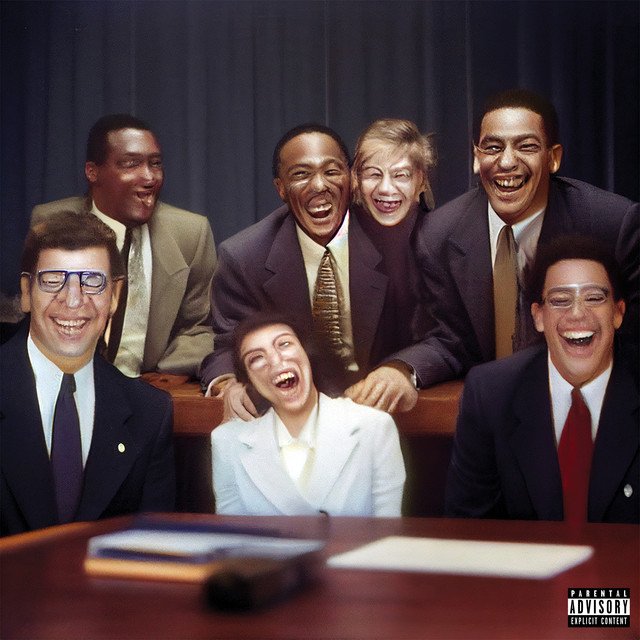
Yachty’s Let’s Start Here. was released in early 2023 to some major acclaim. The album itself is fantastic. A clear deviation from his traditional sound allowed him to explore a psychedelic-infused album which has evident influences of Pink Floyd. The main talking point, however, was the album cover. Generated by the DALL-E AI model, it depicts corporate suits sitting in a boardroom. Their twisted, distorted faces laughing may serve as a fantastic artistic commentary on the commercialisation of the music industry, but to many it became a dystopian warning of the arts industry’s future.
The Beginning of the End?
The apt title of Let’s Start Here. acts as a reminder of the black swan event it has created. While Yachty may not have been the first artist to use an AI-generated image as album art, the surge in popularity is beyond worrying. In 2024, legendary English band Tears For Fears faced backlash for their use of AI to create the album cover for Songs for a Nervous Planet. While the band defended their use of the tool, claiming they used it in combination with real artists, the criticism never faded.
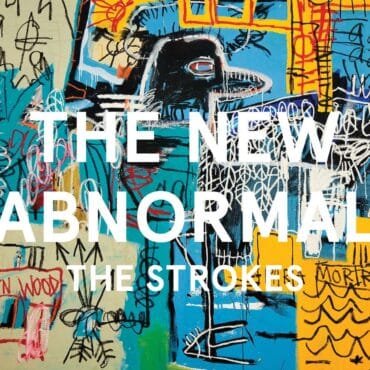
More examples of AI-generated “art” come in the form of Geese’s 3D Country and The Voidz’s Like All Before You. Even one of my favourite bands of all time, The Strokes, faces criticism for using AI-generated covers for their singles and upcoming album. To say it’s disappointing is an understatement, especially from a band that has the financial resources to be able to pay artists for this art.
Unfortunately this could signal the beginning of the end for legendary album covers. While Peter Saville, the designer of the Unknown Pleasures art, declared that the album cover was dead in the wake of the streaming age, he was proven wrong with the importance of visualisation on these platforms. The emergence of soulless, AI-generated slop may reignite his argument once again.
In my personal opinion, AI is a fantastic tool for problem-solving and the automation of menial, tedious tasks. But art is inherently human, and no robot can tap into the emotional and spiritual impact of that.