 Richard Bodin
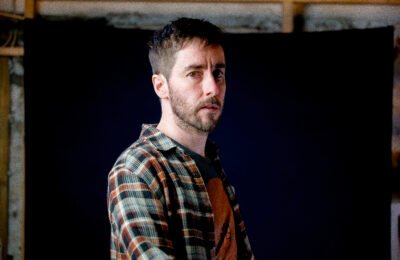
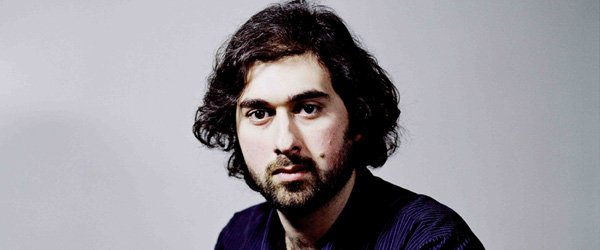
Twenty years ago, while running my first small webzine, I conducted what happened to be my very first interview — with Jonathan Morali, better known as Syd Matters — just as Someday We Will Foresee Obstacles was beginning to find its audience. We talked about home studios, Syd Barrett, and the strange freedom of making music without expectations.
Revisiting the conversation now, the timing feels striking. This 2005 interview captures him at a pivotal moment: one album behind him, a second about to come out, and a world of possibilities still undefined. What stands out, two decades later, is how clear his artistic compass already was. The self-effacing humour, the homemade sensibility, the fascination for intimate, self-produced music — it’s all there, fully formed.
This reprint simply brings that moment forward again, letting Morali’s voice and the quiet world of his early recordings speak for themselves.
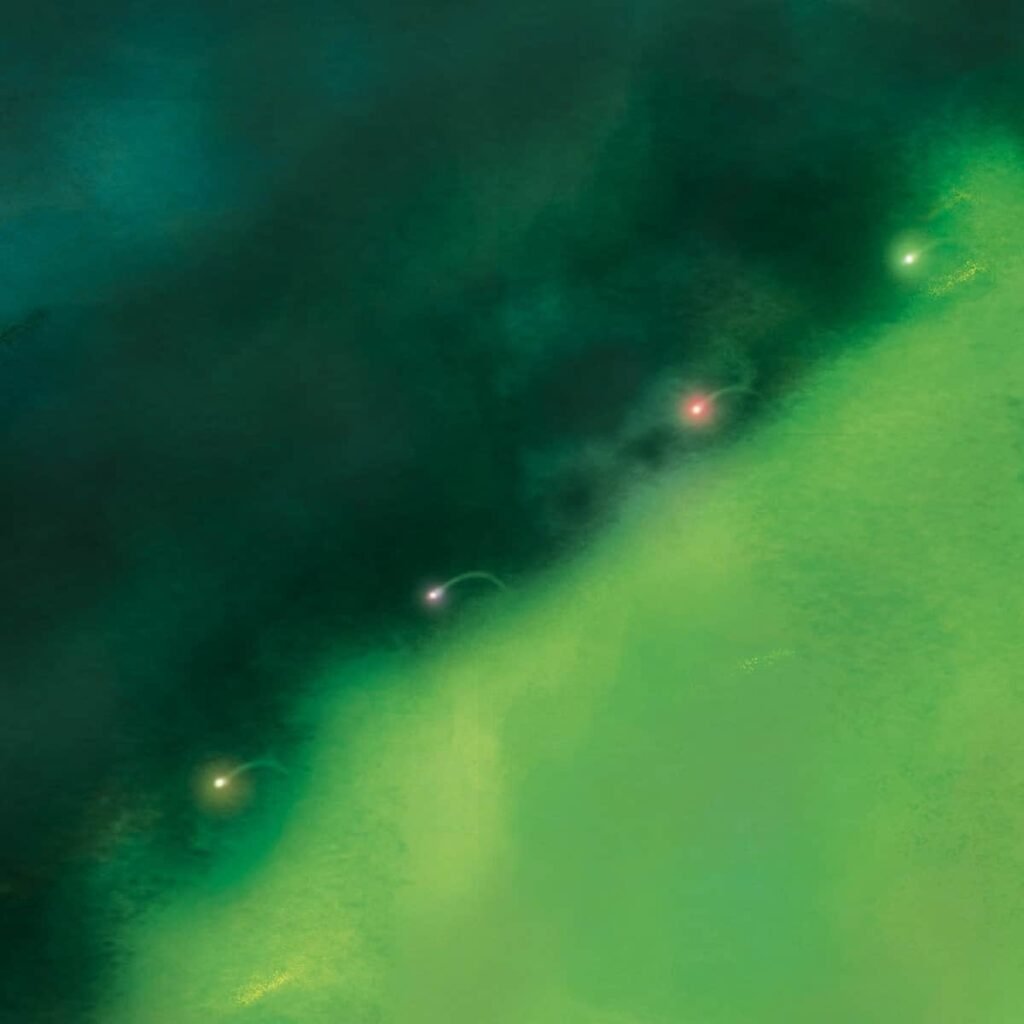
So here it is — Someday We Will Foresee Obstacles. After the success of the first album, critics will be waiting for you… doesn’t that worry you?
No, there’s no media pressure at my level… and I hope I never have any. The pressure comes more from convincing myself that I’m a musician and that I can actually do this job, before worrying about what critics think.
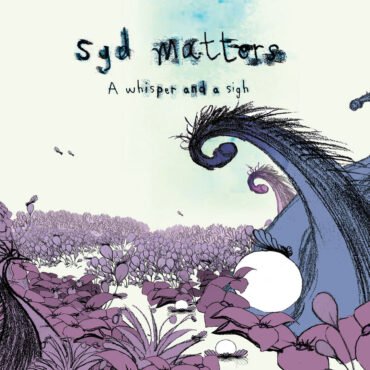
I read that you had drawers full of songs and couldn’t put everything on A Whisper and A Sigh. Did you rework those songs or write new ones?
No, I always have loads of compositions. Not all of them good, of course! But you grab a guitar and you can write pretty quickly. What I did on A Whisper and A Sigh, and what I did again on Someday We Will Foresee Obstacles, was take the most recent songs. They weren’t necessarily the best — maybe some older ones were better — but I wanted them to fit what I wanted to do at that moment. So my rule is: I take the newest ones.
You’re heading to England next week… What’s the English audience like?
We’ve only done two shows in England so far. They went well, but you know — maybe three people know who we are, and the rest are either just there for a beer or because their friend lives nearby. So it’s always funny to have to win over people who didn’t really come to hear anything. But those two concerts were amazing.
Still JM Tixier for the artwork… Who is he?
He’s a Parisian graphic designer who works a lot in music. He’s done artwork for many Paris artists releasing records around now — Vérone, Hush Puppies… quite a few like that.
Did you know him before?
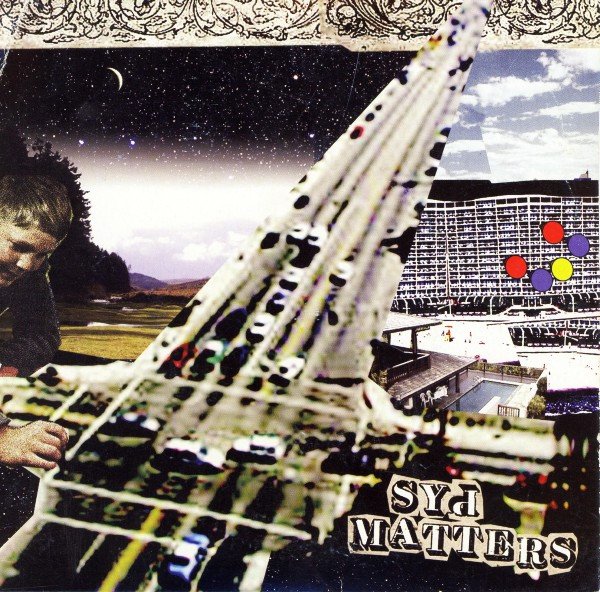
No, I met him during the first album sleeve, actually: Fever in Winter And Shiver in June. Because I wasn’t happy — we had released a first 7-inch and the artwork was kind of crap.
The one with the crossroads?
Yeah, that’s the one… Not very pretty. And on a human level, you really need things to click. It’s a cliché to say that, but it’s true. You need to actually want to see and talk to the people you work with. And this guy, I think he’s incredibly talented.
So this is the beginning of a long collaboration?
Yes, I hope so. I kept the same team from the first album — for the artwork, for the sound engineer, everything. I really hope to continue with them.
In one interview you said the name “Syd” was a tribute to Syd Barrett, and in another you said it wasn’t that thought-through… So what’s the truth?
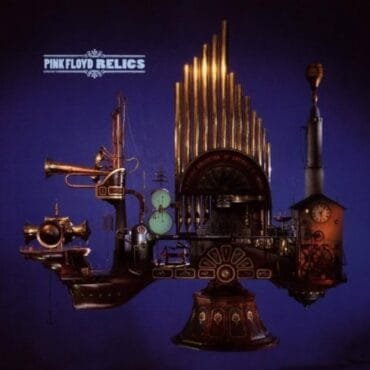
Both are compatible! Obviously “Syd” isn’t a name you choose lightly when you make pop music. It’s not an innocent project name. Syd Matters was, at first, a way of saying… Well, I listened to a lot of Pink Floyd, and you realise Syd Barrett is hugely important to their whole body of work, even though he only made one album with them. His presence weighs even more heavily on the later albums.
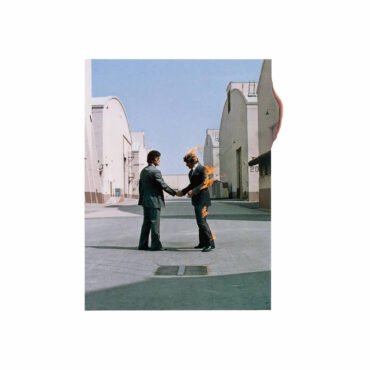
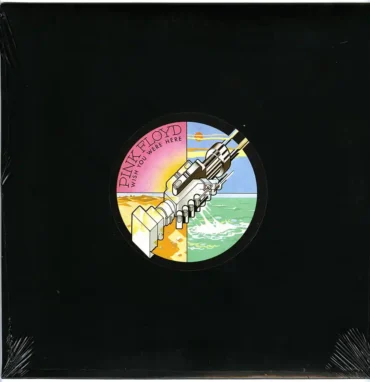
Especially on Wish You Were Here…
On Wish You Were Here, on Dark Side of the Moon… even The Wall. The themes of isolation, madness, things like that… I feel — this is just my opinion — that they carried a kind of guilt and remorse about letting one of their own go, throughout their whole career.
At the same time, The Wall also reflects Waters’ psychological state at the time…
I think Waters works too hard to be truly crazy… Anyway. The name is a reference to Syd Barrett, but I did choose it in five minutes. Because the project name wasn’t super important to me.
Without transition… What do you think of today’s bands? Any that stand out?
(short pause) Honestly, the new trends, the big international bands, the big waves… none of that speaks to me much.
The garage revival wave?
Yeah… I’ve got nothing against it, it’s just not my thing. What I do like is this whole scene — especially in France — of people coming from home-studio culture. Where I come from. Working at home with something like this (points to my recorder) and an acoustic guitar. I really recognise myself in them. There’s a Paris band called Los Chicros — they’re starting to tour and build a reputation. Musically I’m not super close to what they do, but I know how they work and I understand the approach. The people I relate to today, who touch me, are the demos I receive, things like that.
Do you get many demos?
Yeah — people hand them to me at concerts, or they arrive at the label. I got one from a guy whose project is called “Fauve.” It’s the best thing I’ve heard in six months. Beautiful. He’s a Swiss guy; I’ve met him several times. There’s an intimacy there I understand, because I’ve lived it too. And what moves me today is really the pure self-produced stuff.
Speaking of self-produced artists: any advice for finding a label?
I tell them: “Why find a label?” I mean, I’m really happy to be on one — it helps — but what’s great about these people making music at home, almost for themselves… And you have the internet, you can make a website, share your music with someone in Japan… Honestly, I think they have more power than artists signed to labels who depend on release schedules, budgets… There are lots of constraints that the internet and home-studio setup let you bypass.
I discovered a band in 2004 — Midlake — and their music reminded me of yours…
I love Midlake! In terms of influences, I released my album in August 2003 and they released theirs in 2004. But I’ve actually met those guys — they’re also signed to V2 — and I loved the album. When I first listened to it, I thought “this is like Grandaddy,” and then you realise they write songs Grandaddy never wrote… It’s amazing. One of the big shocks of 2004.
We already know your musical references, but in cinema — who inspires you?
I’m not really a cinephile. I take cinema purely as entertainment, not as an art. Some people will hate reading that… My favourite film is probably Blade Runner, which I love for many reasons, partly because it brings back memories. But I’m not a cinephile.
…and books?
More so. There are writers who have really marked me. Recently, Alessandro Baricco — who made a record with AIR… I discovered his work and find it beautiful. It speaks to me a lot. There’s a book called Ocean Sea, and for a long time my album title was going to be Ocean Sea. That’s how much influence that book had on Someday We Will Foresee Obstacles.
And what made you change the title?
Ocean Sea was an idea I loved — a reference to a book that really marked me. But in the end, Someday We Will Foresee Obstacles is much closer to me. And I thought: “a title is important.” It had to connect with the album.
Vinyl, CD, or mp3?
I was CDs… Vinyl, no — I never really got into vinyl. I didn’t have the money, and I just don’t have that vintage relationship to music — not with instruments, not with records, not with objects. Doesn’t interest me. So, no vinyl — I bought two of them four years ago during a little two-month vinyl crisis. Otherwise CDs, because that’s my generation. And mp3 more and more… because it’s nice to have free music.
So you’re not worried about finding your tracks on peer-to-peer sites?
No — I think it’s good, because look at the progress it represents. Pop music has never been free! Art has never been free. Today, even if it’s illegal or whatever, the internet itself isn’t illegal — everyone can surf wherever they want. It’s freedom. You can download things, listen to them, and pay nothing — and I think that’s great. Even though it sucks, because I won’t be able to make a living…
…but in the end, you make it back in concerts…
David Bowie said mp3s were great because eventually there will be no physical formats, sales will drop, and artists will really have to prove themselves on stage. So that’s pretty good.
The big question: the one record you’d take to a desert island?
(short hesitation) I’d take a record that would disgust you so much that you’d never want to listen to music again — so you wouldn’t be frustrated. So a terrible record, something truly awful. (thinks)… A Yes record! Something that makes you say: “Right, okay, I’m done with music.” (laughs) That could be effective.
Thank you very much!