 Guillaume Ruffat
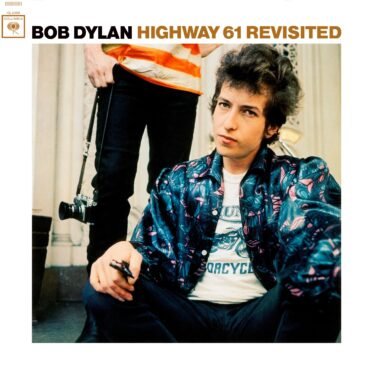
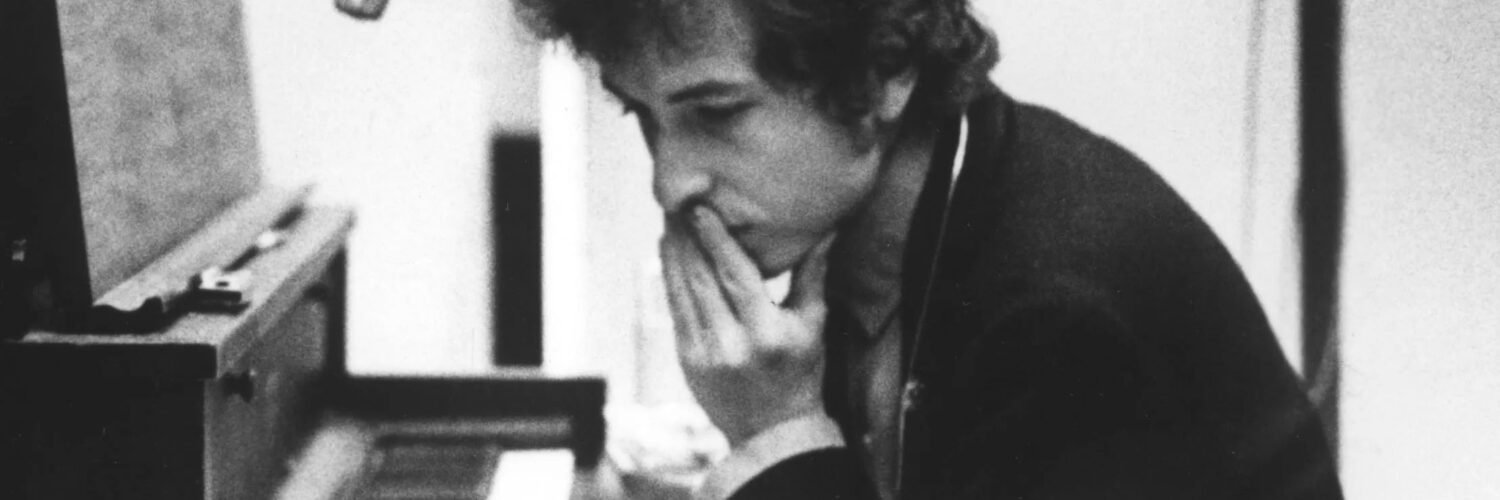
The song Like A Rolling Stone was written by Dylan in June 1965 for the album Highway 61 Revisited, a masterpiece of electro-acoustic folk rock — the first of its kind — which profoundly shook the American folk scene in more ways than one. It serves as the album’s opening track, a kind of pointed commentary on a generation both sublime and pitiful, completely adrift, embodied through the figure of a female character. The song is so emblematic of its era that American scholar Greil Marcus even devoted an entire book to it: Like A Rolling Stone: Bob Dylan At The Crossroads. Quite a story in itself.
The Birth of a Classic
Before the LP’s release, the track came out as a single on June 20, 1965. It spent over three months on the U.S. charts and reaching the number two spot — just behind Help! by The Beatles.
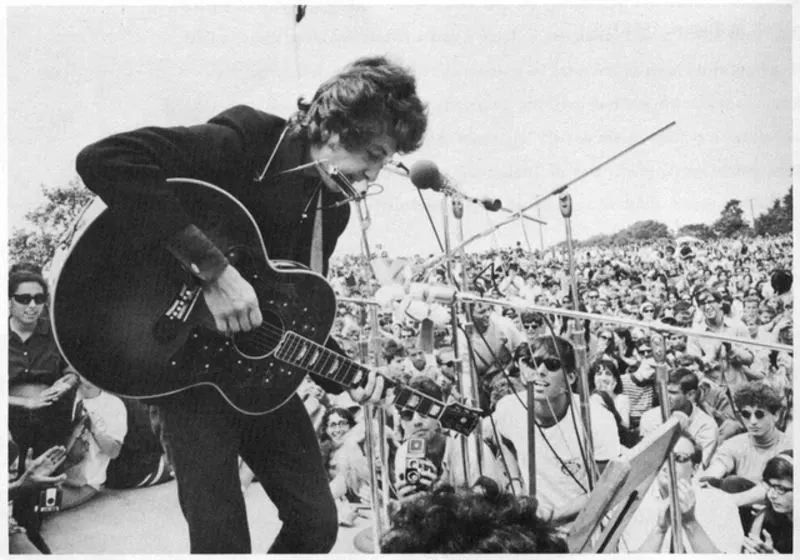
Before the album was also the live performance… Its first-ever outing is one of rock history’s most legendary moments: the 1965 Newport Folk Festival. There, the modern-day bard unveiled this electric song before a crowd of long-haired folk purists accustomed to acoustic prophecies from the Greenwich Village scene. The event has since become mythical — a symbol of rupture and the conquest of modern music through electricity. Hendrix’s own fervent tribute to the song (a stunning cover at the Monterey Festival in 1967) is therefore hardly surprising. Legend has it that Pete Seeger —the festival’s organizer and godfather of the folk movement— tried to cut the cables connecting Dylan’s band to the power supply — with an axe.
Then again, as with all myths, not everything is strictly true…
Recording “Like A Rolling Stone”
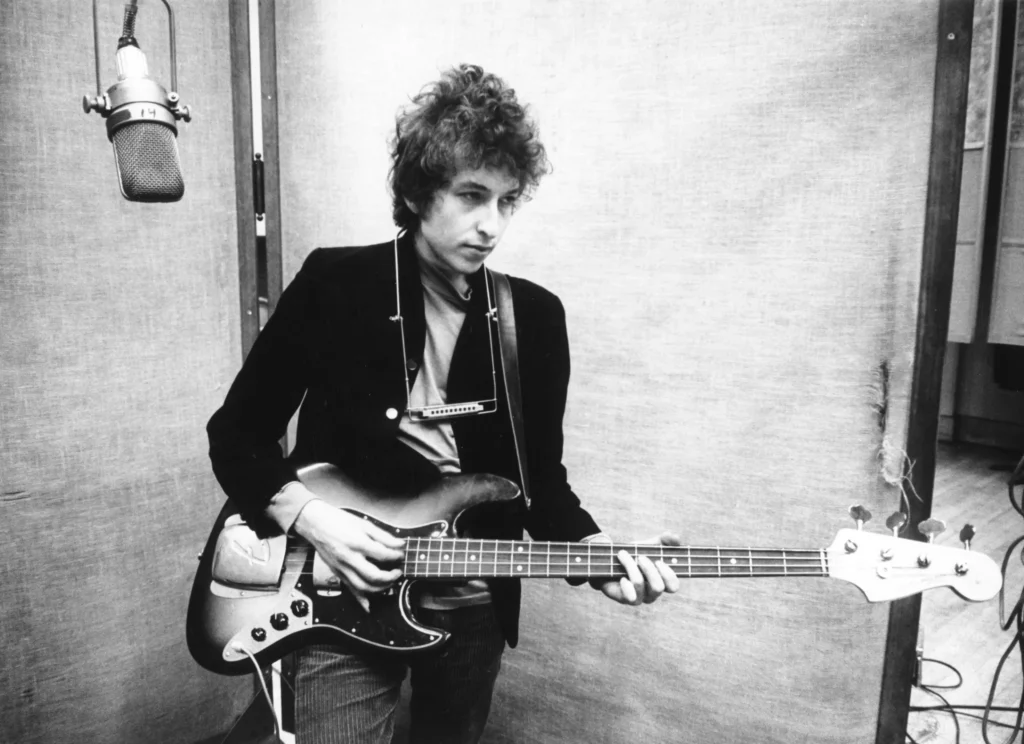
Highway 61 Revisited was released at the end of August 1965. For this record, the master surrounded himself with top-tier musicians (Mike Bloomfield, Al Kooper, Paul Griffin…). Recording Like A Rolling Stone proved difficult — only one take was performed in full, the one ultimately used for the album. A few incomplete versions can be heard on the invaluable Bootleg Series Volumes 1–3 (Rare & Unreleased) 1961–1991. The band took risks with this track in particular. Kooper, a brilliant guitarist, famously played the organ part, an instrument he barely knew at the time.
A Portrait of a Fall
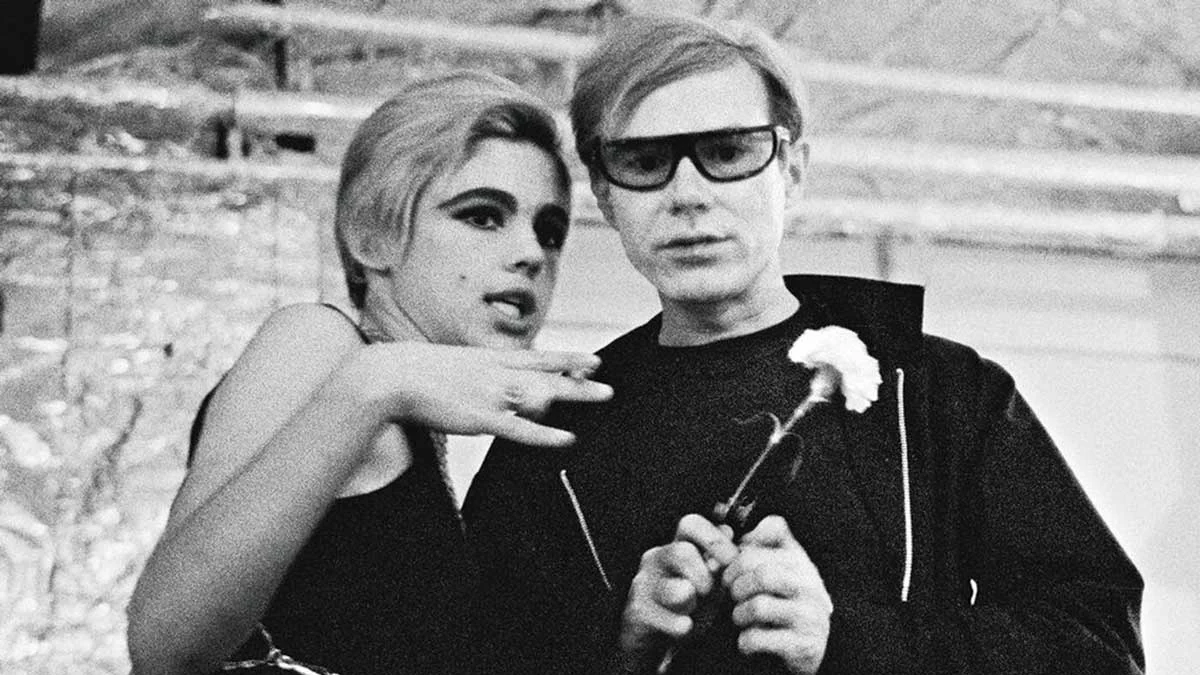
But what, exactly, is this famous song about? About a woman who sinks — or rather, rolls — filling her existential void with the flimsiest superficialities, and who, inevitably, falls. The song’s title comes from the saying “A rolling stone gathers no moss.” In relation to our lost young woman, one might say: “…and the fall will be hard.” Many see in this character an allusion to Edie Sedgwick, one of the bright yet fragile stars orbiting Andy Warhol, the pope of pop art. Dylan would revisit this feminine figure as a muse in another of his songs, “Leopard-Skin Pill-Box Hat“, on yet another of his landmark albums, Blonde On Blonde, released the following year.
Misunderstandings and Mirrors
This choice of a female protagonist was not without controversy. Many at the time perceived it as a sign of Dylan’s supposed misogyny. A segment of the left-leaning intellectual youth — already angered by Dylan’s electric turn — seized on the song to attack his very values. We now know that Dylan was deeply affected by such criticism, as in portraying his character’s loss of control, he was often referring to himself. “Madame Bovary, c’est moi.” Let’s not forget that.
Not About the Stones
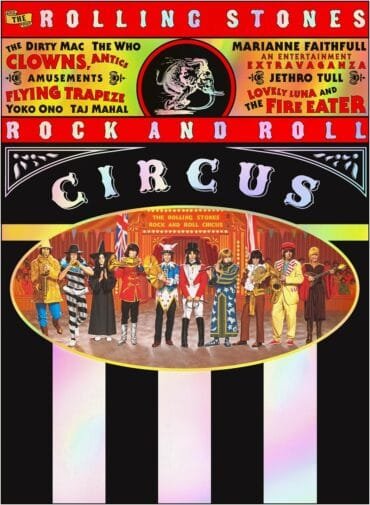
In any case, there is no explicit reference to The Rolling Stones in this song. Yet, Jagger’s band couldn’t resist pulling the song into their orbit, covering it during one of their 1990s tours — the recording appearing on their live album Stripped (1995). Nor is there any connection with Rolling Stone magazine, although the U.S. publication did name the track “the greatest song of all time” in 2004. As we know, people tend to love what they know best.
Epilogue
Oh, and one more thing: another version was recorded by Dylan with a different set of musicians for the 1970 album Self Portrait. Nashville session player Ron Cornelius, who took part in the sessions, recalled: “You could ask him what the lyrics really meant — it was like shooting in the dark, he wouldn’t tell you. Though he might have told you the truth by saying: ‘I don’t know. What does it mean to you?’”
Discouraging, perhaps — but quintessentially Dylan.