

 Matt Lucey
The Stones
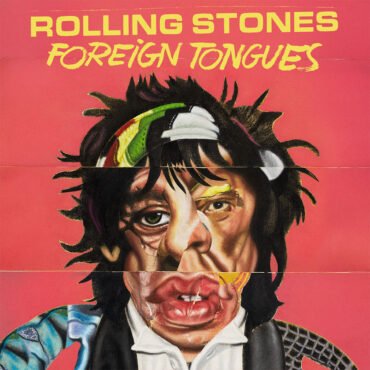
The Rolling Stones stand tall in the rock world to this day. They are considered by most to amongst the most influential bands of all time. Debuting with their self-titled album in 1964, they became natural rivals of The Beatles. This rivalry drove both bands to push the boat out and reach their respective pinnacles musically. The Rolling Stones, therefore, are Rock Royalty. Their discography is storied, with such hits as “Sympathy for the Devil“, “Gimme Shelter” and “Paint It Black“. From the 60’s until today, the band has written, recorded and toured consistently. They are widely regarded to be the longest running band of all time.
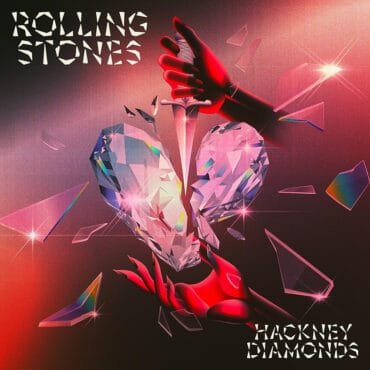
The Stones were an ever present element in my life growing up. While my appreciation of them would grow substantially with time, I still remember the sounds of Mick’s voice being played on road trips. My father, the inspiration for a lot of my music taste, is a lifetime fan of the Stones. For years, I had always been jealous of the many times he had seen them perform live. That was the case until 2018, when we had the opportunity to see them on their No Filter tour. The absolute energy and passion they put into their music after all that time was staggering. Naturally, I continued to listen to the stones and wrote of one of their more recent releases, Hackney Diamonds, upon its release.
Aftermath, A Legacy Created
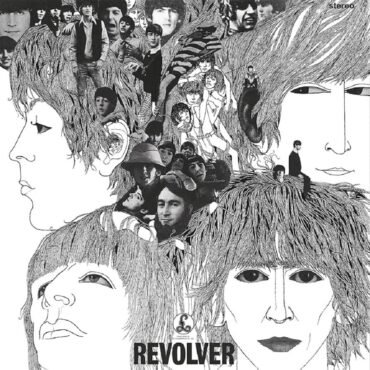
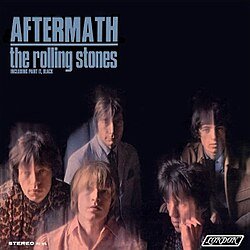
Aftermath, one of the band’s more famous releases, came at an interesting time in the music industry. Rock was taking off. The Beatles were pushing the boundaries with their experimental albums like Revolver. The Who, The Yardbirds and many more were just beginning to gain popularity. The Stones at this time had become well known, in large part, for their cover songs. Coming out with new, gritty covers of known blues staples had earned them the ears of the world.
That’s when they released Aftermath, their first entirely original album. With this release, the Stones needed to show that they weren’t just a cover band, but a group of talented songwriters to rival the rest. After all this time, I think they’ve more than made that point.
The album was released in England under the Decca Record Label. It was produced by the band’s manager, Andrew Loog Oldham . Oldham was key in stoking the public comparisons between The Rolling Stones and The Beatles. This comparison, while instrumental in riling up fans and boosting record sales, was also key to the musical process. Greatness doesn’t exist in a vacuum, and many would argue that success of The Beatles was a major component in stoking the Stones to make their best works.
“Paint It Black”
The first song on the album is already enough to warrant a listen. The guitar in the intro draws you in immediately. Today it’s just a different intro but at the time, it was unheard of. It’s a minor run that sets an uneasy feel for the rest of the song. The drums and percussion have their moment before the song really picks up. The vocals come in and it all clicks. Mick Jagger‘s voice and vocal delivery is iconic. His enunciation and style is on full display here as he alters between soft reserved passages and bursts of high energy choruses.
The guitar, too, is something highly recognisable. Keith Richards‘ playing is one of the most well known signatures of the Stones’ music. Often found playing his iconic telecaster, Richards’ guitar tone here is clear and cuts through the rest. This all comes together as the guitar mirrors Jagger’s vocal runs, making it all feel more in sync. The song is catchy, it makes you want to move, all while being dark and different in comparison to what else was being released at the time.
Under My Thumb
Another absolute gem from this album was “Under My Thumb”. A totally different style to “Paint It Black”, “Under My Thumb” is a lot more gentle. The core riff is played on a xylophone-esque instrument, creating this upbeat sound from the start. Jagger’s vocals find their way into this song, merging perfectly with its more positive sound. His voice plays off the melody, almost conversationally.
The drums, played by Charlie Watts, are also a treat. It’s been said that Watts was the heartbeat of the band, and that can certainly be seen here. While he never exactly takes centre stage, the drums are so perfectly filling out the background, the rest feels to fit around that rhythm. This is a great example of the band working so well together that their 60 year plus span is no mystery.
“Lady Jane”
“Lady Jane” is another song which is entirely opposite of the previous two. The sound goes in a totally different direction here, showcasing their musical versatility. A gentle guitar takes the place of Jagger’s usual high energy style. Some sort of double string instrument is playing another aspect of the melody which adds to the sing-song style of this song. The soft vocals are another example of how Jagger really can fit his style into any genre. This departure from the usual sound showcases the band’s willingness to experiment with what works for them. While it’s never going to reach anyone’s top 10 list, this song is a testament to versatility.
Conclusion
No one can doubt that the Rolling Stones are rock royalty. Even after all this time and so many re-listens, this album still absolutely holds up. The sound is unmistakably Stones. Their sound is iconic and this album was one of the first times they really showed that off.