 Richard Bodin
Now that The Hidden Track has opened a new video section, it feels only right to go back to the very beginning and ask a simple question: what was the first music video?
Before we even start, let’s clear a couple of things up. No, it wasn’t “Video Killed the Radio Star” by The Buggles; that was merely the first video broadcast on MTV. Nor was it “Bohemian Rhapsody” by Queen, even though it is often considered the first modern music video designed for TV broadcast as it would have been difficult to properly perform the song on live TV performances.
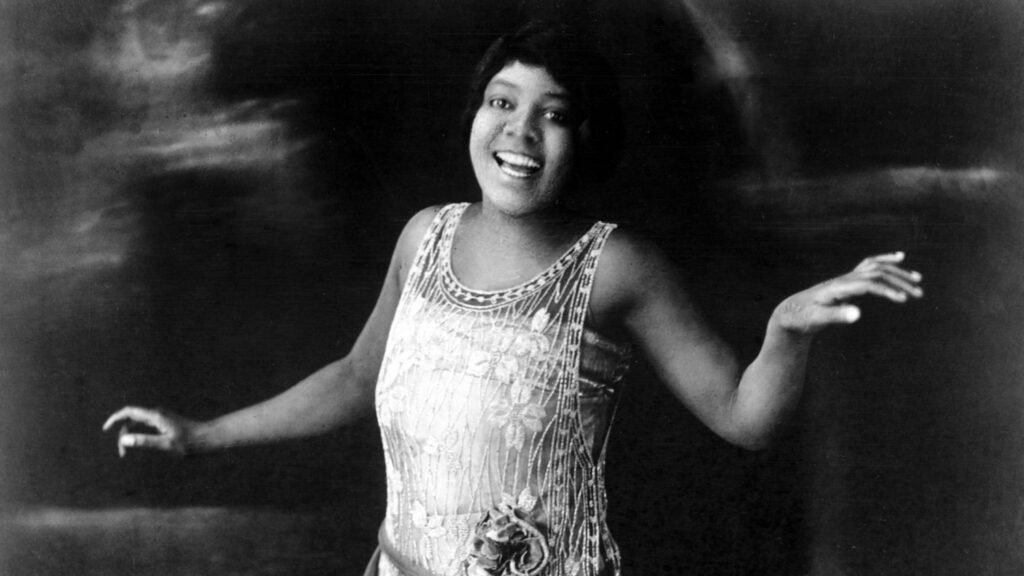
To find the true origins, we have to go much further back. Almost a century, in fact. In 1929, Dudley Murphy wrote and directed a short film built around “St. Louis Blues.” One of the first blues songs to achieve widespread popularity. The song itself was written by W. C. Handy—self-proclaimed “Father of the Blues”—and performed by Bessie Smith, the “Empress of the Blues.” Quite the casting!
The Rise of a Blues Standard
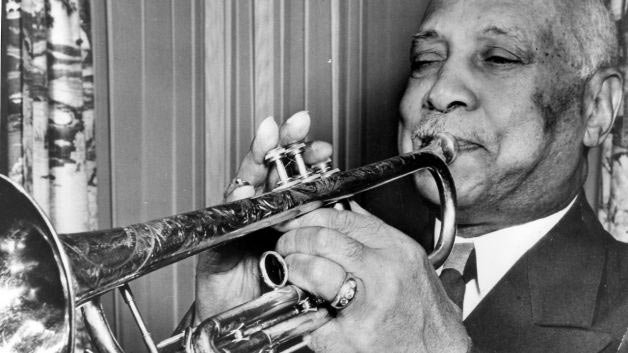
By the time the film was even thought of, “St Louis Blues” had already reached the status of a blues and jazz standard. The song was first written and performed by WC Handy in 1914, two years after his first hit “The Memphis Blues”. While the first hit featured hints of ragtime en vogue at the time, Handy decided that this was passing out and was looking for something new. In his autobiography, the Father of the Blues wrote:
The one-step and other dances had been done to the tempo of “Memphis Blues” … When “St Louis Blues” was written the tango was in vogue. I tricked the dancers by arranging a tango introduction, breaking abruptly into a low-down blues. My eyes swept the floor anxiously, then suddenly I saw lightning strike. The dancers seemed electrified. Something within them came suddenly to life. An instinct that wanted so much to live, to fling its arms to spread joy, took them by the heels.
WC Handy
The inspiration for the lyrics came to Handy a few years prior. He had heard a line uttered by a drunken woman stumbling through a dark street in Saint-Louis. “Dat man got a heart like a rock cast in the sea.” The imagery in these words struck the musician and he imagined the story of a lovesick woman around it.
At the time, recordings were not exactly the norm. In order for a song to gain popularity, it would need to be good of course, and inspire other bands to cover it. This is what happened to “St Louis Blues”. The first recording of the song was made by Columbia Record’s house band Prince’s band in December 1915. It was recorded by many different bands before Handy had a chance to record it himself in 1922.
Turning Music Into Story
During the roaring twenties, the song became one of the most recorded blues songs. Bessie Smith recorded the most memorable cover in 1925. She is accompanied by none other than a 24-years-old Louis Armstrong on the cornet, and pianist Fred Longshaw on the harmonium. It was only after director Dudey Murphy saw her perform in 1929 that he was inspired to shoot a short film around WC Handy’s classic.
The Father of the Blues was immediately seduced by the idea. He not only sold the rights of the song, but he re-arranged it for the needs of the movie. Murphy wrote the story to build up the context to the song. He then convinced the Empress of Blues to play the Saint-Louis woman. The role of the stone-hearted man was performed by tap dancer Jimmy Mordecai, while Isabel Washington was cast as his mistress.
Love, Abuse, and the Blues
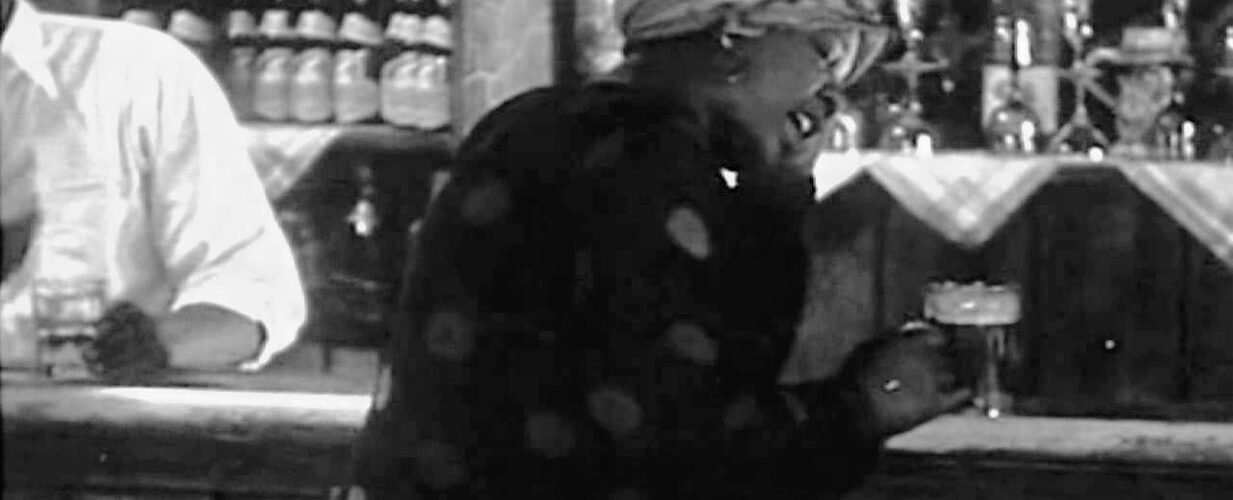
Set in Harlem, the film opens in a rooming house where gamblers are shooting dice. Jimmy the Pimp arrives with a young woman on his arm. With her “lucky” help, he wins the pot before bringing her back to the room he shares with Bessie. When Bessie discovers them together, a violent confrontation erupts. The mistress is thrown out, but despite everything, Bessie falls at Jimmy’s feet. As she is begging him to stay, he laughs at her, and kicks her aside on his way out.
The music begins as Bessie Smith drowns her sorrow in drink, singing, “My man’s got a heart like a rock cast in the sea.” The scene shifts to a speakeasy, where her lament unfolds against a chorus of patrons and a lively jazz band. When Jimmy reappears, Bessie lights up and rushes into his arms. But he only pulls her close to steal the money from her garter, shoving her back against the bar before laughing and disappearing once more.
Left alone, she delivers the final, haunting lines, with her voice carrying the weight of betrayal, dependence, and heartbreak. “Blue as I can be / My man’s got a heart like a rock in the sea / Oh, now he wanders so, so far from me”. This is pure Blues: no happy-ending for poor Bessie.
Beyond the “Race Film” Label
In 1929 America, segregation was still deeply entrenched. Black audiences were largely confined to separate venues, where so-called “race films”, with all-Black casts, were screened. “St Louis Blues” however, was not your typical “race-film”. Sure, it featured an all-Black cast, and the story is set in Harlem. But the central subject of the movie is a popular song, performed by Bessie Smith who both transcended racial boundaries. Backed by RKO, a major studio, it was intended for a wider audience, exploiting the success of the hit song.
Reception at the time, however, was mixed. Its unflinching portrayal of abuse, desperation, and working-class life in Harlem led some critics to dismiss it as crude or sordid. Today, those same elements contribute to its historical value. The movie is now preserved in the United States National Film Registry by the Library of Congress for being “culturally, historically, or aesthetically significant”.
The Legacy They Left Behind
Filmed and released almost a century ago, “St Louis Blues” is indeed an important part of the world musical history. It was the first film made solely around a musical hit, with all the challenges that came with it, to capture the sound and the essence of the song performed live on set.
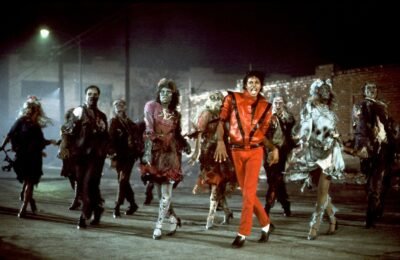
More than fifty years later, director John Landis would collaborate with Michael Jackson to film a short movie around “Thriller” on 35mm with a full theatrical format. It was hailed as something quite revolutionary at the time. But, truth be told: it was following a path first traced in 1929 by Dudley Murphy, W. C. Handy and Bessie Smith.