 Ronan O'Brien
Storytelling through music is deeply embedded in Irish culture. From tales of folklore to detailing struggles and teaching history, it’s important to take the time to remember where these songs originate. One poignant example is the legendary “The Men Behind the Wire”.
Operation Demetrius
The Troubles were an infamous time in Irish history. Whether your political alignment is more favourable to nationalists or unionists, there is no denying the unequal rights between the Catholic nationalists and Protestant unionists. While many areas in the North of Ireland had a population of mostly Catholics, these areas were unionist-controlled. This led to a civil rights movement, directly influenced by the movement in the United States surrounding racial segregation.
This civil rights campaign was aimed to eliminate plural voting and eliminate religious discrimination, as well as promoting equality in all areas. During a 1968 civil rights march in Derry, the police force (of which over 90% were Protestant) attempted to shut down the march. Their violent approach turned a peaceful march into scenes that were broadcast globally. With little political movement on the civil rights front, many felt there was no other option than turning to arms for civil resistance.
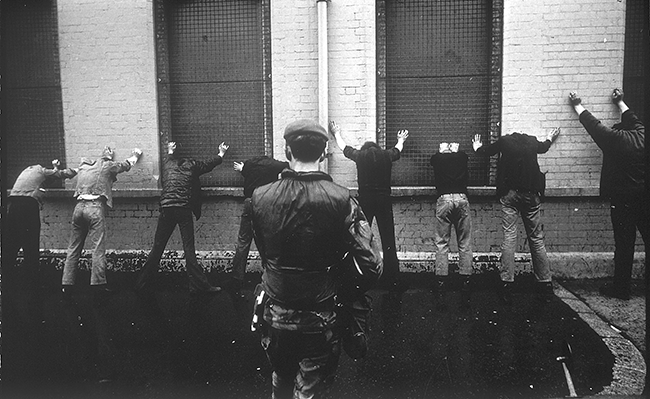
With many riots breaking out in response to police brutality at civil rights marches, hundreds enlisted with the Irish Republican Army to fight against this disparity. In an attempt to weaken the IRA, the British government launched Operation Demetrius. This involved the arrest and internment of those suspected to be affiliated with the IRA without trial. Raids begun on August 9th around 04:00, with assaults to suspects and their families commonplace. Nearly 2000 people were interned, none of which were loyalist militants.
The Barleycorn
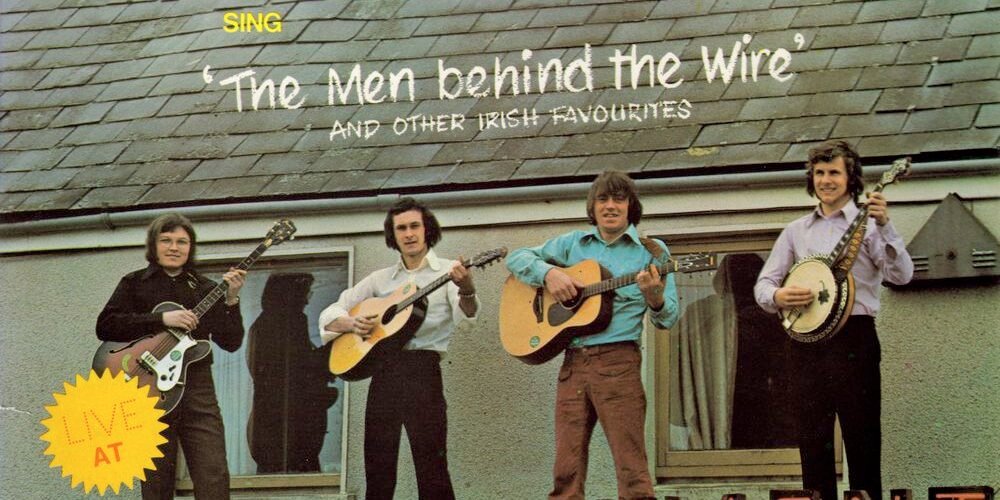
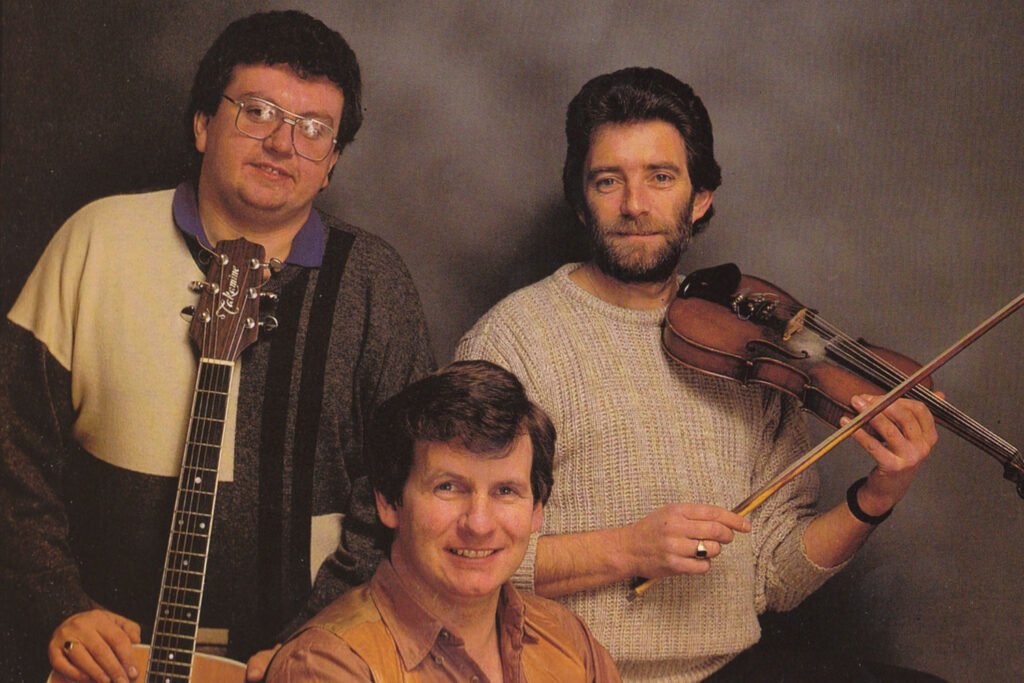
Around the time of Operation Demetrius, a band called The Barleycorn was formed in Belfast. Consisting of Paddy McGuigan, Liam Tiernan, Brian McCormick and John Delaney, the band’s first recording was “The Men Behind The Wire“. Penned by Paddy McGuigan, his poetic and direct approach instilled the song as one of the soundtracks of the uprising. Written in support of those interned, McGuigan himself was arrested and held without trial aboard HMS Maidstone soon after the song’s release.
The song appeared on the band’s debut album, Live at the Embankment, recorded in Dublin. Beginning with a spoken word piece providing the subject background, in which McGuigan valiantly describes it as “a song borne of the civil resistance campaign which followed internment.” With guitar and banjo, the song kicks off with the hook.
Armoured cars and tanks and guns
Came to take away our sons
But every man must stand behind
The men behind the wire
The song details the violence in which Irishmen and women were dragged from their homes in the early morning. The imagery in which McGuigan simply details this dark episode in Irish history is striking; “Beating sons while helpless mothers / Watched the blood pour from their heads”. The disgust towards the imperialist occupier is narrated beautifully too, likening the tragedy to other events in Irish history; “Cromwell’s men are here again”. Perhaps the most potent lyric comes in the third verse, detailing the injustice behind the events“But being Irish means they’re guilty / So we’re guilty one and all”.
An Everlasting Legacy
“The Men Behind the Wire“ has become one of the most iconic rebel songs in Irish history. Upon its release, the song spent 48 weeks in the Irish charts, despite being banned completely by RTÉ. While some in the Republic of Ireland at the time felt disconnected and even aversion towards their Northern brothers and sisters, many more shared their pain and struggle through music. Such songs can become commentaries on the socioeconomic conditions faced by people, but also a morale boost to many. The period of history that was “The Troubles” was a deeply upsetting time, but songs like “The Men Behind the Wire“ gave hope and defiance to its people.
The song has become legendary among other Irish groups. The most notable cover of the song comes courtesy of The Wolfe Tones, who have championed the song and brought it to new generations. Lyrics from the song have also been interpolated into modern hits, namely Dido’s “Let’s Do the Things We Normally Do”. Perhaps best of all, the song served as more than just a message. All royalties from the song’s original recording were donated to families of those interned, becoming a wider show of support than a political display.
While The Troubles are thankfully over, there still exists inequality and political lobbying from a Protestant minority. The subject of Irish language has become a major talking point of civil liberty and should be supported in every way. While those campaigning are standing behind a physical wire, the barriers in place still exist, and we should be rallying behind them.
Saoirse agus síocháin.