

 Richard Bodin
In December 1965, The Who had already made a name for themselves when they released their debut album: My Generation. The band had acquired a dedicated audience through epic live performances, and had released a few singles widely broadcasted on pirate radio stations. Regularly they would also be invited to feature on Ready Steady Go!, a TV show dedicated to rock music on ITV. Despite only modest commercial success at first, My Generation would become one of the most defining and influential album of its generation.
Detours To Become The Who
The story started in 1961 when bassist John Entwistle and guitarist Pete Townshend joined Roger Daltrey’s band: The Detours. At the time, the band played mostly covers ranging from pop to jazz. Going through a few line-up changes, The Detours evolved to sound more and more influenced by rhythm and blues. To avoid confusion with another band sporting a similar name, Townshend and his flatmate started considering other names. Rolling with ideas around a theme of joke announcements, they imagined names like ‘No One’, ‘The Group’… Eventually ‘The Who’ came up, and the next day Roger Daltrey was validating the name.
Following a failed audition to secure a record deal, The Who set up to find a new drummer. They soon met a young drummer going by the name of Keith Moon. Impressed by his energetic style —quite the euphemism— they quickly hired him. Manager Peter Meaden saw in The Who the perfect act to represent the Mod movement, which was growing fast in Britain at the time. The young subculture was all about fashion, scooters rhythm and blues or modern jazz. A perfect fit indeed. Despite a failed attempt of the manager to change the name of the band to The High Numbers and promote a couple of singles of his own making, the band was slowly finding their identity and were making a name for The Who.
Maximum R&B,
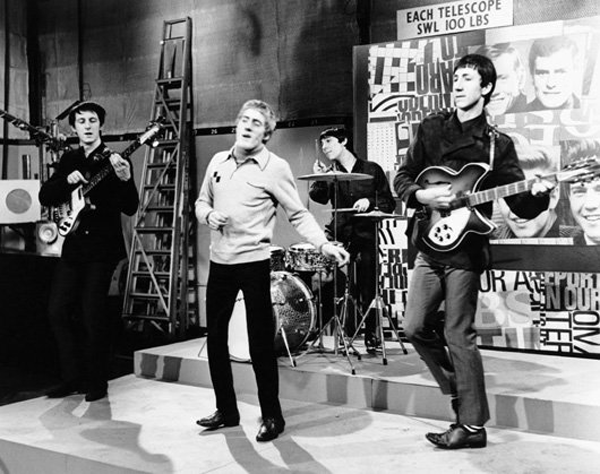
The band started developing a sound that they labelled ‘Maximum R&B’, involving rhythm and soul, but also soul and Motown influences. They also improved their stage image. Roger Daltrey was whipping the air with his mic wire or jumping in the crowd, while Keith Moon was throwing his sticks in the air in the middle of playing. And Pete ? Pete was already perfecting his signature moves: his famous arm-windmilling motion, holding his guitar like a machine gun or the famous “bird man posture”.
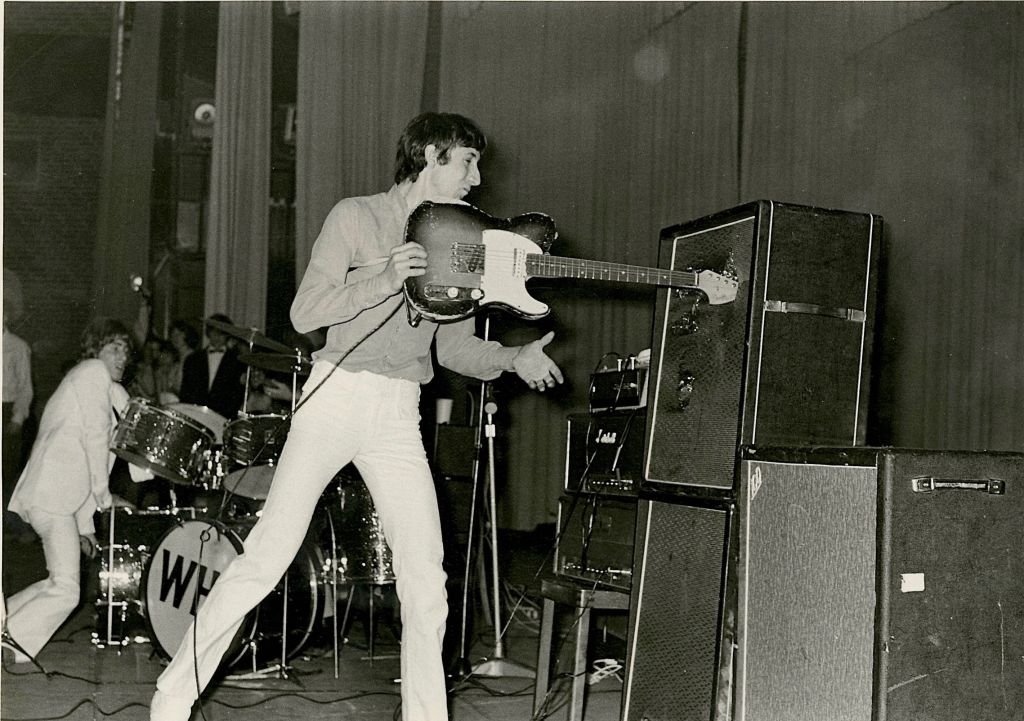
One day, he accidentally broke the neck of his guitar against the low ceiling of the venue. With the audience laughing at the incident, an angry Townshend smashed the damaged guitar, before picking up another one and finished the show. The audience loved it. The next day, they were back asking for more, and Keith Moon gave them what they wanted: he kicked his drum set all over the stage at the end of the show. The Who’s live performance became famous for these antics repeated regularly.
Ready, Steady, Who!
Encouraged by new managers Kit Lambert and Chris Stamp, Townshend started writing songs. “I Can’t Explain” impressed American producer Shel Talmy who had produced the Kinks. He signed them to his own production company, and sold the record of the single to Decca. “I Can’t Explain” was released in December 1964, and met a quick success thanks to the pirate radios. Meanwhile, ITV’s Ready Steady Go! Gave them further exposure, leading the sales of single up to the 8th position in the charts.
In the course of 1965, The Who made a few trips to the recording studios in April, October and November. It resulted in two singles “Anyway, Anyhow, Anywhere” in April, and “My Generation” in October, leading up to the debut album in December.
Raw, Energetic, & Unapologetic
My Generation came out as a statement. The social landscape in the mid-60s Britain was drastically changing. Actually, not just in Britain, in the whole world. The Who were representative of this movement. Sure, it started a little before them. The Rolling Stones, The Kinks or even The Yardbirds before them already started to introduce this new bluesy sound. The Who pushed it a little further. They were a bit younger, born in a post-war country and society. They were raw, energetic, unapologetic even, not afraid to push the limits and play louder.
A Loud Entrance: “Out in the Street”
Straight from the opener, “Out In The Street”, the Who show their colours. A few distorted guitar chord are strummed, interjected with Daltrey shouting ‘OUT!’, lead into the signature raw energy of the band. The bass is loud, the drums are rolling. Townshend adds distorted effects, flicks the pickup switch of his guitar, slides his pick on the strings, plays with feedbacks… This is all very unconventional for the time. But the kids loved it.
Only Three Covers, Countless Attitudes
At the time, it was also customary for bands to release a debut album featuring more covers than originals. My Generation, however only features three covers. Their rendition of James Brown’s “I Don’t Mind” or “Please, Please, Please” are bluesy, featuring harmonious back vocals, in their signature Maximum R&B vibe. Bo Diddley’s “I’m A Man” is strong and bluesy, with a rich psychedelic vibe on the bridge and Roger Daltrey’s raspy voice fits in perfectly. The latter, mind you, was removed on the US release of the album — deemed too sexual.
Entwistle’s Revolution
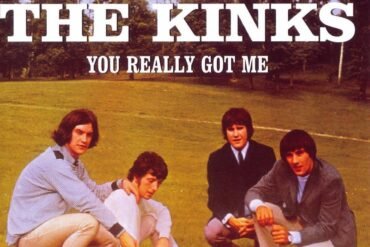
The intense “The Good’s Gone” was inspired by The Kinks’ “See My Friends” released in the previous summer. Townshend was impressed by the instrumentation drawing influences from the Indian sound that was trending at the time. Roger Daltrey’s vocals explore lower register, giving the song a darker disillusioned vibe, reinforced by the droning backing vocals and loud basslines.
Entwistle goes beyond the rhythmic purpose of his instrument, playing full melodies and riffs, all along the album. His bass becomes a lead instrument. Keith Moon’s energetic and rumbling drums blends perfectly with it. The pair offer far more than a simple rhythm section. On tracks like “La-la-la-lies”, “Much to Much” or “It’s Not True”, Nicky Hopkins’ piano blends in the background behind them, while Townshend’s guitar offers the perfect balance.
The Anthem of a Generation
The highlight of the album is undeniably the title track. “My Generation” is obviously the anthem of a generation. Like I mentioned earlier, the boys were from that generation born straight after the war. Growing up in a society booming economically, where customs were evolving quickly. The gap is enormous between their generation, in thirst of freedom, and their parents still scarred by the war and all the sacrifices it entailed.
The words « I hope I die before I get old » was very symptomatic of this feeling, as the worst nightmare for this generation was to become like their parents. « Why don’t you all f-f-fade away ? » —which was another form of the F-word at the time— was a very clear message from their generation refusing to conform to their parents’ society’s expectations.
Roger Daltrey’s stuttering rendition made the track even more iconic. Shel Talmy remembers it started as an accident. Daltrey hadn’t rehearsed much, he couldn’t hear his voice in the monitor, and as a result, he struggled to fit his lyrics on the fast paced soundtrack. Manager Kit Lambert immediately saw the potential, and instructed him to do it even more. “He said ‘Stutter the words – it makes it sound like you’re pilled’,” the singer remembered. “I said, ‘Oh… like I am!’”
Where Power Meets Pop
The hit song is followed by “The Kids Are Alright“, which became another significant anthem with the mods. Where the title track spits frustration, this one sighs: a jangling pop tune masking the same insecurity that ran through London’s mod clubs in 1965. Townshend’s lyrics cling to reassurance — “I know if I go things would be a lot better for her” — but you can already hear the doubts creeping in. Harmonies glide where power chords usually crash, hinting at the band’s growing ambition to be more than just amplifiers and attitude.
On “A Legal Matter“, Pete Townshend lyrics hit home a bit too much for Roger Daltrey who is going through a divorce at the time. That is why the guitarist is stepping up as lead vocals. The voice is warm and nice, and fits the song perfectly… But Townshend’s vocals doesn’t carry the same power as Daltrey’s. Which is what makes The Who so special. Each member has its own particular skill that elevates the sound of The Who that much further. The last track, solely instrumental, is the perfect occasion for all the musicians to explore them at length. John Entwistle’s melodic bass, and Keith Moon flourishing style are blending at perfection with Townshend’s powerful guitars and Hopkin’s piano… The result is fantastically psychedelic.

A Blueprint for Punk
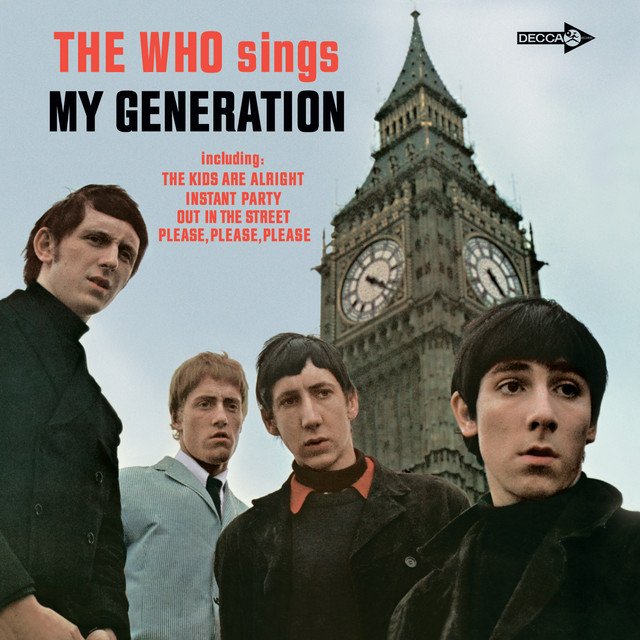
My Generation was received decently in the UK reaching the fifth spot in the charts. The American release —titled « The Who sing My Generation » with a different cover featuring Big Ben in the background—unfortunately made a flop. Looking back, The Who dismissed the album, considering it was rushed in production, and never really captured the spirit of their live performances. The album’s production was intentionally raw. Talmy often recorded them live in the studio, prioritising immediacy over polish — a stark contrast with George Martin’s pop-polishing at EMI. It would later become the blue print for hard rock or punk.
Towards the end of the recording session, while recording “Circles” — which would replace « I’m A Man » on the US release — Kit Lambert and Shel Talmy had a falling out. As the producer was let go, he sued The Who’s management team for breach of contract and won. A bittersweet victory for Talmy who never got to produce The Who again. He however kept the original album tapes, which prevented The Who to re-release the album until 2002.
A Mod Symbol
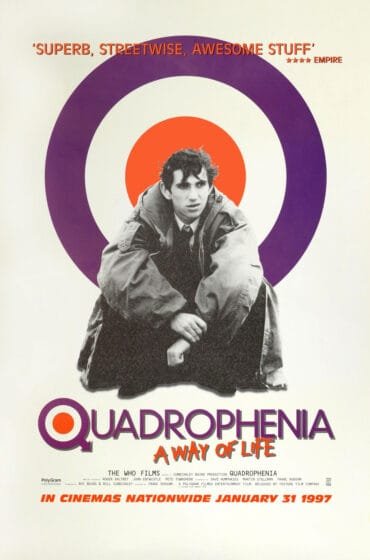
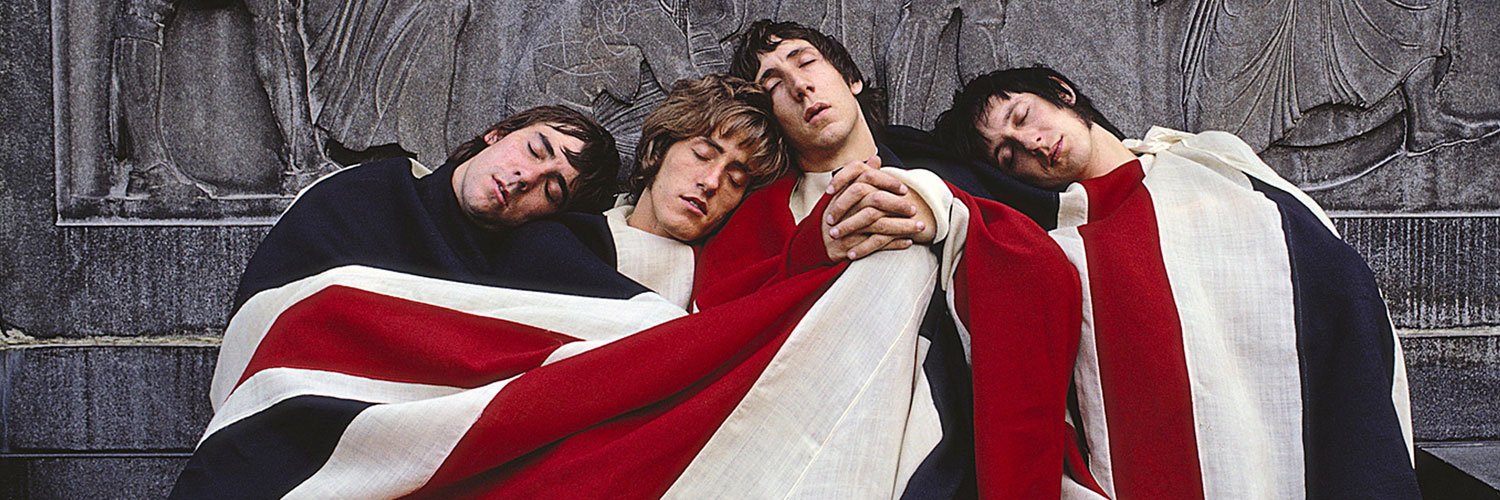
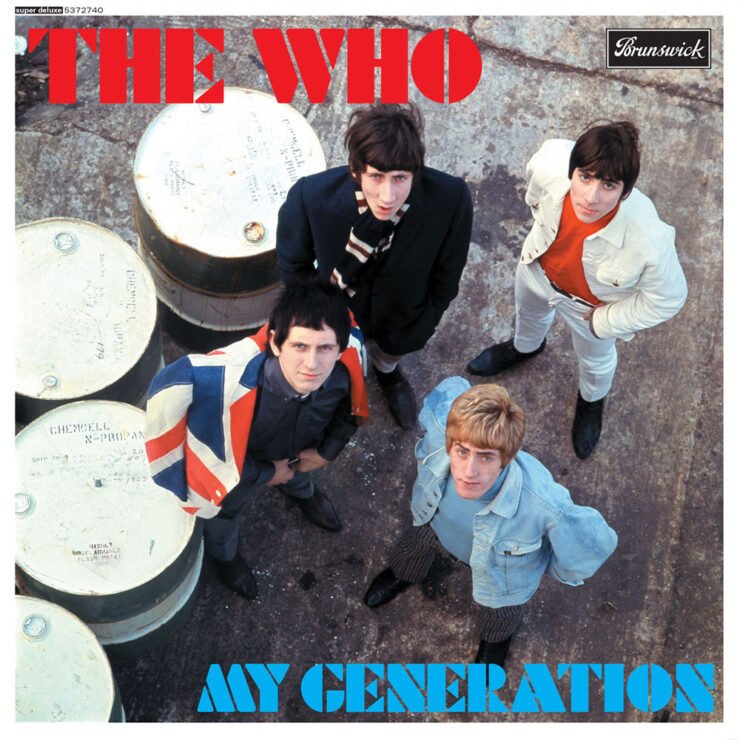
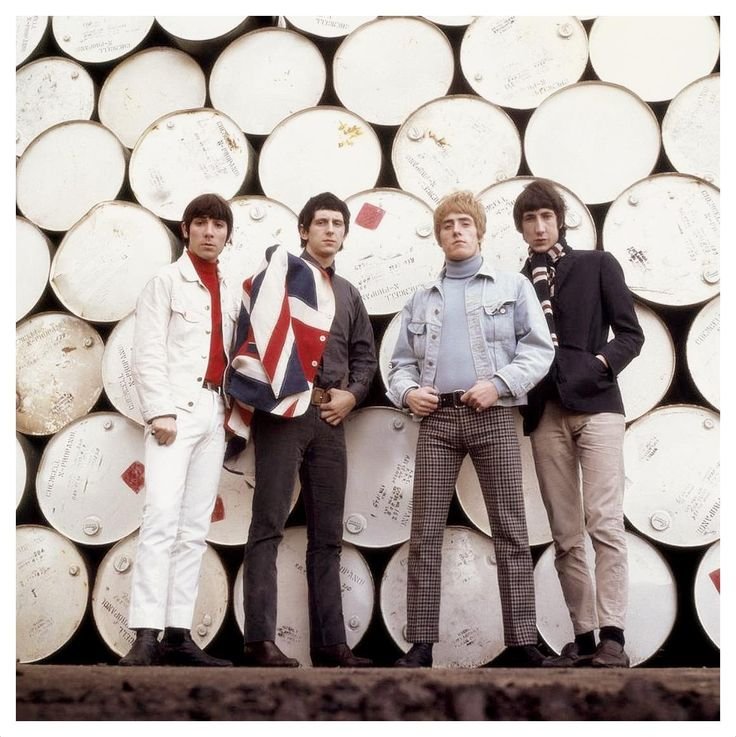
The whole album became a symbol of that subculture. From the music, to the lyrics in tune with the concerns of this post-war generation, but also the fashion. On the cover, we see the four musicians pictured on the Surrey Docks looking skywards to the camera. That pose would later be copied many times by other bands with strong mods influences —The Jam, and The Undertones among them. The title font in stencil letters in red and blue, as Entwistle sports a tailored Union-Jack jacket. Everything hints at the Mod sub-culture. Listening to the album, it is impossible not re-think about the movie Quadrophenia based on their later album of the same name.
Not Perfect, But Permanent
Surprisingly enough The Who never managed to reach a Number #1 spot in the charts. The better they did was 2nd with their single “My Generation”. This debut album is far from perfect —and probably not their best— but it is precisely this raw imperfection that gives it power.
The Who were not trying to be blues craftsmen or pop sophisticates. They were trying to invent a language for frustration, humour, boredom, self-doubt, and speed. Many debut records hint at potential. My Generation did more than that: it made History. You can trace its fingerprints through punk, Britpop, noise rock, and so much more.
If The Who would later go operatic, conceptual, and widescreen —hippy even in some occasions— this album remains a reminder of where it all started: four young lads, wired to the mains, trying to outrun their own limits. Sixty years later, that spark hasn’t dimmed — it’s simply become part of rock’s DNA.