

 Ronan O'Brien
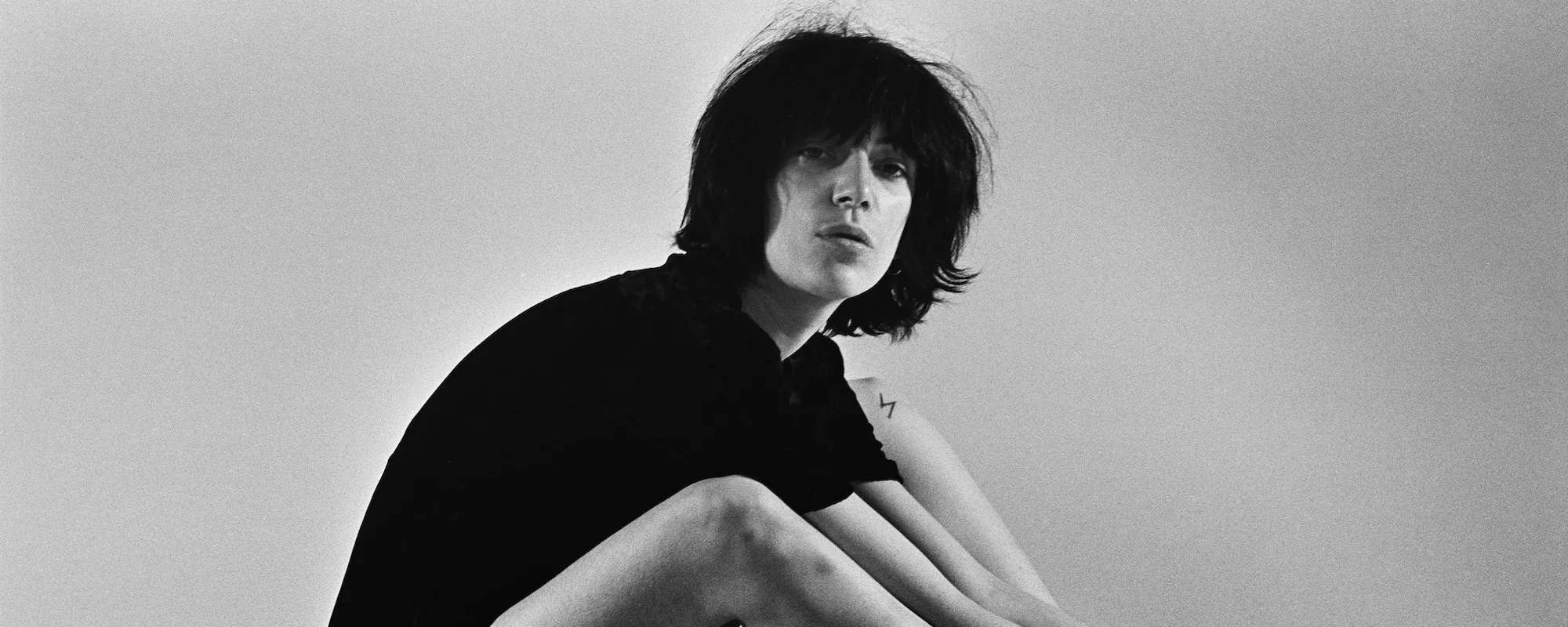
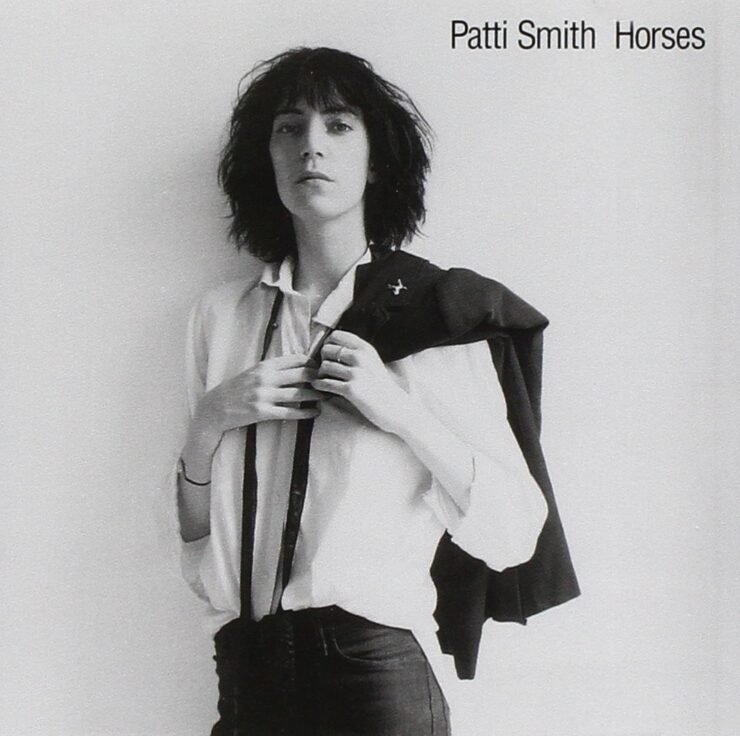
Fifty years ago, Patti Smith and her group ventured into Electric Lady Studios. What they left with became a seminal and cultural piece, flinging open the doors for the punk scene that followed. This is the enigmatic beauty of Horses.
Queen Patti
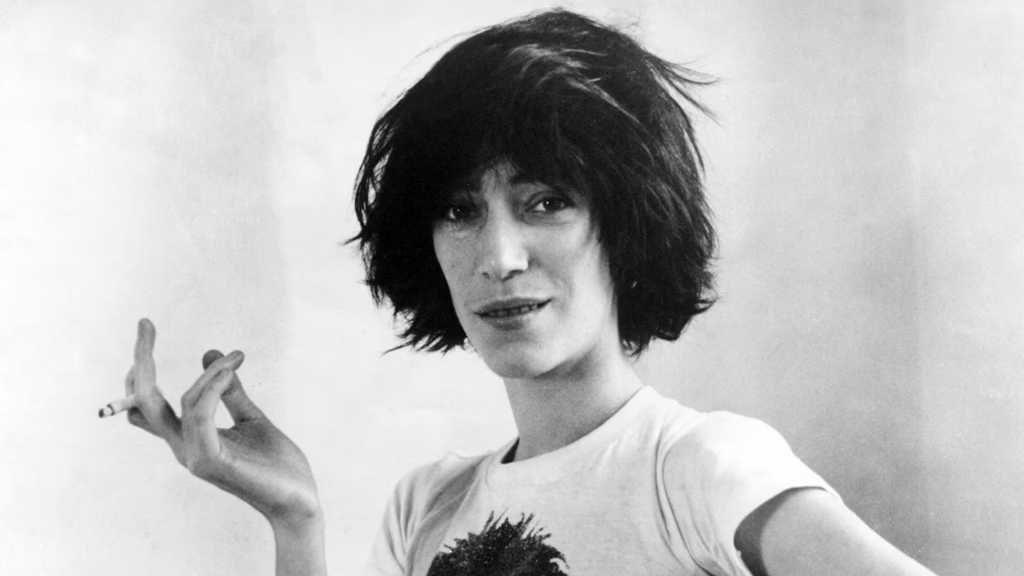
Patti Smith was introduced to music at an early age. Her mother, a former jazz singer, gifted her daughter her first album, Another Side Of Bob Dylan upon its release in 1964. Smith’s involvement in art transpired to more than just music. From busking as a singer in Paris, performing in several plays and a member of the Poetry Project, her artistic expression only grew.
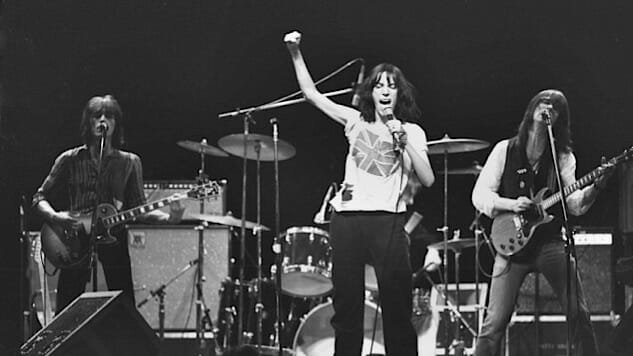
After being considered a vocalist for Blue Öyster Cult, Smith began performing music once again. Teaming up with Lenny Kaye, Richard Sohl, Ivan Král and Jay Dee Daugherty, The Patti Smith Group was formed in 1973. Several live performances saw Smith being approached and subsequently signed by Arista Records. This led to plans for a debut album in 1975.
The group were to be overseen by Tom Dowd at the helm as producer. This, however, changed quickly, when John Cale was enlisted as producer, at Smith’s request. Although the studio sessions were tense and argumentative at times, the final product emerged. Laden with simple chord progressions and Smith’s formidable delivery, the album was an instant hit. Heavily inspired by Smith’s poetic muse, Rimbaud, the album was lauded for its ability to blur the lines between punk and poetry. Frequently cited as the first punk album, Horses has become a timeless classic in its own right.
“Gloria: In Excelsis Deo“
The gentle, simple piano and bass combination introduce the album in deceptive fashion. The listener may be tricked into thinking this is going to be a relaxing listen, and how wrong they are. Smith snarls the opening lines, “Jesus died for somebody’s sins but not mine“. The opening excerpt serves as an art poem, before the transition into a punk-rock classic. Smith’s singing is raw and the guitar work is absolutely sublime, almost mimicking the vocalist.
The tempo increases, and with that, the intensity of the track. A further transition of the song sees an interpolation of Van Morrison‘s “Gloria“. The backing vocalists form a soulful choir to the unrelenting Smith. The song is intense, in true punk fashion. And to top it off, just as the song unwinds, it picks back up with unbelievable force in the outro. The only word that can be used to describe the opener is punk.
“Redondo Beach“ opens with a reggae-style arrangement, completely deviating from the opener. The lyrics recount a story of suicide by drowning following a girl’s argument with her friend. While the tale may be fictional, it was inspired by a personal anecdote. While living with her then boyfriend, Smith had an argument with her sister, who disappeared for the night. Her sister returned, but the ordeal had an evident impact on Smith, who penned the lyrics.
The reggae themes are most evident in the instrumentals; a skanking guitar and washing cymbals acting as an excellent ensemble. Smith’s vocals have an edge to them, but the sorrowful tones she delivers adds to the emotion in the track. The lamentable tune has frequently been claimed as a lesbian-themed anthem. While this may be a bit of a reach, it’s safe to say the lesbians have taste.
“Birdland”
Returning to the style of the opener, “Birdland“ opens with that familiar bass and piano combination. Smith recites poetic lyrics, inspired by Peter Reich’s A Book of Dreams. The narrator in this novel is afflicted by his father’s death, and believes his father is at the helm of a UFO he spies. Reflected brilliantly through her lyrics, Smith bellows with iteration that the characters father is no longer human.
The track spans nearly ten minutes in length, with long verses and transitions in the vocal delivery. While the piano and bass remain relatively interchangeable throughout, the guitar work is immense. In a style that is almost psychedelic, the guitar shreds mesmerisingly in the background, becoming more apparent and intense as the song rises. Further interpolation is used in the song’s outro, with Smith painfully elongating Chubby Checker’s refrain in his song of the same name.
Another emotional track, “Free Money“ is a dedication to Smith’s mother. Growing up poor, she reflects on her mother hiding from debt collectors and dreaming of winning the lottery. The song is littered with some incredible guitar work throughout, with Smith and her backing vocalists unleashing pure heartache on the listener.
The song grows with intensity, almost demonstrating the narrator’s attitude shifting. Instead of accidentally stumbling across money, as Smith puts it, “Find a ticket, win a lottery / Scoop the pearls up from the sea“; they have now graduated to actively seeking it out by any means necessary, “See those dollar bills go swirling ’round my bed / I know they’re stolen, but I don’t feel bad“.

“Kimberly”
A funky bassline, muffled drums and some ethereal synths and guitar open “Kimberly“. Dedicated to her youngest sister, Smith depicts the day she was born. Smith’s echoing vocals, “Little sister, the sky is falling” recalls the weather on the day. The thundering and volatile weather conditions also act as a metaphor for Smith’s feelings washing over her. Comparing herself to a “misplaced Joan Of Arc“, she feels the determination to protect something so vulnerable, acting years ahead of herself.
The instrumentals are repetitive and simple, but effective at that. Based around the same three-chord progression, the instruments really allow Smith’s vocals to shine. While the subject matter is somewhat delicate, her vocals still retain that raw, punk edge. Almost serving as a warning to anyone who dares to hurt her sister, the confrontational yet sweet approach is something only Patti Smith can execute so brilliantly.
“Break It Up“ was conceived as a result of a dream about Jim Morrison. Smith imagines the late vocalist “bound like Prometheus” to a marble slab, as she chants the eerily familiar motif. The verses are introduced with Smith’s familiar poetic flow, before the song bursts with energy during the choruses. The refrain is delivered with incredible force, with the backing vocalists singing in unison.
The guitar work is sublime, as the riffs once again mimic the vocals. As the chorus rises, the guitar unleashes some ear-bleeding riffs that work incredibly. The final verse even sees Smith beating her chest while singing, almost psyching herself up for the ending. And that outro is an explosion of all elements letting loose. It becomes surreal, almost other-worldly, and one only wishes it can go on forever.
“Land: Horses”
Smith’s hallucinogenic poetry opens up this three-part masterpiece. Spanning nearly ten minutes, the first excerpt “Land: Horses“ rises in tempo and intensity almost immediately. Smith’s delivery is raw, accompanied by a lone guitar. She narrates a character seen on an acid trip, becoming more frantic as the song develops.
The second verse of the track transitions seamlessly, with the introduction of the bass guitar and drums. Featuring another interpolation, its namesake comes from the Wilson Pickett hit “Land of 1000 Dances“. While the guitars maintain the funk elements of that track, Smith’s vocals are punky and raw. The fun elements of the song are quickly abandoned, with Smith continuing on her psychedelic trip. Her lyrics turn philosophical in parts, referring to a “sperm coffin” and making love with the fictional character’s brain.
The final movement of the track, titled “La Mer(de)“, continues with the same lucid imagery. The lyrics portray Smith’s spiral into madness, while the instruments continue with the same intensity. This intensity slowly alleviates, almost reflecting the end of the trip, with the instrumentals stripping back in both dynamic and tempo. The closing lyrics are essentially spoken by Smith, who ironically details the ending of this journey; “There was a man / Dancing around to the simple / Rock and roll song“.
The final track on the album, “Elegie“ is exactly that; an elegy. Smith’s delivery is half-spoken again, but contains some beautiful high notes, almost in mourning. The subject of the elegy is not revealed until the end, but the clues are scattered throughout. Such examples are the pockets of guitar riffs and the lines “Trumpets, violins, I hear them in the distance“. Released on the anniversary of his death, the closing lines are borrowed from the honouree, revealing the song as a “Requiem for Hendrix“.
Final Thoughts
For me, Horses is nothing short of incredible. While the instrumentals are fantastic and the song structures excellent, the highlight of the album is Patti Smith herself. Her raw, unrelenting vocals provide an edge few can replicate. There is much more depth to that though; her poetic deliveries and profound lyricism are remarkable. From Rimbaud to Reich, her love of poetry is found in every crevice of her work.
Smith blurred the lines between punk and poetry in Horses, and it became the inspiration for countless artists and albums. Without Patti Smith, there would be no Siouxsie Sioux, no John Cooper Clarke, no punk as we know it today. Punk was conceived, died and was reborn; none of which could have been possible without Patti Smith and Horses.