

 Ronan O'Brien
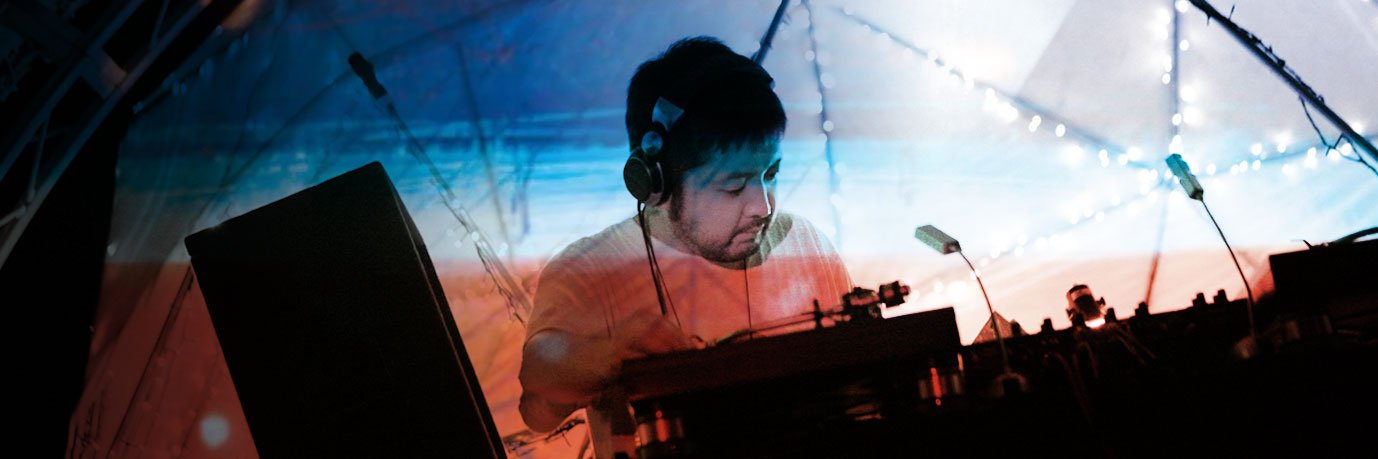
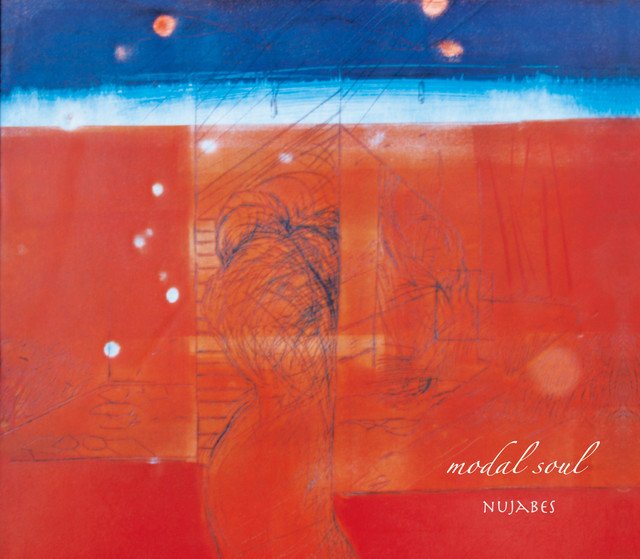
This month marks 20 years since Japanese producer and DJ Nujabes released his second and final album in his short lifetime. Now considered to be a classic, Modal Soul has become an inspirational piece to many in the hip-hop scene. And here’s why.
Nujabes
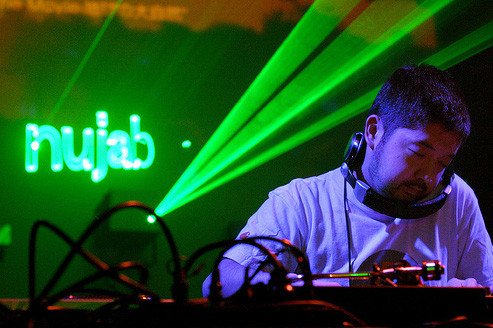
Jun Seba was born and reared in Tokyo. His first exposure to music came thanks to his father, who was an amateur jazz pianist. Fast-forward to post-university life, where Seba opened a record store. Straying from large, commercial releases, Seba focused more on stocking underground hip-hop and even pressed some records for his own beats.
In the following years, Seba founded an independent record label, Hydeout Productions. A string of releases followed, with many heavy collaborations with a slew of underground rap artists. In 2003, Nujabes released his debut album, Metaphorical Music through this label. Although the success of this album was incredibly modest, its recognition only grew in later years which led to it attaining cult classic status.
In a similar vein, Modal Soul was released to the world in 2005. Featuring similar aspects to its predecessor, it showcased a number of guest rappers over Seba’s groovy and downtempo beats. While it attained more success than Metaphorical Music, the album was still pretty undiscovered. Unfairly, Nujabes success soared at a posthumous stage. Hip-hop artists and beat producers really became aware of his work following his death in 2010 from a traffic collision. While incredibly heartbreaking, his work has been lauded as pioneering, propelling jazz rap and lo-fi hip-hop into the mainstream.
Feather
The album opens with a blissfully smooth piano hook, lifted from Yusef Lateef’s “Love Theme from The Robe“. A wonderful reworking of this 1961 jazz piano is an early demonstration of Nujabes’ ear for music. Furthermore, the opening lyrics provided by Cise Starr almost serve as a nod to the smoothness of the piano. “Light as a feather when I’m floating through” sees the CYNE rapper effortlessly set the tone for the track. His compatriot Akin Yai provides more seamless flows in his verse, and the song builds on the looped riff so well with some fat, retro drums supporting the groovy bass line. The closing lyrics even contain a homage to Don McClean’s “American Pie“, with Cise Starr abruptly finishing the track with “And I drove the Chevy to the Levy / But the Levy was dry, singin’, This will be the day that I die”.
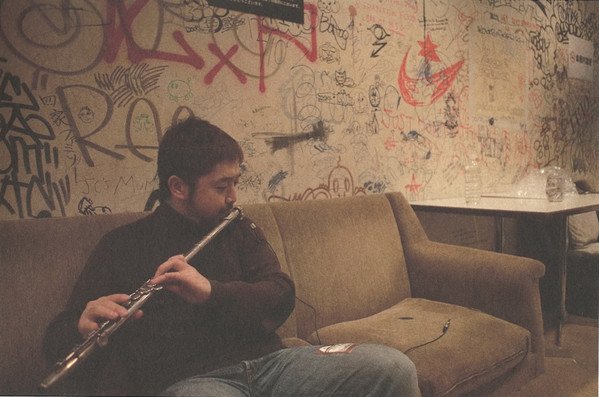
The second track opens with some incredible drums, sampled directly from Kiss’ “Torpedo Girl“. While this song is technically a cover, it can be seen as more of a reworking. The smooth vocals of Terry Callier different from his original song of the same name from 1972. Like nectar to the ears, he intentionally re-recorded these to fit seamlessly over Nujabes’ beat. Interestingly, the flute solo in the middle is also provided by Callier, who learned the instrument for the purpose of this track. A unique collaboration between the two artists, the lyrics are introspective and explore the struggles and meaning of life. It’s such an incredibly smooth track; the drums and song structure take it from a jazz song to a trip-hop classic.
Luv(sic.) pt3
“reflection eternal“ is the first track with a guest artist omission. The song is a combination of two samples. The first being Noriko Kose’s “I Miss You“, whose piano serves as the main hook of the song. Incredibly smooth yet again, it sets a beautiful tone to the listening experience. The vocals are courtesy of Kenny Rankin’s “Marie“, as well as some from himself. Repetitive and soothing, they describe the beauty in an unnamed character, to which this song may be a homage to. The song title encapsulates the mood of the track perfectly; it’s simplicity and smoothness allows the listener to sit and reflect on their own thoughts. It’s beautiful.
The third instalment from Nujabes & Shing02‘s “Luv(sic.)“ collaboration sets the mood with some retro hip-hop beats. The incredible smoothness of Nujabes’ beat accompanied with Shing02 spitting on the mic is something to behold. Skilfully navigating the beat with smooth precision, he decorates the track with some beautifully introspective lyrics. Accompanying the smoothness of the beat perfectly, he narrates the meaning and cycle of life therapeutically. The chorus reflects this wonderfully, “It’s funny how the music put times in perspective / Add a soundtrack to your life and perfect it”.
Music Is Mine
Continuing with the noticeable style of fusing jazz piano with hip-hop drums, “Music Is Mine“ is another instrumental with character. What sets this track apart however, is Nujabes himself provides the vocals himself. Although a rarity, it allows Seba to communicate his love of music to the listener straight from his own mouth.
“Eclipse“ sees the return of a guest feature, this time courtesy of Substantial. Yet another beautiful piano & fat beat combination, the song sees the vocalist yearn for his long distance lover. Much of the instrumental is a fantastic display of sampling from Nujabes. Several chopped elements of Ahmad Jamal’s “Spartacus Love Theme“ provide the backing, while Substantial’s flows are decadent. Even the fantastic imagery in the lyrics are something to behold. The hook, where the rapper compares a lovers embrace to a solar/lunar eclipse, is beyond beautiful.
One of my favourite lyrical displays comes courtesy of Pase Rock on “The Sign“. While the beat is created using another beautiful jazz sample, the vocals are standout to me. The vocalist takes the listener on a walk with them, describing every observation and allowing them into his mind. Constantly referencing “the sign”, it can be interpreted that these are the vocalist’s inner thoughts and voices. Maybe even everyday observations that give purpose to life. But ignorance gets in the way of this, as Rock spits truths about the American people. There’s even clever wordplay throughout, especially as the vocalist shouts “stop!”, to which the beat breaks.
Thank you
A wonderful combination of two samples provides the powerful beat to “Thank you“. Elements of fat drums, piano, saxophone and many other elements are stripped from “Gypsy Queen – Part Two“ and “Skin Deep“. Vocals are provided by Apani B. Fly, whose style is so similar to Lauryn Hill in her prime. Lyrics are a display of gratitude to those around her, and the hook sees her “appreciate this unique opportunity”, which may even be a tribute to Nujabes himself for the feature.
Further incredible use of sampling is evident on “World’s end Rhapsody“, where Nujabes chops “Betcha if You Check It Out“ by The Quadraphonics. This song is a dynamic example of Nujabes’ talents. An incredibly laid back but bouncy song, it provides both respite from a string of rap-featured songs while continuing with the electric energy that the album is decorated with. The muffled vocals are so beautifully added into the mix, probably the best use of this effect outside of The Avalanches.
The title track is another instrumental, and what a beautiful piece it is. A collaborative effort between Nujabes and his friend, Uyama Hiroto, who provides the saxophone. While there is a single sample – the drums from Charles Earland’s “Aquarius“ – the track is a wonderful display of two friends’ talents.

flowers
Incredibly laid back and another standout song from the album, “flowers“ sees Nujabes mash Dinah Washington’s vocals with some smooth piano and drum breaks. While the only lyric is the repetition of the song title, the instrumental feels like a journey. With so many layers being added and stripped away in different parts, it’s yet another incredible display of Seba’s talents. The ability of the producer to take old jazz and soul tracks and transform these into modern lo-fi classics is truly awe-inspiring.
“sea of cloud“ is another instrumental made from more samples. The song is yet another fine display of Nujabes’ ear for music and how different elements can interact to make a whole new feeling. The main sample used is J.O.B. Orquestra’s “Govinda“, which supplies most of the instrumentals. Further layers are introduced using more deep-cut tracks from the seventies; “What’ll I Do” by Chet Baker and Bill Evans’ “Symbiosis 2nd Movement“.
Light on the land
As the album unwinds, a further instrumental is introduced in “Light on the land“. The main hook is a sample of Larry Ridley’s “Feelin’ Blue“, and boy is it sweet. The saxophone and bass are incredibly funky yet smooth. Tempo is provided by laid back drums, which are an evolution from the fat, nineties sound used so much throughout the album. While an instrumental, there is still so much to digest in this song. It feels like an accompaniment to a nighttime cigarette or at a café during light rain.
The closing song on the album, “Horizon“ is a palate cleanser. While 7 minutes in length, it really does not feel like it. Using only one sample, “Light on the Land“ by Michael Gettel, the song is more of a focus on Nujabes himself. Think of it as more of a showcase for the one and only Jun Seba. Beginning as a piano piece, the introduction of layers of drums and synths make it a perfect outro piece. Not only for the album, but a sign-off from this world.

Final Thoughts
While Nujabes is often credited for pioneering the entire lo-fi subgenre, this is simply not true. Jazz rap existed before this album, as did lo-fi hip-hop. But it wasn’t quite the same until Modal Soul came along. This album came at a time where underground music was not as accessible as it is today. Following Seba’s untimely death in 2010, the album became more discoverable, especially with the rise of social media sites like MySpace. Once it had been found, many artists and producers used it as the blueprint. So while Jun Seba cannot be credited with the creation of this style of music, his impact on it cannot be denied.
While we will never see another Nujabes album again, the influence of his music can be seen in many, many crevices in hip-hop. Without J Dilla, Madlib, or Nujabes, the world would have been deprived of so much fantastic music. And to that, we can only give our thanks.
Rest in beats, Jun Seba.