

 Ronan O'Brien
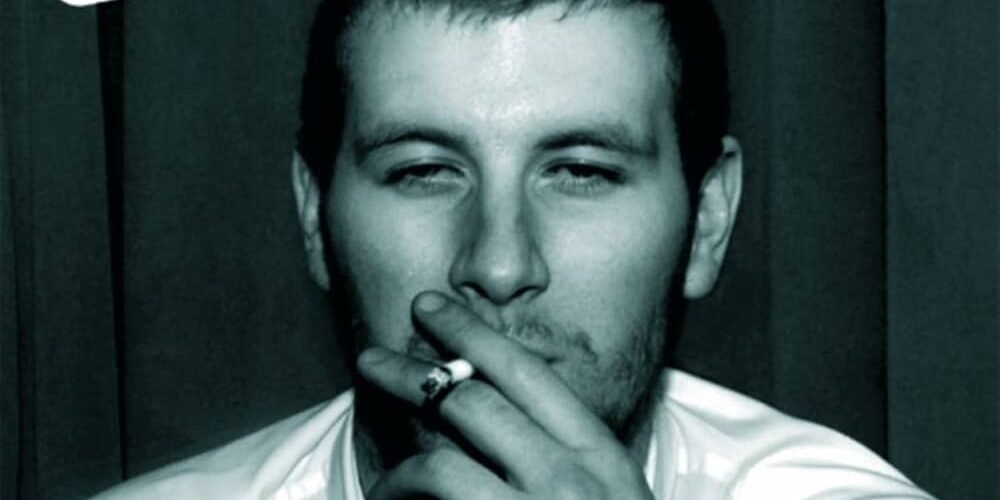
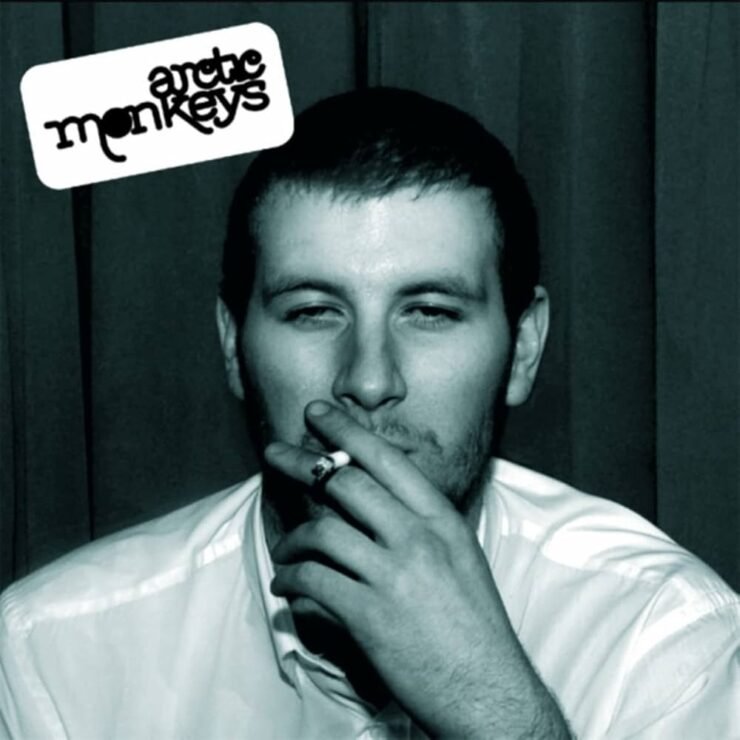
It’s incredibly hard to believe it has been 20 years since the Arctic Monkeys exploded onto the music scene with their hard-hitting debut album, Whatever People Say I Am, That’s What I’m Not. Probably the finest export Sheffield has given to the world since stainless steel, the album is still fresh today.
Sheffield’s Finest
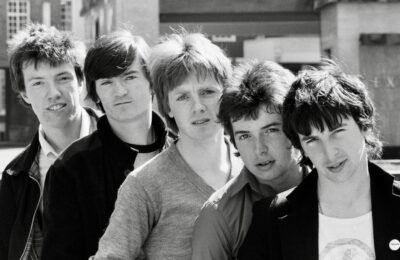
Formed in 2002, The Arctic Monkeys were one of the first to really embrace the digital era. The band consist of lead singer, Alex Turner, who is undoubtedly an attention-shy individual. Guitars are provided by Jamie Cook and Nick O’Malley; the latter of whom replaced original bassist Andy Nicholson. The band’s drummer, Matt Helders, is a personal favourite of mine. Helder’s intense pace and fluidity on the drums is something every drummer should aspire to emulate.
The band are a staple of the British indie scene, following the release of several critically-acclaimed albums which have gained multi-platinum certifications. Huge hits and energetic performances gave the band a massive following, influencing countless artists to this day. A change in dynamic came with the band’s fifth studio album, AM, released in 2013. The band substituted their high energy approach to a more poetic, clean sound. While this album garnered a large number of new fans to the band, many (like myself) were less than impressed.
In recent years, Arctic Monkeys have continued to divide listeners. While many find the band’s new sound to be more palatable than their early work, many others find it intolerable. Personally, I detest Alex Turner’s late-Bowie impression on the more recent records, but that’s just taste. Despite this, there is absolutely no denying the band’s influence on the global music scene, all of which started with Whatever People Say I Am, That’s What I’m Not.
You’re Dynamite
The album explodes open with hectic drums and heavy guitars, ripping through the soundscape of “The View From The Afternoon“. Helders’ fills are ludicrous and the snare absolutely cracking. Turner comes in, Sheffield accent and all, setting the scene. It’s early in the night and he avows with the refrain “Anticipation has a habit to set you up”. The guitars strum almost in conversation throughout the verses and the chanting in the post-chorus only adds to that fullness. There’s an instrumental break right before the band go full gung-ho, quickly showing they’re here with a purpose.
Following this is one of the band’s biggest selling hits in “I Bet You Look Good on the Dancefloor“. Strong guitars and drums tear through, with Turner’s vocals sitting muffled behind the instrumentals. Almost punk in its delivery, the song explores Turner creating a scenario in his head about some girl in a club. The song is definitely reminiscent of something by Buzzcocks in its heavy instrumental and raw performance. Timeless for a reason, it never gets old and always gets the room pumping.
Continuing with the nightlife-themed anthems comes “Fake Tales of San Francisco“. Another guitar-heavy tune, it derides a wannabe rockstar making absurd claims about their own life. The chanting backing vocals make another wonderful return, which continue to ridicule this character, telling them to “Get off the bandwagon and put down the handbook”. There are so many cool little elements to this track, from the drum fills to the rising bass chords with the instrumental break, it’s a really strong statement from the band so early on.
You Know Nothing
“Get on your dancing shoes / There’s one thing on your mind” as opening lyrics encapsulate the feeling of “Dancing Shoes“ exemplary. As Turner puts it, “It’s about people looking to pull when they go out however much they mask it”. The bass guitar has such a strong performance here, almost serving as the riff. Fast, loud and nonsensical, it captures the energy of the album in perfect fashion.
A cynical take on this album would label it as repetitive guitar riffs to heavy drums, and it’s not wrong. But that’s the reason it works, once again on display in “You Probably Couldn’t See for the Lights but You Were Staring Straight at Me“. A bit of a mouthful, I know, but the explosive energy brought by the band makes up for it. The drums are electric and the guitar plays a riff that should not work, but it does. Short, sweet and packed with energy, it’s like a haymaker from Floyd Mayweather.
The feedback from guitars and general background chatter heard at the beginning of “Still Take You Home“ make the album sound like a live setlist, and that makes it even more enjoyable to think of the album that way. More lyrical themes of general nightlife, it almost makes this a concept album. Ceaseless drums and guitar riffs that naturally induce headbanging, it’s another hard-hitter from the band. The vocal work from Turner and Helders are something to be revered again, even managing to fit in some scat effects in the bridge. Very cool.
Cuddles In The Kitchen
While thematically on the same level, “Riot Van“ takes a complete u-turn in energy. Lighter, clean guitars accompany Turner whose soft, muffled vocals sound like they were recorded through a walkie-talkie. Almost serving as an interlude in the album, it works extremely well. Even Helder’s drums sound cleaner and less hectic as they accompany Turner’s setting of the scene. It’s a welcome break from the madness, but still contains observations from the nightlife around them; “Thrown in the riot van, and all the coppers kicked him in”.
“Red Light Indicates Doors Are Secured“ sparks a return to the action, albeit less frantic. The bass guitar loops a really smooth riff, with the guitar chattering in the background. Another lyrical display of the nightlife, it recounts the usual antics; street fights, drunken taxi rides and futile attempts to impress a girl. Despite a cohesive thematic thread that runs through the album, the tracks never feel repetitive. Instead, each song possesses a distinct identity and unique flourishes—a difficult balance to strike, yet one the band executes brilliantly.
“Mardy Bum“ is another fan favourite, and has every reason to be. Sweet guitar tones and drums that transition with the song, it’s so pleasing on the ears. Lyrically one of the most memorable from the album, as Turner quarrels with his moody lover. There’s a certain charm to the lyrics, as Turner tries to win his lover back over, she is unchanged. The song ends on that note, describing the subject as “Argumentative / And you’ve got the face on”, indicating nothing has changed from the beginning of the song. Women, eh?
What A Scummy Man
Those distorted guitars make a return in “Perhaps Vampires Is a Bit Strong But…“ which is sarcastic all the way through. The lyrics refer to those who were condescending to the band and never believed in their success. The chorus exemplifies this, referring to people in their hometown as blood-sucking creatures. Instrumentally it can be a bit all over the place, but the focus is firmly on the lyrics, almost acting as a giant middle finger to their haters.
Another huge hit from the band comes in the form of a prostitution-themed song, “When The Sun Goes Down“. The lone guitar accompanies Turner for much of the intro, before launching into a full-blown punk rock anthem. The transitions work fantastically, and the drums and guitars are absolutely sublime throughout. More sarcastic lyricism exists with Turner delightfully describing the clientele as scumbags. The song comes full circle in the outro, with the disappearance of all instruments bar the guitar and Turner echoing the intro lyrics once again.
Back to the nightlife escapades, Turner explores being turned away from a club in “From the Ritz to the Rubble“. Lyrically he depicts being refused entry by aggressive bouncers and ends up hooking up regardless. Splashy drums and an incredibly distinct bass line provide the backing, with the guitar ripping through in terrific fashion. Instrumental breaks are a big feature of this album, and the one here is one of the standouts by a mile.
The album ends with “A Certain Romance“, almost sounding out of place. The drums are massive here, as are the guitars. Another song full of instrumental transitions, it wraps up the album on such a high note. Turner provides a commentary of their hometown, full of characters less than desirable. Ending with an instrumental outro, it provides such an emotional effect that far surpasses anything portrayed in the lyrics.
Final Thoughts
One thing these album anniversaries will never cease to do is make me feel old. I can’t believe it’s been 20 years since the release of this album. I remember the likes of “When The Sun Goes Down“ and “I Bet You Look Good on the Dancefloor“ as new releases on MTV2. It’s often that these albums will become part of your early listening experience and something you inevitably grow out of, but this one never grows old on me.
The instrumental performances throughout the album are absolutely sublime. From guitar riffs that are so distinct, to smooth, groovy bass lines and the awe-inspiring drums, Whatever People Say I Am, That’s What I’m Not is a modern classic in its own respect. As stated, it makes the album sound like a live performance, reminiscent of The Old Grey Whistle Test. While Turner’s lyricism is not something scholars will study for years to come, its directness suits the band’s working class roots.
While I am disappointed at the band’s later stylistic choices, it doesn’t diminish my appreciation for their debut in the slightest. Along with contemporaries like The Strokes and The Libertines, Arctic Monkeys arrived with a no-nonsense, hard-hitting sound that fueled a crucial garage rock revival. While evolution is inevitable for artists, Whatever People Say I Am, That’s What I’m Not remains a thrilling, visceral snapshot of British youth culture and a benchmark of twenty-first-century rock music. It is a masterpiece that—twenty years on—still sounds brand new.