Matt Lucey
On December 3rd, Rubber Soul turned 60 years old, and it’s hard to overstate just how important that is — not just for The Beatles, but for popular music as a whole. Six decades later, the album still feels fresh, thoughtful, and revolutionary. It doesn’t shout its importance the way some later Beatles records do. Instead, it earns its reputation by being confident, cohesive, and emotionally mature, as well as super experimental for its time. Looking back now, Rubber Soul feels like the moment The Beatles stopped being “the biggest band in the world” and became something more lasting: true artists with a long-term vision.
The Beginning of The Beatles
The Beatles’ story begins humbly enough. John Lennon formed The Quarrymen in 1956, a skiffle group that played small gigs with big ambition. Paul McCartney joined in 1957, and almost immediately, something clicked. Their friendship, rivalry, and shared musical obsession would become the backbone of the band.
George Harrison followed in 1958, still a teenager but already a remarkably capable guitarist. The final piece of the puzzle came in 1962, when Ringo Starr joined on drums. With that lineup in place, The Beatles were ready — and when they arrived, they came out guns blazing. Their debut album Please Please Me captured the raw excitement of a band hungry to prove themselves. It wasn’t just well received; it was electric.
The First Years: 1962–1965
The early years were relentless. Albums like Please Please Me, A Hard Day’s Night, and Beatles for Sale came out in rapid succession, each building on the last. The band wrote hit after hit, toured constantly, and somehow kept raising the bar.
Then came 1964 and the Ed Sullivan Show. Overnight, The Beatles conquered America. Beatlemania exploded, and the British Invasion followed. Their faces were everywhere, their songs unavoidable. Yet even during this chaos, they kept evolving.
Help! arrived in 1965 and marked another step forward. Songs like “Ticket to Ride” and “Help!” showed a band becoming more introspective. And then there was “Yesterday.” Just Paul, a guitar, and a string quartet. It was a glimpse into something deeper — a taste of the musical genius that was still unfolding.
Later that same year, The Beatles released Rubber Soul.
The State of the Band in 1965
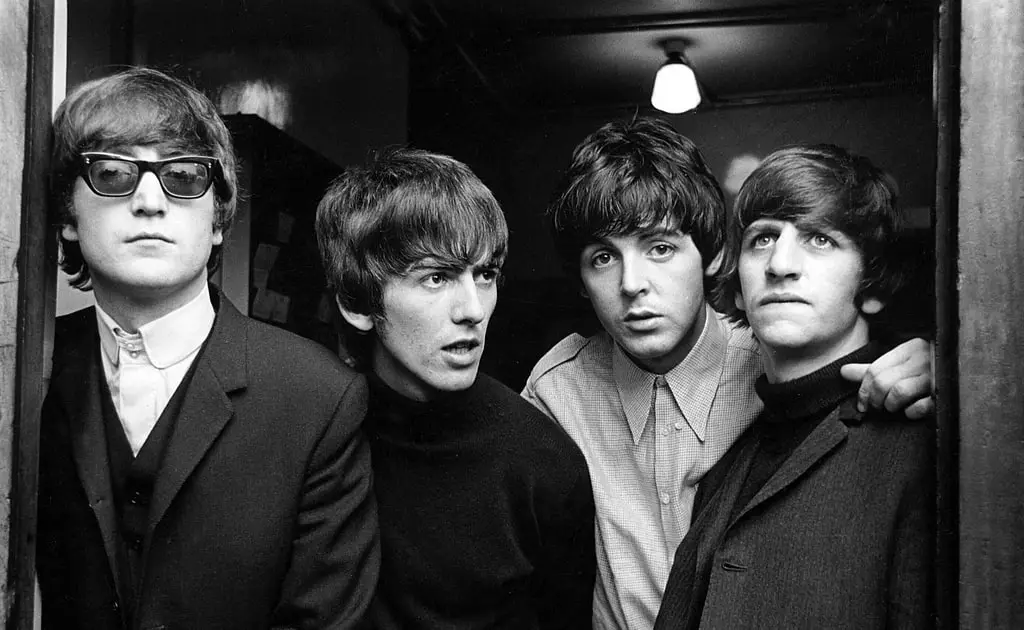
By the time Rubber Soul was being written, The Beatles were changing. They were looking beyond the teenage love songs that had made them famous, but without rejecting who they were. This wasn’t rebellion — it was growth.
They were becoming more aware of the world around them, both musically and culturally. Even the album’s title reflected that awareness. “Rubber Soul” was partly a joke, riffing on the idea of “plastic soul” — white musicians imitating Black artists. It was self-aware, a little cheeky, and very much of its time.
Songwriting-wise, Lennon and McCartney were hitting their stride. George Harrison was beginning to experiment and assert his own voice. Touring, however, was wearing them down. The noise, the screaming, the repetition — it was exhausting. While they still loved performing, the studio was becoming their true home.
And globally? Their appeal had never been bigger.
Inspiration Behind the Members
John and Paul were reaching something close to peak form. Their songwriting was expanding rapidly, embracing folk, introspection, and more complex emotional territory. Melodies became less predictable. Lyrics became more ambiguous. They were no longer just writing for charts — they were writing because they had something to say.
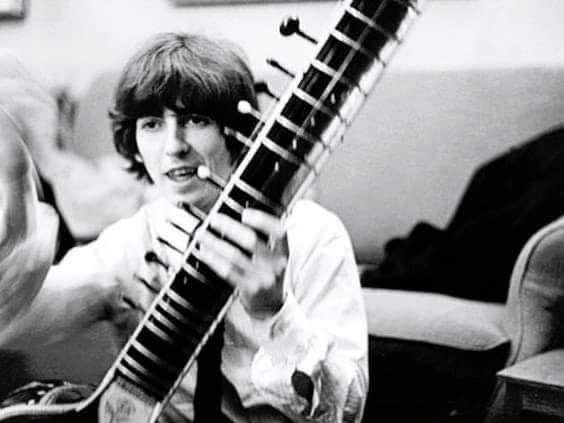
George Harrison was finding his own identity. His fascination with Indian music began to shape his approach, most famously through the sitar on “Norwegian Wood.” His time spent exploring these sounds — and later, India itself — would eventually give him a much stronger voice within the band.
Ringo Starr, as always, was the glue. He didn’t dominate songs, but he elevated them. His drumming and percussion choices gave Rubber Soul its steady pulse. He’s often described as the beating heart of The Beatles, and this album is a perfect example of why.
Production, Label, and the People Behind the Scenes
Rubber Soul was produced by George Martin — not the Game of Thrones author, but the legendary producer who understood The Beatles better than anyone. Martin focused on the artistic side of recording, encouraging experimentation while keeping things grounded. It was exactly what the band needed at this stage.
Sound engineer Norman Smith played a huge role too. His work helped introduce new textures and sonic depth, making the album feel cohesive and intentional. This was crucial in allowing Rubber Soul to feel like a statement, not just a series of strong but disconnected tracks.
In the UK, the album was released on Parlophone Records. In the US, Capitol Records put out a trimmed 10-track version, altering the album’s feel somewhat. Importantly, there was no obligation to tour or heavily promote the record — something that gave the band more freedom to focus on the music itself.

The Recording Journey
Recording took place between October 12th and November 15th, 1965 — a surprisingly short window considering the album’s depth. The band wanted to focus on recording, even as tensions around live performance grew. While they were becoming divided as a live act, in the studio they absolutely excelled — a pattern that would continue in the years to come.
Rubber Soul was only the second Beatles album made up entirely of original material. Lennon and McCartney later admitted they struggled with the writing process — but the fruit of that struggle was worth every moment. Around this time, they also recorded “Day Tripper” and “We Can Work It Out,” showing just how fertile this creative period was.
The Music Itself
What really sets Rubber Soul apart is how well it works as an album. This isn’t just a collection of songs — it’s a complete experience. Folk rock influences run throughout, paired with introspective writing that feels remarkably mature.
Tracks like “In My Life,” “Nowhere Man,” and “Think for Yourself” explore identity, memory, and independence. Lines like “Do what you want to do” and “Think for yourself ‘cause I won’t be there with you” signal a band encouraging self-reflection rather than fantasy.
“Norwegian Wood (This Bird Has Flown)”
“Norwegian Wood” opens gently, with soft acoustic guitar strumming before the sitar joins in — a completely new sound for most listeners at the time. George Harrison’s creativity shines here, and the melody and chord structure feel unlike anything The Beatles had done before.
Lyrically, it tells a story. One interpretation suggests John Lennon was writing about an affair and the awkward tension of unfulfilled expectations. Whether she wouldn’t sleep with him or he ultimately refused her is deliberately left unclear — and that ambiguity is part of the song’s brilliance.
For me, it’s the standout track on the album. It feels new and experimental without being loud or showy. No flashy solos, no excess — just beauty, restraint, and confidence.
“In My Life”
“In My Life” is the best song on the album, and arguably one of the greatest songs ever written. From the opening line — “In my life, I’ve loved them all” — it’s clear this is something special. The guitar mirrors the vocal melody perfectly, reinforcing the emotional weight of the lyrics. “These memories lose their meaning when I think of you” is a line that still hits just as hard today.
The short piano piece in the middle adds a classical touch, elevating the song even further. Musically, it’s stunning. Harrison’s repeating guitar lick melts into the background, drawing the listener deeper rather than demanding attention. At its core, the song suggests that while we carry our past with us, the love we feel in the present always feels like the strongest we’ve ever known — eclipsing what came before, even as those memories remain.
“Nowhere Man”
“Nowhere Man” is deceptively simple. Soft music, a steady beat, and layered backing vocals create space for the lyrics to breathe. The song invites you to listen closely.It’s about feeling lost. About being emotionally disconnected. About being an “empty person.” And then comes the line: “Isn’t he a bit like you and me?” Suddenly, it’s universal. We’ve all felt like a nowhere person at some point. The vocal melody is engaging and unfamiliar, pushing The Beatles into new territory. It’s introspective without being depressing — thoughtful, human, and deeply relatable.
Reception and Legacy
Upon release, Rubber Soul was met with immediate acclaim in both the UK and the US. It topped sales charts for weeks and expanded an already massive fanbase. More importantly, critics and listeners alike began to see The Beatles as serious musicians, not just pop idols. Although Revolver followed just a year later, Rubber Soul stands firmly on its own. It’s popular, robust, and endlessly replayable — a cornerstone of their catalog.
What Came Next
The album paved the way for Revolver, Sgt. Pepper’s Lonely Hearts Club Band, and everything that followed. It marked the beginning of The Beatles’ second era — stretching from Revolver through Let It Be.Songs like “In My Life” opened the door for deeper introspection, influencing not only The Beatles’ future work but popular music as a whole.

Conclusion: A Turning Point
Looking back, it’s easy to see why Rubber Soul is considered a turning point. At the time, it may not have felt revolutionary — but history has been kind to it.
The Beatles only got better with time, and this album captures the moment they truly found their voice. It’s a shift in style, creativity, confidence, and emotional depth. Like many of their greatest works, Rubber Soul has gone down in music history not because it tried to change everything — but because it did so naturally, honestly, and beautifully.
Sixty years on, it still feels alive.