

 Ronan O'Brien
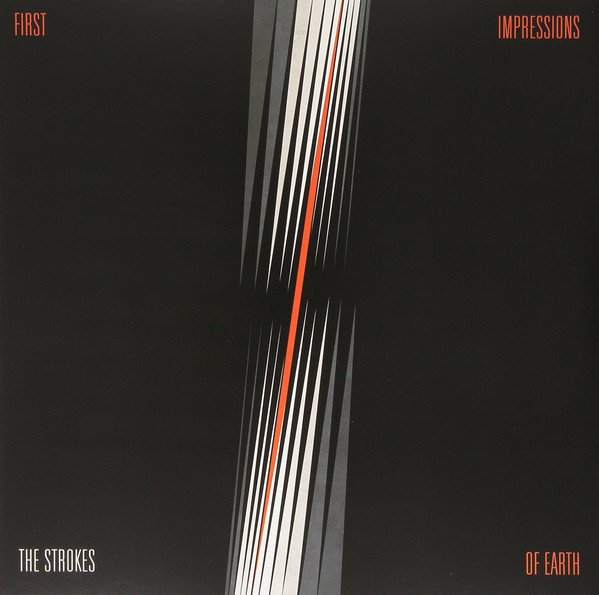
Give or take a month, it’s been twenty years since The Strokes released their third studio album, First Impressions of Earth. While the album was slightly criticised upon release as their weakest, I disagree. Explore the ingenuity of this diverse album from me; a biased Strokes fan.
The Nepo Babies
Let’s address the elephant in the room. The Strokes are a band that have always been destined for success. Not only because of the fantastic music they create, but their formation and subsequent careers were only made possible through their privileged upbringings. As a disclaimer, I just want to add that this is not a criticism, it’s just the truth.
Enigmatic singer-songwriter Julian Casablancas formed the band with guitarist Nick Valensi and drummer Fab Moretti as teenagers. Friends from attending the same private school, Julian also enlisted bassist Nikolai Fraiture to the group. Also reconnecting with an old friend from a Swiss boarding school, Albert Hammond Jr. was added to the ranks. The group soon became a staple in the Manhattan rock scene, playing countless shows before sending demos of their first EP to record labels.
Following huge competition between labels, The Strokes penned a five album deal with RCA Records. Their debut album, Is This It was released in 2001 to widespread acclaim, sparking a worldwide garage-rock revival. The follow-up, Room on Fire came in 2003 and with it, more critical and commercial success. The group returned to the studio in 2005 for their next release, under the expertise of David Kahne and Gordon Raphael. The latter stepped aside during recording due to unsuccessful collaboration between the two producers, leaving Kahne to produce the majority of the record.
Can’t See The Sunshine
Opening with a guitar riff designed to be chanted in festival fields, “You Only Live Once“ is one of the most iconic songs of The Strokes’ entire catalogue. The album opens with a statement, one of guitars. Valensi shreds through the soundscape with that familiar, illustrious tone and Moretti ticking through the changes stylishly. Casablancas cuts through with the renowned chorus, begging “Sit me down / shut me up”. A deeper look reveals the cynical view on religion: “Twenty ways to see the world / And twenty ways to start a fight”.
The album then makes an immediate u-turn, ditching the clean, polished guitar with raw, heavy tones and a bassline sure to burst speakers. Full of instrumental dissonance and completely different from anything the band had produced in the past, it’s an early indicator that this album is going to be much different than its predecessors. The guitars sound off-key at times, and that just helps with the uneasiness of the song as a whole. Originally titled “Dracula’s lunch”, the lyrics are a sarcastic approach to vampires. Especially the refrain, “You’re so cold” and the new title “Juicebox“, but then again, this is open to interpretation. It’s The Strokes after all.
Continuing on the punk-heavy grooves comes “Heart in a Cage“. A ridiculously heavy guitar riff cuts through, with Moretti matching the pace and many transitions on drums. Casablancas’ vocals are oddly mellow for this style of track, wearily detailing the tragedy of being disconnected from reality. The depressing tone is rare from The Strokes but works ever so well here.

How Long Must I Wait?
With a launching drum fill and straight-edge riffs, it’s back to business as usual by The Strokes. “Razorblade“ has such a pretty guitar tone throughout, with the lead guitar almost singing alongside Casablancas in the verses. Painting a picture of a complex and tumultuous relationship, the lyrics act as a passive-aggressive argument between a couple. The chorus especially displays this wonderfully, “Oh no, my feelings are more important than yours / Oh, drop dead, I don’t care, I won’t worry”. Short and not sweet, it’s such a characteristic Strokes song.
The straight-edge drums and bass of “On the Other Side“ welcome the darker tones of the album back. Guitars existing in pockets, the song feels sparse, and that’s okay. Casablancas tackles his loathsome attitude towards the outside world, opening with “I’m tired of everyone I know / Of everyone I see / On the street and on TV”. The attitude does alleviate towards the end, noting “I will not go to sleep, I will train my eyes to see / That my mind is as blind as a branch on a tree” before a false break, launching into the final chorus. It’s simple and it’s cool.
Launching ferociously into another aggressive track on the record, “Vision of Division“, it’s another reminder that this album is not the typical garage-rock product seen by the band previously. Feeling disoriented in his relationship, the narrator is dissatisfied with their partner’s treatment of them: “Why do I accept the things you say?”. Casablancas strains vocally through this song, displaying exasperation throughout. The real star, however, are the relentless guitars and drums throughout the instrumental breaks. It’s another heavy display by The Strokes, and I am absolutely here for it.
Don’t Be A Coconut
This album is anything but predictable. Throwing another spanner in the works, the band do another 180, following the preceding heaviness with the dulcet “Ask Me Anything“. A hypnotic synth melody loops throughout the song, unaccompanied by the usual guitar and drums utilised by the band. Casablancas is calm despite the inner turmoil. Wearily navigating through the melody, his repetition of “I’ve got nothing to say” is a confession. The singer acknowledges that their life feels pointless. However, this could also be a sly remark to the listener that the song isn’t really about anything. Casablancas is cryptic and often media-shy, so it works either way.
The album welcomes back guitars in towering fashion on “Electrictyscape“. Both guitars bounce off each other so harmoniously here and are allowed to truly shine. Casablancas’ vocals sound haunting, describing the city the band rules and the complicated relationships formed under the city lights. The ear worm of “You belong on the radio” is followed by transcending guitars. The guitars are so powerful it renders the chorus unnecessary in absolute brilliance.
Clean guitar tone is restored on “Killing Lies“. A heartfelt yet repetitive song, its a deeper cut but one of my favourites here. Casablancas’ tiredly slurs through the song in his unique fashion. While the guitars are bright and the drums evolving with slight intensity, the vocals are exhausted. The dichotomy created is wonderful and works in a way it shouldn’t.
You’re No Fun
An incredibly repetitive song continues in “Fear of Sleep“, it has every reason to be. The guitars are hypnotic and full of reverb, and the drums and bass rise with the vocals. Lyrically, it appears to address Casablancas’ struggles with alcoholism more clearly than other tracks on this record. Though open to interpretation, of course, this feels like the first track where his issues are being addressed transparently. The repetitive hooks certainly allude to what many alcoholics experience; sleep anxiety.
“15 Minutes“ opens with Casablancas’ drawl and some meek guitars, before getting an injection of pace halfway through. Lyrically it details Casablancas’ struggle with fame. As a notably reserved character, he prefers to stray from attention. Most notable in the lines “Everybody at the party / Shouldn’t worry if I’m there”, he even refutes the idea of his own fame. The tempo picks up even more towards the outro, making the song a little journey in itself.
Floating back into a dystopian soundscape, “Ize of the World“, it’s another take on modern society. With more shredding guitars and cymbal-heavy drums, the sound is big. Lyrically fraught with philosophical quotes and perceptions of the status quo in society, it reminds me of The Soul of the Marionette. Focusing on the “ize” words (“A desk to organize / A product to advertise”), Casablancas critiques modern society of turning people in law-abiding robots instead of confronting larger problems.
Forget The Past
The jangly guitars return in the ever-sweet “Evening Sun“. It’s really refreshing to hear a band experiment through an album while still retaining their core sound in parts, this being the latter. The song is introspective and Casablancas has returned with his distinct vocals on full display. As explored throughout the album, Casablancas again criticises others’ perceptions as they don’t really matter. Opening with “They love you or they hate you, but they will never let you be”, the singer turns unwanted attention into advice. People are going to judge you no matter what, so who cares? The final verse even closes with one of the sweetest lyrics across the album. “Oh, you’re the prettiest, smartest captain of the team / I love you more than being seventeen”.
The album closes with “Red Light“; a song inspired by Mozart’s Requiem. The final instalment calls for the guitars to return with that bright, sweet tone unique to the band. Admittedly Casablancas wrote the song stoned, but still manages to squeeze in critiques on society in the lyrics; “An entire generation that has nothing to say”. The outro even shifts the mood entirely with “Get yourself a lawyer and a gun / Hate your friend’s new friends like everyone”. The angry atmosphere that dominated a large portion of the album has now been replaced with an ironic defeatism and ends with the singer disillusioned at the world.
Final Thoughts
Following two hugely successful albums that share a similar sound, the third instalment from The Strokes could have gone one of two ways. They could have retained their original sound and essentially created another album similar to the rest, or they could have tried something a little left-field. They tried the latter with First Impressions of Earth and I am so happy they did. Not only did it work incredibly well, but the band were able to create an entire new soundscape without losing what made them successful to begin with.
First Impressions of Earth was a turning point for the band. Without it, all subsequent releases would have been much different. And with that, The Strokes may have faded into obscurity. The experimental sounds utilised by the band here certainly inspired Julian’s other band, The Voidz. Not only that, many of the songs from this album have become regular staples for the band’s live set. While the reviews were mixed upon release, many tracks are fan favourites, which speaks much louder volumes than any music critic’s take.
As stated, I am incredibly biased due to The Strokes being one of my all-time favourite artists. That being said, an objective take on this album highlights far more positives than negatives. The enduring legacy the band and this album has created needs no argument. Believe me, play the riff to “You Only Live Once“ to a crowd of people and that’s all the evidence you need.