 François Durand
September 1979. The Clash had just come out of two gruelling and high-risk months in the studio, recording what was meant to be their third album: London Calling. To test the new material and confirm the Brixton gang’s growing success across the Atlantic, the band embarked on the “Take the Fifth Tour,” an eight-date run across the United States. This would lead to one of the most epic album cover in Rock history.
The Night That Sparked an Icon
On 21 September 1979, the group played to a packed and enthusiastic crowd at the New York Palladium. One would find the likes of Bruce Springsteen, Robert De Niro and Andy Warhol.roaming backstage. Ready for battle, The Clash rushed onto the stage, firing off punk grenades and new rock compositions without pause and — as often — with a certain roughness. The audience’s fervour never wavered. Yet, despite a performance praised the following day in the pages of Time Magazine, the band themselves were not satisfied.
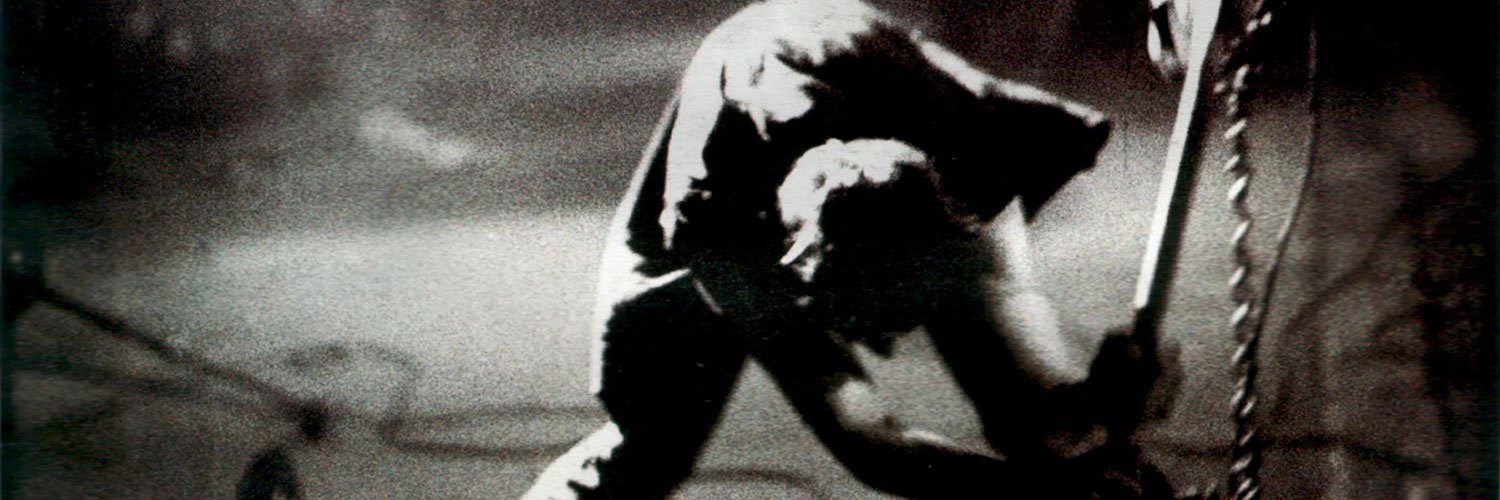
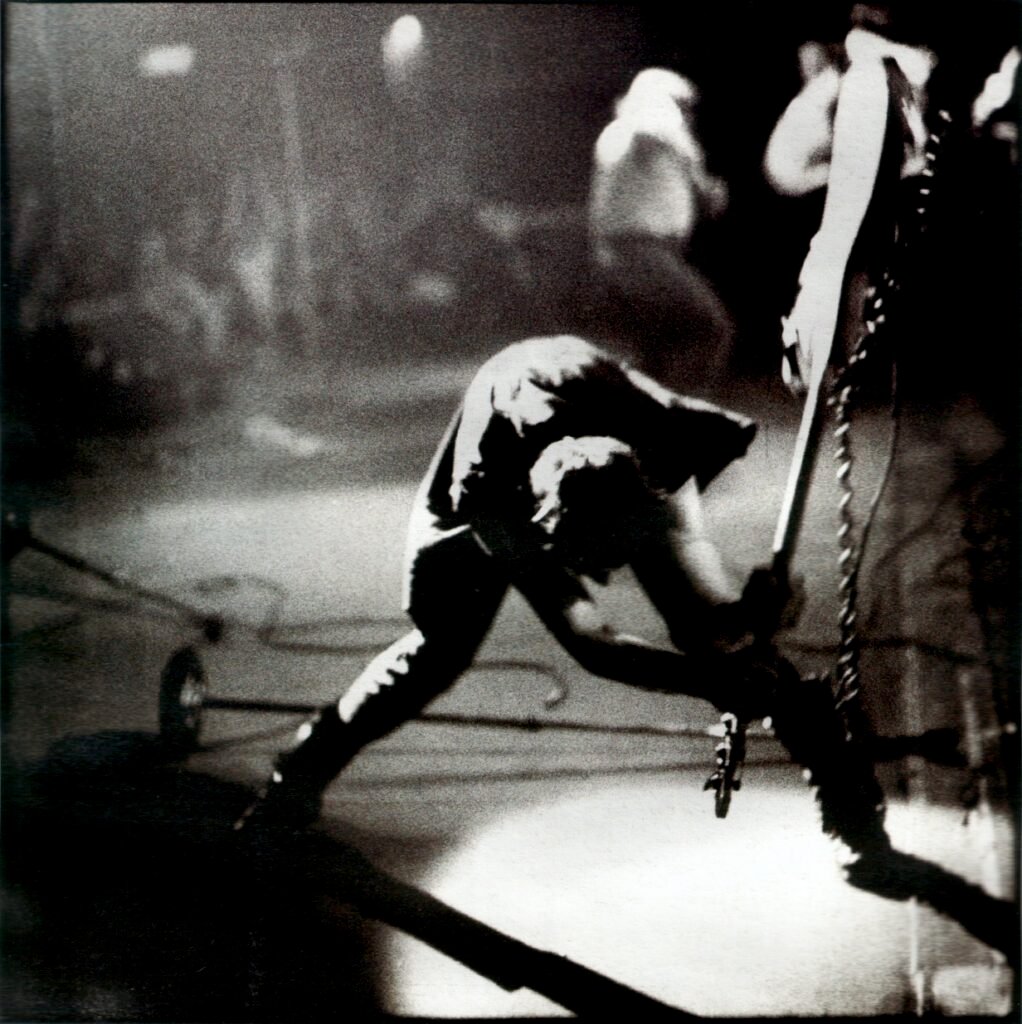
One crucial detail: during the concert, venue security insisted on people remaining seated. This seriously hindered the energy of the crowd and affected the atmosphere of the evening. Paul Simonon, erratic but scrupulous bassist and usually mild-mannered, grew increasingly irritated by the subdued mood in the room. Suddenly, he launched into an acrobatic act with his instrument. Nearby, photographer Pennie Smith, who had followed the band since their early days and had a serious crush on the bassist, had been sent to capture images for the upcoming album. Confronted with her hero’s antics, Pennie panicked, stepped back, and instinctively pressed the shutter.
A picture that would make Rock ‘n’ Roll History
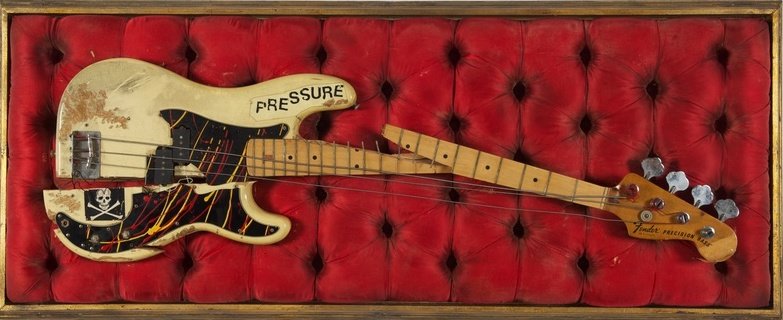
Was Simonon still marked by the recent studio sessions with the notoriously unhinged producer Guy Stevens, known to throw chairs around among other antics? Or was he inspired by his stage idol Pete Townshend? No one knows for sure. But suddenly, Paul Simonon proceeded to smash his faithful Fender. The band’s manager, Johnny Green, later wrote in his memoir A Riot Of Our Own: Night & Day With The Clash:
“I looked back onstage to see Simonon clutch his bass neck and start smashing it on the floor like he was chopping wood.”
Paul would later admit that his only regret was not having lifted his head higher while destroying his favourite bass. The very same that had seen him grow as a musician.
From that episode remains Pennie Smith’s photograph. Initially, Smith hesitated for a long time before entrusting this blurred and imperfectly framed shot to posterity. But Joe Strummer was convinced: “That one is the photo”. She eventually gave in, and her perfectly imperfect shot was chosen to illustrate the album released on 14 December 1979. The picture itself was later named the “Greatest Rock ’n’ Roll Photograph of All Time” in 2002. And the cover was ranked 8th in Rolling Stone’s list of the 100 Best Album Covers.
From Punk Manifesto to American Myth
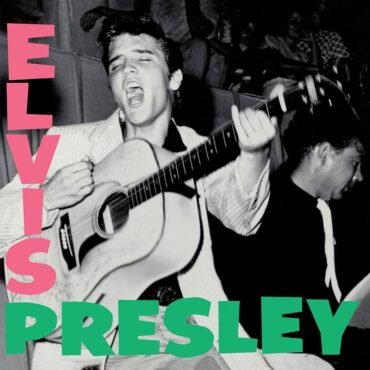
Two years earlier, following punk rhetoric, The Clash had chanted “No Elvis, Beatles and Rolling Stones in 1977.” Yet their music now reflected their tastes and influences: England, of course, Jamaica, but above all America. This influence is directly echoed in the cover, inspired by Elvis Presley’s debut album, released in 1956 and considered by many to be the first rock album in history. A curious analogy, given that The Clash remain, for many, the last great rock band. And also that London Calling was originally intended to be their final record, under the working title The Last Testament. But let us not venture too far into the tempting “rock is dead” theories — quite tempting, I must admit — especially on the eve of the musical obscurantism of the 1980s.
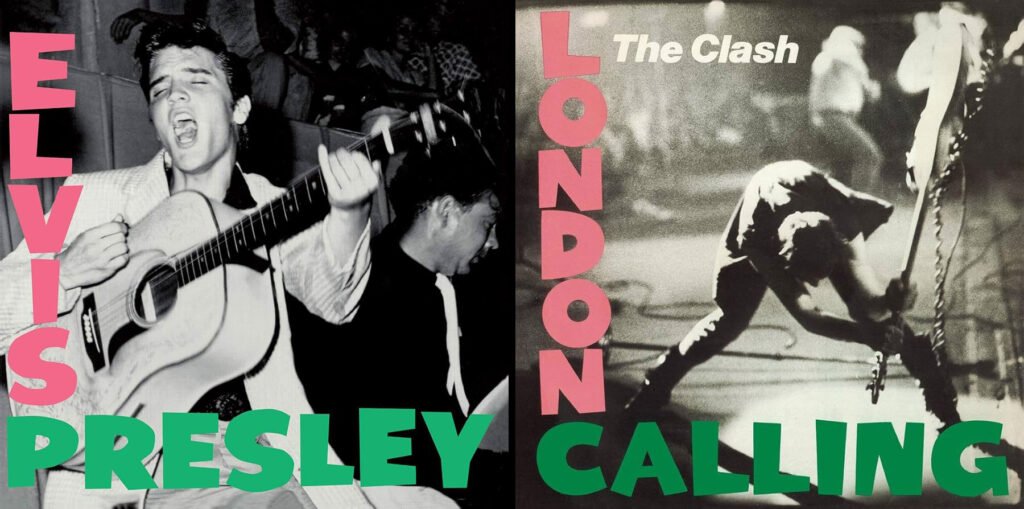
A Renaissance in Ruins
On his 1956 debut for RCA Victor, the King becomes one with his guitar, held proudly against his chest, unleashing a new way of playing and singing. Twenty-odd years later, on London Calling, the instrument is no longer united with its master: it is abused, violently rejected.
More than an allegory of the end of the world — of rock — this cover symbolises a certain Renaissance of the genre initiated by punk. A desire to ignore everything that came before, to scorn conventions and norms, to deconstruct song structures, and to rediscover the spontaneity of the early days. To destroy everything in order to build something new. A violence that is creative, for it was through chaos that The Clash became great. Initially poor musicians, it was their determination and relentless drive that allowed them to stand alongside their predecessors.
By exploring rock without renouncing punk, The Clash delivered a great record — for many, the record. The cover that accompanies it has become an eternal icon of rock’n’roll, which itself remains anything but mortal.