Akshita Siddhapura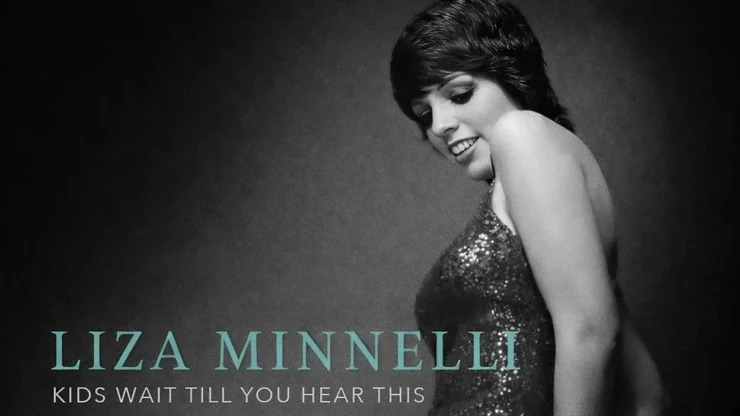
At an age when most artists are long finished with reinvention, Liza Minnelli has done something quietly radical. At 79, she has released her first new music in 13 years, a dance track with the mischievous title Kids, Wait Til You Hear This. It is bold, playful, and unapologetically modern. Even more striking is how it was made. Artificial intelligence tools were used in the production process, while Minnelli herself recorded every vocal by hand, breath, and heartbeat.
This is not a hologram, not a remix of old tapes, and not a digital resurrection. It is a living icon choosing to step into the present on her own terms.
What the Song Sounds Like
“Kids, Wait Til You Hear This”, also the title of her upcoming memoir, leans into classic dance pop energy with a wink. The beat is buoyant, the structure clean, and the vocal unmistakably Minnelli. There is a theatrical sparkle in her delivery that no algorithm could convincingly fake. That is part of the point. The track does not attempt to disguise her age or smooth away the texture in her voice. Instead, it celebrates it.
The result feels like a seasoned performer walking into a club, owning the room, and daring the kids to keep up. It is fun because it knows exactly what it is. A comeback that is not chasing relevance but choosing it.

AI as a Tool, Not the Star
The use of AI in the track’s production has naturally sparked conversation. In this case, AI assisted with arrangement and sonic shaping, helping create a contemporary soundscape that still leaves room for personality. Minnelli did not hand over her voice or her identity. She sang every line herself.
That distinction matters. At a time when AI-generated vocals and deepfake performances are raising ethical alarms, this release offers a different model. AI here functions more like an instrument or a collaborator in the studio. It supports the artist rather than replacing them.
Part of a Bigger Experiment
The song appears as part of a broader AI-assisted music compilation that brings together voices from across generations. Among the contributors is Art Garfunkel, another legendary name exploring new creative territory late in life. The compilation positions AI not as a genre but as a set of tools that artists can choose to engage with in deeply personal ways.
This framing shifts the conversation. Instead of asking whether AI is good or bad for music, it asks how artists can use it responsibly, creatively, and with intention.
Why This Moment Feels Important
Minnelli’s return lands at a cultural crossroads. The music industry is wrestling with questions of authorship, originality, and technological power. Younger artists often feel pressured to keep up with tools that change faster than they can master them. Older artists are sometimes written out of the future entirely.
This release gently disrupts both narratives. It suggests that curiosity does not have an expiration date and that new technology does not automatically erase human expression. In fact, when used thoughtfully, it can amplify it.