Emma Lawlor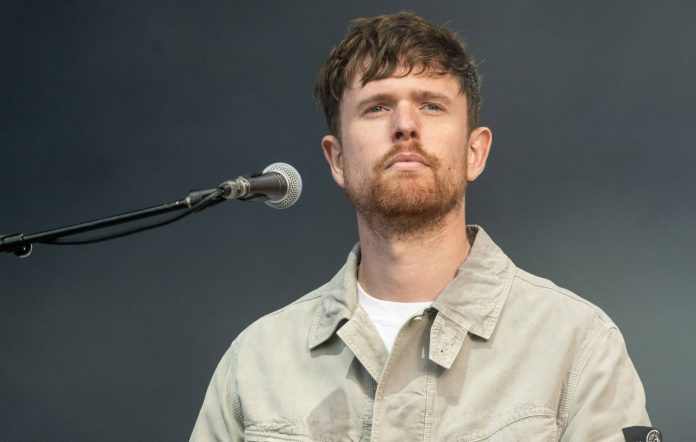
A blunt statement from one of music’s most respected producers
James Blake has reignited debate around producer compensation after revealing that most of the production work he has done for other artists has never been paid.
In a candid message shared online, the British producer and songwriter claimed that “95 per cent” of the production he has contributed throughout his career came without direct payment. Blake used the statement to criticise a wider culture in the music industry that often expects producers and collaborators to work for free.
“About 95 per cent of the production work I’ve done has been unpaid,” Blake wrote, pointing to what he sees as a systemic issue rather than a personal grievance.
Collaboration culture and unpaid sessions
Blake’s comments highlight a long-standing reality in music production: many collaborations start as informal studio sessions without guaranteed payment.
Producers frequently spend hours or even days developing ideas with artists before any formal agreement exists. If the music never sees release, the producers often walk away without compensation for their time.
Instead of upfront fees, producers often rely on potential royalties, future collaborations, or the possibility that a song might become a commercial success. For emerging producers in particular, the pressure to accept unpaid sessions can be intense, as credits and connections often determine future opportunities.
A voice with industry influence
Blake’s criticism carries particular weight given his influence across modern pop and hip-hop. Alongside his acclaimed solo career, he has collaborated with major artists including Kendrick Lamar, Frank Ocean and Beyoncé.
Because of that reputation, Blake’s comments have resonated with many producers who say the issue remains widespread behind the scenes.
Ongoing questions about music industry economics
The debate arrives during a period of growing scrutiny around how money flows through the music industry. Many artists and producers have raised concerns about streaming revenue, arguing that payments from platforms remain too small to support sustainable careers.
Blake has previously criticised the economics of streaming services such as Spotify, adding his voice to a broader discussion about how creative work is valued in the digital era.
By putting a figure on his own experience, Blake has drawn fresh attention to the hidden labour that shapes many major releases. Whether his comments spark meaningful change remains uncertain, but they have once again pushed the question of fair pay for producers into the spotlight.